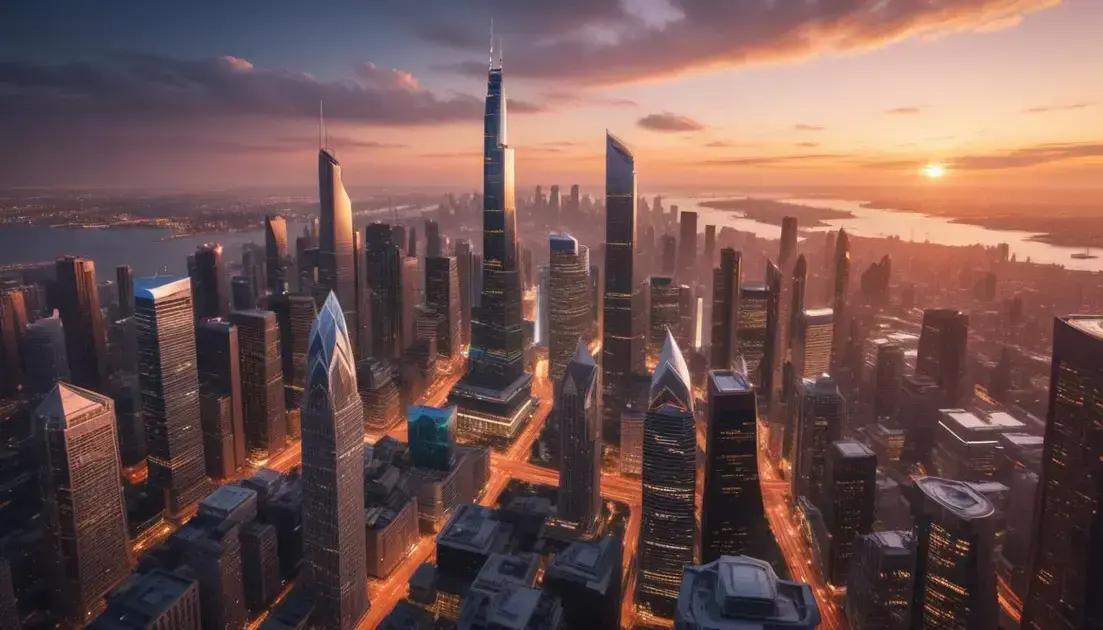
America’s invention of the skyscraper
The future of skyscrapers promises exciting innovations, emphasizing sustainability and smart technology. These tall structures will blend residential and commercial spaces, enhancing community life. Architects are exploring unique designs that incorporate green features like vertical gardens, improving urban environments while addressing environmental concerns. Modular construction is gaining traction, allowing for efficient building processes. As cities evolve, skyscrapers will symbolize progress and creativity, shaping modern living experiences in urban areas.
Skyscraper design is a fascinating topic that reshaped not only our cities but also how we think about architecture. But what truly led to their creation?
The emergence of the skyscraper
The emergence of skyscrapers marked a major change in city landscapes. These tall buildings started to dominate city skylines in the late 19th century.
Historical Context
Before skyscrapers, most buildings were just a few stories tall. But with inventions like the elevator, taller buildings became possible. The first skyscrapers changed how people viewed city living.
The Role of Steel and Technology
Steel played a huge role in this revolution. It allowed architects to design strong, tall structures. The development of steel frames was crucial in making skyscrapers stable.
Famous Early Skyscrapers
The Home Insurance Building in Chicago, finished in 1885, is often cited as the first skyscraper. Its design inspired many others. Then came the Woolworth Building, which amazed people with its height and elegance.
Urban Growth and the Skyscraper Boom
As cities grew, the demand for space increased. Skyscrapers offered a solution to crowded streets. They made it possible to build upward instead of outward.
This shift also sparked interest in urban planning. Cities began creating zones to control how and where these buildings could be built.
Modern Implications
Today, skyscrapers symbolize economic strength and progress. They reflect the creativity of architects and the needs of growing populations. Every new skyscraper adds to the unique character of a city.
Key innovations in skyscraper design
Key innovations in skyscraper design have changed how we build tall buildings. These ideas have made skyscrapers possible and successful.
Steel Frames
One major innovation is the use of steel frames. This material supports the weight of tall structures. It allows for a lot of height without losing stability.
Elevators
Another important invention is the elevator. Before elevators, climbing many stairs was a challenge. With elevators, people can quickly move between floors. This made it practical to build taller.
Steel and Glass Facades
The use of glass with steel also transformed skyscrapers. These materials create a modern look and open up views. They let in natural light, making spaces brighter and more inviting.
Wind Resistance
Modern skyscrapers are designed to handle wind. Engineers use special techniques to ensure stability against strong gusts. This design lets buildings reach impressive heights safely.
Energy Efficiency
New designs focus on being more energy-efficient. Features like green roofs and energy-saving materials help reduce waste. This is more sustainable for our planet.
Smart Technology
Today, technology plays a big role in skyscraper design. Smart buildings use sensors to manage energy and enhance security. This can improve the overall experience for people who work and live in them.
Impact on urban landscapes
The impact on urban landscapes caused by skyscrapers is enormous. These tall buildings change how cities look and feel.
Creating Skylines
Skyscrapers define a city’s skyline. They become symbols of growth and progress. People around the world recognize cities by their iconic buildings.
Colorful City Life
With tall structures comes vibrant city life. Businesses, restaurants, and shops thrive in these spaces. Skyscrapers attract people and create bustling environments.
Urban Density
These towering buildings increase urban density. More people can live and work in a small area. This helps reduce the spread of cities outward into natural spaces.
Public Spaces
Many skyscrapers include public spaces. Parks, observation decks, and plazas provide areas for relaxation. These spots often become popular gathering places for locals and tourists.
Environmental Considerations
Skyscrapers can also raise environmental questions. Their construction and maintenance impact the ecosystem. Green building practices help minimize harm to the environment.
Transportation Changes
As cities grow taller, public transportation must adapt. More people mean bus and subway systems need improvements. Skyscrapers can increase the demand for efficient transit solutions.
Future of skyscrapers
The future of skyscrapers looks exciting and full of possibilities. New ideas are shaping how we think about tall buildings.
Sustainable Design
More skyscrapers will focus on sustainability. This means using materials that are kind to the planet. Green roofs and solar panels are becoming common in new designs.
Smart Technology
Technology will change how skyscrapers function. Buildings will use smart systems to manage energy and enhance safety. For example, sensors can monitor building conditions.
Modular Construction
Modular construction is gaining popularity. This method allows parts of buildings to be built off-site and assembled later. It can save time and reduce waste.
Mixed-Use Spaces
Future skyscrapers will often combine residential and commercial spaces. This means people can live, work, and shop in the same building. It creates vibrant communities in urban areas.
Architectural Creativity
Architects are pushing boundaries with creative designs. Unique shapes and new materials will define future skyscrapers. These buildings could become art as much as functional spaces.
Vertical Gardens and Green Spaces
Skyscrapers might include more green spaces. Vertical gardens can help improve air quality. They also add beauty to urban settings and provide a retreat for residents.
Conclusion
In conclusion, the future of skyscrapers holds amazing potential. As we embrace sustainability and smart technology, our cities will become even more dynamic. Buildings that combine living, working, and shopping spaces will foster community. Innovative designs and green features can enhance both beauty and usability in urban settings.
Skyscrapers will continue to symbolize progress and creativity. They’ll shape our everyday experiences, making urban life more enjoyable. By focusing on smart growth and eco-friendly practices, we can ensure that skyscrapers contribute positively to our cities. Ultimately, the evolution of these towering structures will reflect our values and vision for the future.