Benin Empire: art, trade, and power in West Africa
The Benin Empire, renowned for its art, trade networks, and political structure, left a lasting legacy that influences West Africa today. Its impressive bronzes showcase exceptional craftsmanship, while its well-established trade routes fostered economic growth. The centralized governance by the Oba and the preservation of cultural traditions have shaped societies and inspired future generations, making the Benin Empire a vital part of history.
Welcome to the world of the Benin Empire, a place rich in history, culture, and influence! Dive into this fascinating exploration and discover the impact of this remarkable empire in West Africa.
The Origins of the Benin Empire
The Benin Empire has a rich history that dates back to the 11th century. It began as a small kingdom known for its skilled artisans and impressive artwork. Over time, it grew into a major center of trade and culture in West Africa.
Geographically, the empire was located in what is now southern Nigeria. This area was rich in resources, making it easier for the Benin people to thrive. Agriculture played a significant role, providing food and materials for trade.
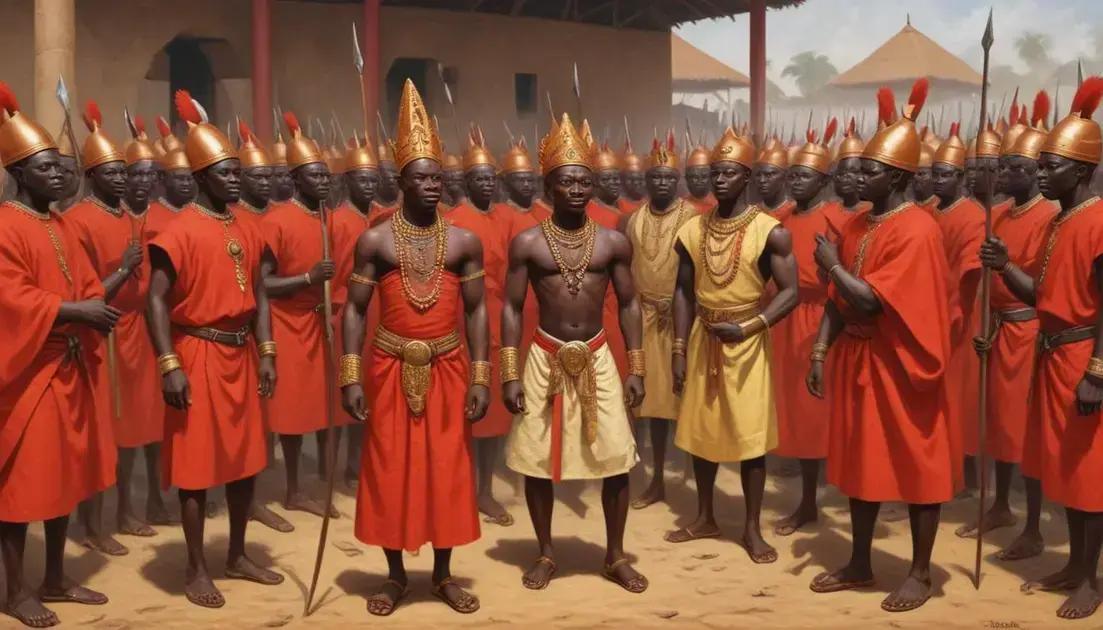
The leadership of the Benin Empire was strong. The Oba, or king, ruled with wisdom and authority. He was not just a political leader but also a spiritual figure, guiding his people in religious practices.
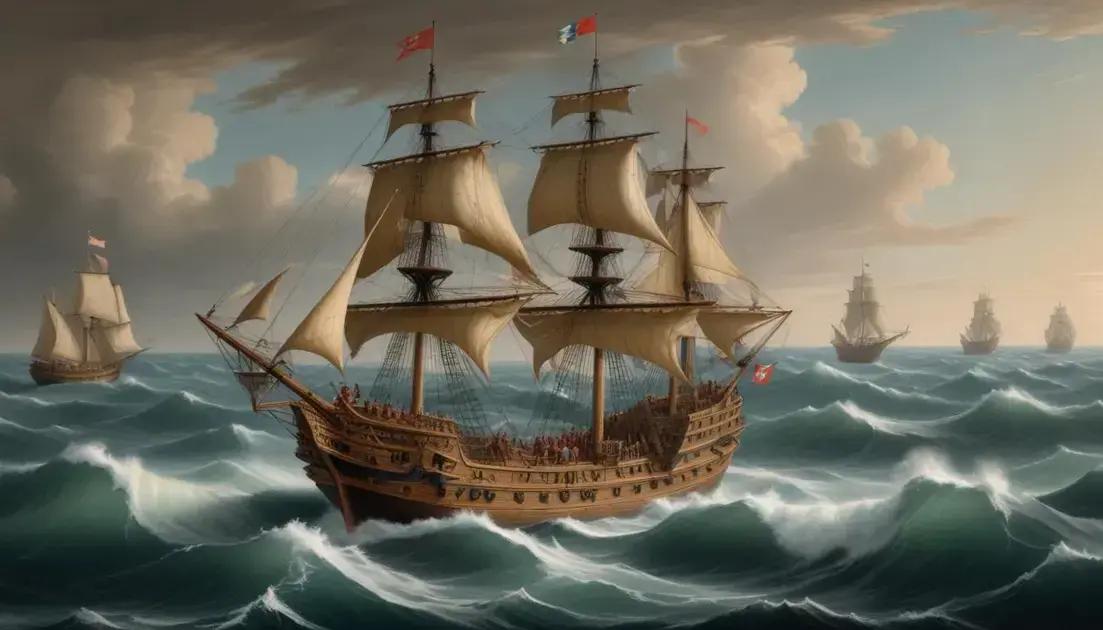
Trade flourished through the empire’s connections with other regions. They traded goods like pepper, ivory, and textiles. This created a powerful economy that attracted merchants from distant lands, including Europe.
The influence of the Benin Empire can be seen in their unique art. The famous Benin bronzes, which depict historical figures and scenes, showcase their artistry and cultural significance. These pieces are treasures that reflect the empire’s sophisticated society.
In summary, the origins of the Benin Empire highlight the importance of art, trade, and strong leadership. These factors shaped a powerful empire that left a lasting legacy in West Africa.
Art and Culture in the Benin Empire
Art and culture played a vital role in the Benin Empire. The empire was famous for its stunning bronze sculptures and intricate carvings. These artworks tell stories of the people and their history.
The Benin bronzes are among the most significant pieces of art from this empire. They were often created to honor kings, gods, and notable events. Each piece holds deep cultural meaning, reflecting the skilled craftsmanship of artists during that time.
Beyond sculptures, the empire also had rich traditions in music and dance. Festivals were a big part of life. People would come together to celebrate and perform. Music, usually from traditional drums, added energy to these events.
Textiles in the Benin Empire were also remarkable. Woven cloths often featured vibrant colors and unique designs. They were used in clothing and ceremonies, showcasing the creativity of the weavers.
The cultural practices of the Benin people were deeply tied to their beliefs. Their religion involved worshiping many gods, each with a specific role. Rituals and ceremonies respected these gods, highlighting the connection between art and faith.
The legacy of art and culture in the Benin Empire continues to inspire people today. Many are still fascinated by the beauty and significance of its art forms. This cultural richness is a key part of West African history.
Trade Networks and Economic Power
The Benin Empire thrived due to its strong trade networks. These connections spread across West Africa and beyond. Merchants traded goods like ivory, pepper, and textiles. This trade boosted their economy and wealth.
At its peak, the empire had well-established routes. They connected Benin to coastal cities and distant lands. This made it easier for them to exchange resources and ideas.
Trade not only brought in wealth but also new technologies and cultural influences. The empire welcomed traders from Europe, the Middle East, and other African regions. This created a melting pot of cultures.
The Oba played a crucial role in trade. He controlled the commerce within the empire, ensuring fairness and prosperity. His leadership helped establish strong relationships with neighboring kingdoms.
Marketplaces were lively with activity. People gathered to buy and sell goods, share news, and socialize. These marketplaces served as the heart of the empire’s economic power.
As trade flourished, the empire became a major economic hub. It attracted merchants and travelers, boosting its influence across the region. The Benin Empire’s trade networks laid the foundation for its success and legacy.
Political Structure of the Empire
The Benin Empire had a unique political structure that helped it thrive. At the top was the Oba, the king, who held all the power. The Oba was not just a ruler; he was also seen as a divine figure.
Below the Oba were the chiefs and nobles. They assisted the Oba in governing the empire. They managed different regions and reported back to the Oba. This system helped maintain order and loyalty.
The empire practiced a centralized form of government. This means all important decisions came from the Oba and his advisors. This helped keep the empire strong and unified.
Local leaders, called *Enogie*, played an essential role too. They governed smaller areas within the empire. They made local decisions and enforced the Oba’s rules. This made sure everyone followed the same laws.
Justice was also important in the Benin Empire. The Oba had judges who handled disputes and maintained fairness. Each town had its own local courts to deal with minor issues.
The Benin political structure created a strong sense of community. Everyone had their roles, and loyalty to the Oba was crucial. This system worked well for many years, contributing to the empire’s stability and success.
Legacy of the Benin Empire
The Benin Empire has left a rich legacy that continues to influence today. Its art, especially the famous bronzes, showcases remarkable craftsmanship. These artworks tell stories of the empire’s history and culture.
Trade routes established during the empire helped shape West African commerce. Even today, these routes influence economic connections across regions. The relationship with European traders introduced new ideas and goods, impacting local economies.
Politically, the Benin Empire laid the groundwork for future governance in the region. Its structured leadership and centralized authority served as a model for other kingdoms. Many modern governments reflect similar strategies in organization and administration.
The empire also made significant contributions to cultural practices. Festivals, music, and storytelling traditions from that time still thrive in West Africa. These cultural elements connect the past with the present, keeping the spirit of the Benin Empire alive.
Despite its decline, the legacy of the Benin Empire remains strong. It is celebrated in art, literature, and academia worldwide. Researchers and scholars continue to explore its fascinating history, ensuring that the empire’s impact is not forgotten.
Conclusion
In conclusion, the Benin Empire remains an important part of history, known for its unique art, strong trade networks, and effective political structure. Its legacy has influenced cultures and societies in West Africa and beyond. The craftsmanship seen in the Benin bronzes tells the story of a rich cultural heritage that still inspires people today.
The empire’s approach to trade paved the way for economic development in the region. Its systems of governance provided models that future leaders would follow, ensuring stability and order. Moreover, the cultural traditions from the Benin Empire continue to thrive, connecting past generations with the present.
Overall, the impact of the Benin Empire is undeniable. By studying its history, we can gain valuable insights into how art, trade, and effective leadership can shape societies. The legacy of the Benin Empire teaches us the importance of preserving history while inspiring future generations.
Tags: