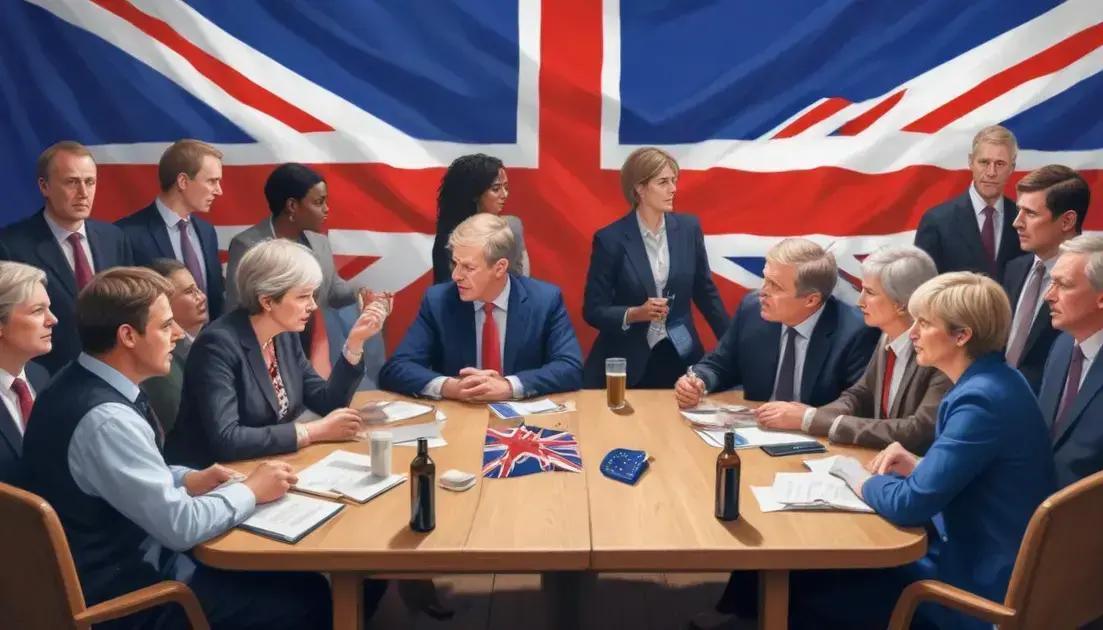
Brexit: Europe’s new nationalism
Brexit has significant implications for the UK and EU relations, highlighting a rise in nationalism and shifting political dynamics. As both regions navigate new trade agreements and political challenges, the uncertainty surrounding citizen rights and economic interactions continues to evolve. Key issues include immigration control and trade relations, affecting millions on both sides. The future relationship between the UK and the EU depends heavily on how these challenges are addressed, influencing everyday lives and international cooperation.
Brexit marks a significant turning point in Europe, highlighting not just a political shift, but also an identity crisis that resonates across nations. Are we witnessing the rise of a new nationalism?
Introduction
Brexit has changed the political landscape in Europe significantly. It’s more than just the UK leaving the EU; it shows deep feelings around national identity and belonging. Many believe Brexit is a response to rising nationalism.
People feel connected to their countries. They want their voices heard. This shift can be seen in various regions, where citizens are focusing on what makes their nation unique. Nationalism isn’t new, but it has taken on a new form in today’s politics.
As we look deeper, we notice that these feelings are strong in different parts of Europe. For example, discussions about immigration and economic control are central to many debates. It’s clear that people want to protect what they value most about their home.
Brexit acts as a mirror, reflecting what’s happening in other countries as well. Observers are eager to see how these issues will affect future politics across Europe. Will other nations follow the UK’s lead, or will they seek to strengthen their ties within the EU? Only time will tell.
The historical context of Brexit
The historical context of Brexit is essential to understand today’s political climate. Britain has been part of Europe for centuries, but its relationship has been complex. In 1973, the UK joined the European Economic Community, which later became the EU. This decision brought both benefits and challenges.
Over the years, many people in the UK felt uneasy about being part of the EU. Some believed that important decisions should remain national. This growing sentiment led to the call for a referendum on membership.
In June 2016, the UK held a vote. The result shocked many people. Approximately 52% voted to leave the EU, while 48% preferred to stay. This split showed deep divisions within British society.
Key issues during the campaign included immigration, trade, and laws. Many felt that leaving the EU would give the UK more control over its borders and laws. This idea tapped into long-held feelings of national pride.
The fallout from the vote was immediate. Political leaders faced pressure to act on the decision quickly. The UK officially left the EU on January 31, 2020. Since then, the long and complicated process of negotiating new relationships has begun.
Nationalism in Europe post-Brexit
Nationalism in Europe post-Brexit has become a hot topic. Many countries are seeing a rise in nationalist sentiments, similar to what led to Brexit. People are increasingly focused on their national identity and sovereignty.
In countries like France and Italy, nationalist parties are gaining support. They often challenge the European Union and advocate for stricter immigration policies. These groups argue that national interests should come first.
The Brexit vote has emboldened such movements across Europe. Leaders are now using the idea of national pride in their campaigns. They emphasize that citizens should have a larger role in decision-making.
Conversely, some fear that rising nationalism could harm unity in Europe. Critics warn that it may lead to increased divisions and conflicts between nations. They believe that European countries need cooperation to tackle global issues.
As we move forward, watchers of European politics are keen to see how this trend evolves. Will more countries follow the UK’s lead, or will they seek to strengthen ties within the EU? The answer remains uncertain.
Political implications of Brexit
Political implications of Brexit are far-reaching and complex. The decision to leave the EU has shifted how politics works in the UK and beyond. It hasn’t just affected trade; it’s changed political alliances and party dynamics.
In the UK, Brexit has caused major shifts within political parties. The Conservative Party has bolstered its position by appealing to pro-Brexit sentiments. Meanwhile, the Labour Party faces challenges in uniting its members, who have different views on the EU.
Brexit has also impacted Scotland and Northern Ireland. Many in Scotland wanted to stay in the EU, leading to increased calls for another independence referendum. In Northern Ireland, there are worries over how Brexit will affect the border with the Republic of Ireland.
Additionally, Brexit reshapes the UK’s global relationships. The UK now seeks new trade deals outside the EU. These changes can open new doors but may also strain long-standing alliances.
Across Europe, politicians watch closely. They worry that Brexit could inspire other countries to leave the EU. This situation raises questions about the future of Europe as a unified entity.
Future of the UK and EU relations
Future of the UK and EU relations is full of uncertainty and potential. As the UK moves forward outside the EU, both sides are adjusting to their new reality. Trade agreements will play a major role in shaping their future interactions.
Negotiations are ongoing. The UK wants to create trade deals with other countries, but it also needs to maintain a good relationship with the EU. Smooth trade flows are vital for both economies. It’s a balancing act.
The situation is further complicated by issues like fishing rights and regulatory standards. These topics can cause tensions between the two sides. Some regions heavily rely on fishing and will fight to protect their interests.
Furthermore, UK citizens living in EU countries and EU citizens in the UK face changes as well. Their rights and residency status must be worked out between the two sides, which remains a sensitive topic.
In the end, how the UK and EU navigate these challenges will affect not just politics, but everyday life for millions of people. The future is still being written, and everyone is watching closely.
Conclusion
In conclusion, Brexit has sparked significant changes in both the UK and the EU. The rise of nationalism and shifting political landscapes are reshaping how these regions interact. As both sides navigate trade agreements and political challenges, the future remains uncertain but full of potential.
The relationship between the UK and the EU will continue to evolve. Issues like trade, immigration, and citizen rights will play critical roles in shaping their future. As these changes unfold, it’s important to pay attention to how they impact everyday lives.
Ultimately, staying informed and engaged with these developments will help everyone understand the changing dynamics. The story of Brexit is still being written, and it’s one that affects millions on both sides.