Byzantium: The Empire That Survived a Thousand Years
The Byzantine Empire was a significant force in history, known for its cultural fusion, political innovations, and unique military strategies. It preserved and passed down critical knowledge from ancient Greece and Rome while producing remarkable art, particularly in mosaics and icons. The empire’s legal framework laid the groundwork for modern legal systems, and its Christian church influenced Eastern European identity. Byzantine military innovations, including Greek fire and advanced tactics, ensured its survival against various threats. Its legacy continues to impact art, law, and diplomacy today.
Byzantium is not just a name; it’s a story of survival, adaptability, and fusion. Curious how this remarkable empire managed to thrive for over a thousand years? Read on to discover the secrets behind its enduring legacy!
The Genesis of Byzantium
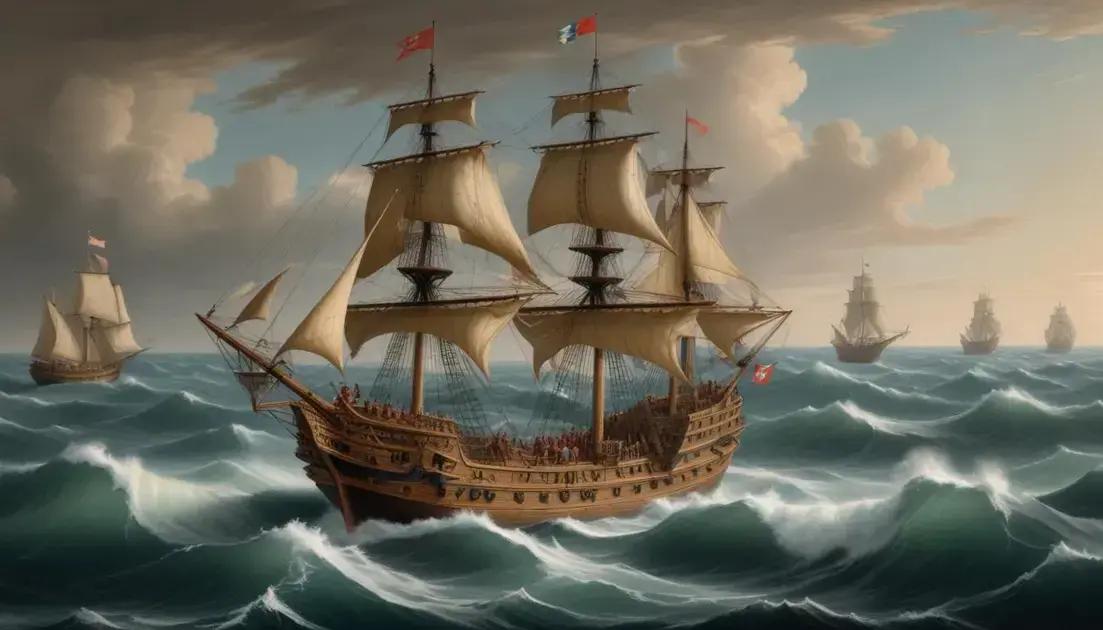
The story of Byzantium begins in ancient times, long before the name the world knows today even existed. The city of Byzantium was founded by Greek colonists around 657 BC. It was strategically located on the Bosporus Strait, which made it an essential trade route connecting Europe and Asia.
Over time, Byzantium started to grow. Its position allowed it to become a bustling hub of commerce. The city’s name changed to Constantinople in AD 330 when Emperor Constantine the Great made it the capital of the Roman Empire.
This new name marked the beginning of a new era. Constantinople quickly turned into one of the largest and wealthiest cities of the world. Its walls were built so strong, they defended against many attacks for centuries.
The combination of Greek culture and Roman governance shaped a unique identity. Byzantine art, law, and theology emerged, influencing the world around it. The city became a center for learning and culture, where scholars gathered to exchange ideas.
In a way, Byzantium set the stage for what would come. Its rich history laid the foundation for an empire that would survive for a thousand years. This small city became a symbol of endurance, adaptability, and legacy, impressing everyone who heard its tale.
Cultural Fusion in Byzantium
Cultural fusion was one of the hallmarks of Byzantium. The empire blended traditions from Roman, Greek, and Christian cultures. This mix created a rich tapestry of art, language, and ideas that influenced many parts of the world.
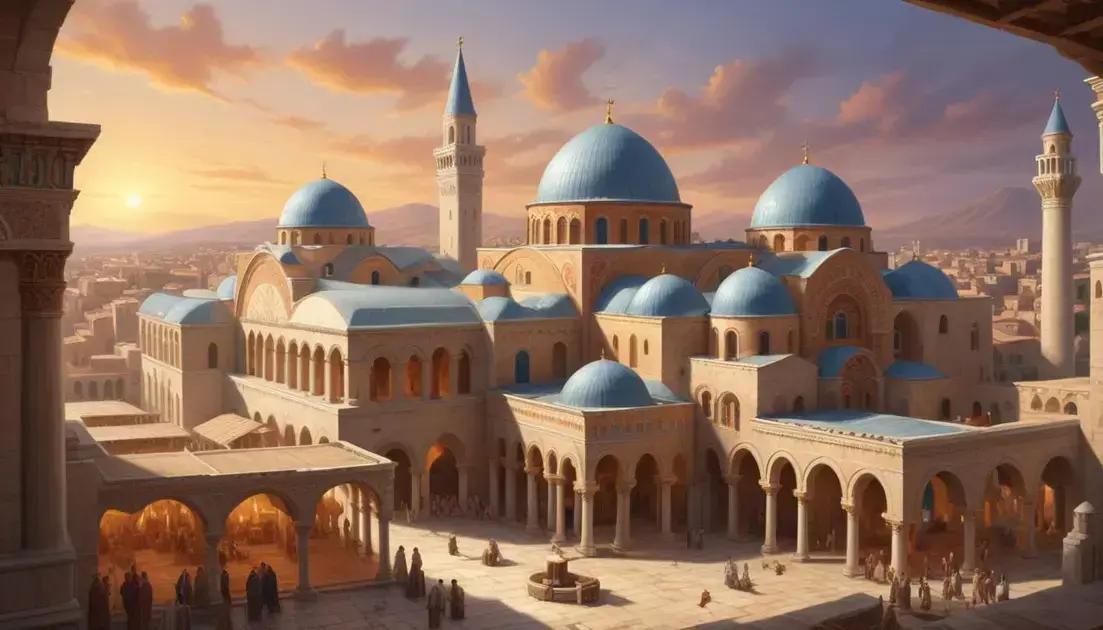
In Byzantium, art blossomed with vibrant mosaics and magnificent churches. Artists drew inspiration from both classical themes and Christian stories, leading to stunning visual representations. These artworks helped communicate complex ideas and beliefs to everyone, not just the educated.
Language also played a key role in this cultural fusion. Greek remained prevalent, while Latin was used in government. Over time, the unique Byzantine Greek emerged, combining elements from both languages.
The influence of Christian beliefs shaped daily life in Byzantium. Churches became centers for community gatherings and learning. The blending of these cultures fostered a sense of belonging among people from different backgrounds.
Trade with neighboring regions further enriched this cultural landscape. Merchants brought new ideas, foods, and customs that transformed local traditions. The blend of Eastern and Western influences made Byzantium a vibrant melting pot of cultures.
The Role of Christianity
Christianity played a significant role in shaping Byzantine culture and society. From the 4th century onward, it became the dominant religion in the empire. This change influenced many aspects of daily life.
Churches were not just places of worship. They became community centers where people gathered for celebrations, education, and support. The grandeur of these buildings reflected the empire’s wealth and devotion.
The Byzantine Empire was deeply intertwined with Christian beliefs. Emperors often saw themselves as God’s representatives on Earth. Their authority was both political and spiritual, creating a unique blend of church and state.
Writings from this period show how Christianity influenced art and literature. Mosaics and icons depicted biblical scenes, helping to communicate important stories and lessons. These artworks made religious teachings accessible to everyone, even those who couldn’t read.
Additionally, Christianity promoted values like charity and compassion. The church established hospitals and shelters for the needy, reflecting its commitment to helping the less fortunate.
Throughout Byzantine history, Christianity also faced challenges, including debates over beliefs and practices. These discussions sometimes led to divisions, but they also strengthened faith and community ties.
Political Structures
The political structure of Byzantium was unique and complex. At the top was the emperor, who held supreme power. The emperor was seen as God’s representative on Earth, blending political and religious authority.
Below the emperor were various officials and nobles. They helped manage the empire’s vast territories. These officials often came from wealthy families, ensuring that power stayed within a small elite group.
Byzantium had a well-organized bureaucracy. This system helped the emperor make effective decisions. Laws were codified, making them easier to enforce. The Corpus Juris Civilis, created under Emperor Justinian, is one famous example of this legal work.
Local governance also played a key role. Each region had a governor who handled local matters. These governors reported directly to the emperor and enforced imperial policies.
The Byzantine military was crucial for maintaining order. It protected the empire from outside threats but also supported the emperor’s rule. A strong military presence helped secure loyalty among local leaders and the population.
Political life in Byzantium was not without challenges. Emperors faced power struggles and revolts from ambitious generals or aristocrats. Despite these challenges, the empire often managed to stabilize its governance.
Military Innovations
Military innovations were crucial for the success of the Byzantine Empire. The empire faced constant threats from neighboring regions. To defend itself, it developed advanced strategies and technologies.
One of the key innovations was the use of Greek fire. This was a powerful incendiary weapon that could burn on water. It was incredibly effective in naval battles and helped secure victories against enemies.
Byzantine soldiers were well-trained and disciplined. They used tight formations and combined arms tactics effectively. Infantry, cavalry, and archers worked together to create a strong fighting force.
The empire also developed fortified cities. Walls were built high and thick to resist attacks. The famous walls of Constantinople were an incredible feat of engineering. They protected the city for centuries from invasions.
Good communication was essential during battles. The Byzantines used signals and beads to relay commands across the battlefield. This coordination helped troops respond quickly to changing situations.
Byzantine military innovations didn’t just stop at weapons and tactics. They also included efficient supply chains. Keeping troops well-supplied allowed them to stay in the field longer and be more effective.
Legacy and Influence
The legacy of the Byzantine Empire is vast and impactful. Its influence can still be seen today in various aspects of culture, art, and government. Byzantium preserved and passed down ancient Greek and Roman knowledge. This helped keep alive many ideas that might have otherwise been lost.
Byzantine art is particularly renowned, especially its mosaics and icons. These artistic forms blended religious themes with intricate designs. They inspired future generations of artists in both the East and West.
In terms of law, the Corpus Juris Civilis, created under Emperor Justinian, laid the foundation for modern legal systems. Many legal principles we use today come from this important work.
The Byzantine Church also had a lasting effect. It shaped Christianity in Eastern Europe. The Orthodox Church became a key player in many nations’ identities.
Byzantium’s diplomacy and trade practices introduced new ideas across borders. Merchants spread knowledge, goods, and culture far and wide. This made the empire a crucial link between East and West.
Even after its fall, the influence of Byzantium continued. Many of its traditions merged with those of surrounding cultures, maintaining its impact for centuries. The city of Constantinople, now Istanbul, remains a vibrant testament to its rich history.
Conclusion
In conclusion, the Byzantine Empire left a remarkable legacy that still impacts our world today. Its role in preserving knowledge, art, and legal systems is truly significant. The rich tapestry of Byzantine culture shows how different ideas can blend to create something special.
From innovative military strategies to beautiful art, every aspect of Byzantium contributed to its lasting influence. The ways in which the Byzantine Church shaped the identity of Eastern Europe are essential to understanding history.
As we look back, it’s clear that the choices made in the Byzantine era still resonate with us. By learning from their achievements and struggles, we can understand our own world better. The story of Byzantium teaches us about resilience, adaptation, and the importance of cultural exchange.