China’s Dynasties: The Cycles That Shaped a Civilization
The Ming and Qing Dynasties significantly influenced Chinese culture and history through their achievements in art, trade, and governance. The Ming, known for its exquisite blue and white porcelain and expanding trade routes, laid the groundwork for a prosperous society. The Qing Dynasty further increased territory and cultural diversity, faced challenges like the Opium Wars, and promoted Confucian values. Together, these dynasties shaped a complex societal structure, leaving a lasting legacy that continues to impact modern China.
Have you ever thought about how **Chinese History** is marked by the rise and fall of dynasties? Each dynasty not only left its mark through governance but also set the stage for societal transformations and innovations. Let’s dive into these fascinating cycles!
The Shang Dynasty: Foundations of Chinese Civilization
The Shang Dynasty is known as one of the earliest Chinese dynasties, establishing a foundation for Chinese civilization. It lasted from around 1600 to 1046 BC. During this time, it was marked by significant advancements in culture, art, and technology.
Government and Society
The Shang Dynasty had a strong centralized government. The king controlled everything, including military duties and religious practices. Society was structured with nobles, warriors, and farmers. Nobles assisted the king and served in the army.
Cultural Achievements
One major achievement was the development of writing. The Shang created symbols that represented words. This helped record history and communicate ideas over long distances. Bronze work was also vital. They crafted ceremonial vessels and weapons from bronze, showcasing their skills.
Religion and Beliefs
The Shang people practiced polytheism, meaning they believed in many gods. They honored their ancestors through rituals. Oracle bones were used for divination, allowing them to seek guidance from the spirits.
These beliefs connected the living with their ancestors and the divine. Festivals and ceremonies were common. They believed these practices ensured good fortune and protection.
Technological Innovations
The Shang Dynasty made remarkable strides in technology. They developed advanced farming techniques. Irrigation and plowing helped produce more food. They also created wheels and chariots, improving transport and trade.
Overall, the Shang Dynasty laid vital groundwork for future Chinese dynasties. Their innovations in writing, governance, and culture continue to influence Chinese society today.
The Zhou Dynasty: The Rise of Philosophical Thought
The Zhou Dynasty lasted from around 1046 to 256 BC. It marked a significant period in Chinese history. This era is especially known for the rise of philosophical thought.
Government Structure
The Zhou introduced a new way of governing. They believed in the “Mandate of Heaven.” This idea meant that rulers should be just and virtuous. If they failed, they could lose their right to rule.
Philosophy and Confucianism
During the Zhou Dynasty, thinkers like Confucius emerged. His ideas focused on morality and ethics. Confucianism teaches the importance of respect, family, and education. It shaped Chinese culture for centuries.
Daoism and Its Beliefs
Another key philosophy was Daoism. This belief system promotes living in harmony with nature. Followers seek a simple life free from unnecessary desires. Laozi, the founder of Daoism, encouraged people to follow the “Dao,” or the way.
Impact of Philosophical Thought
The explosion of philosophical ideas during this dynasty impacted society. These teachings guided personal behavior and governance. They encouraged leaders to act with wisdom and compassion.
Beyond politics, these philosophies influenced arts and sciences. Literature, poetry, and painting all blossomed during this period, enriching Chinese culture.
As we look back, the Zhou Dynasty reminds us of how important ideas can shape a civilization. Its mix of government and deep thought paved the way for the future of China.
The Qin Dynasty: Unification and Legalism
The Qin Dynasty lasted from 221 to 206 BC and was crucial for China. This dynasty is famous for unifying China and implementing strict laws through Legalism.
Unification of China
Before the Qin, China was divided into many states. Qin Shi Huang, the first emperor, conquered these states. His leadership marked the start of a unified China.
Legalism Explained
Legalism was a philosophy that emphasized strict laws and harsh punishments. It aimed to maintain order and control. Legalists believed people were naturally selfish, so they created strict rules to guide behavior.
Impact of Legalism on Society
Under Legalism, disobedience was met with serious consequences. This made many people afraid to break the law. While it helped control society, it created fear and resentment among the people.
Infrastructure Development
The Qin Dynasty also focused on infrastructure. They built roads and walls to connect and protect the empire. These projects helped improve trade and communication across the region.
The most famous project was the Great Wall of China. It was built to protect against invasions from northern tribes. Though it began during this time, it was expanded by later dynasties.
Legacy of the Qin Dynasty
The Qin Dynasty was short-lived but very influential. Its approach to governance and unification had lasting effects. Many features of this period carried on into future dynasties, shaping Chinese identity.
The Han Dynasty: Cultural Flourishing and Expansion
The Han Dynasty lasted from 206 BC to 220 AD. It is known for its significant cultural flourishing and expansion of territory. This period had a great impact on Chinese history.
Government and Administration
The Han established a strong central government. They continued the principles of the Qin but softened the harsh laws. This change helped gain people’s support.
Economic Growth
Trade expanded during the Han. The famous Silk Road connected China to the West. This route allowed silk, spices, and other goods to be traded. It increased wealth and culture across Asia.
Cultural Achievements
The Han Dynasty saw great advancements in science and technology. Paper was invented, making writing easier and more accessible. The compass and seismograph also appeared, showcasing innovation.
Confucianism’s Influence
Confucianism became the official philosophy. This belief system stressed ethics, family values, and respect for authority. Education was important, and many studied Confucian texts.
The Arts and Literature
Literature thrived during the Han. Famous works like the Records of the Grand Historian were written. Poetry and historical writing became popular, enriching Chinese culture.
Military Expansion
The Han Dynasty expanded its borders significantly. They defended against nomadic tribes and controlled new territories. This growth brought diverse cultures into the empire, blending traditions.
Overall, the Han Dynasty laid much of the groundwork for Chinese identity. Its focus on culture, economy, and governance influenced generations to come.
The Tang and Song Dynasties: Trade and Innovation
The Tang and Song Dynasties were periods of great trade and innovation in China. The Tang Dynasty lasted from 618 to 907 AD, while the Song followed from 960 to 1279 AD. These times were marked by advances in technology and an increase in commerce.
Trade Expansion
During these dynasties, trade routes flourished. The Silk Road became busier than ever. Merchants traveled great distances, trading silk, spices, and other goods.
Maritime Trade
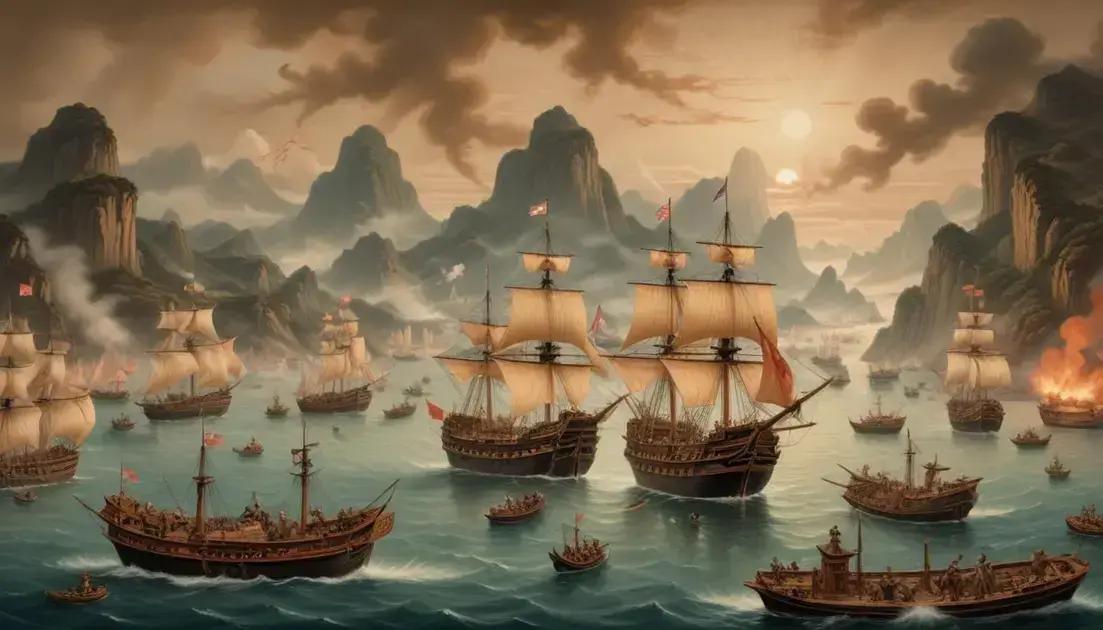
The Song Dynasty saw the rise of maritime trade. Ships carried goods to far-off lands. This helped China connect with countries in Asia, Africa, and beyond.
Technological Innovations
Many inventions came to light during the Tang and Song Dynasties. Gunpowder, the compass, and printing were all improved. The invention of movable type printing made books cheaper and more available.
Cultural Exchange
With trade came cultural exchange. Ideas, art, and religions flowed into China. This brought new ways of thinking and enriched Chinese culture.
Cities and Urban Growth
Trade led to the growth of cities. Places like Chang’an and Hangzhou became bustling centers. They attracted people from all over, creating diverse populations.
Impact on Society
As trade increased, so did wealth. Many people became prosperous. The rise of a merchant class changed the social structure, challenging the traditional aristocracy.
Overall, the Tang and Song Dynasties played a crucial role in shaping China’s trade networks and fostering innovation. Their legacy continues to influence Chinese culture and society today.
The Ming and Qing Dynasties: Lasting Impacts
The Ming and Qing Dynasties were significant periods in Chinese history. The Ming lasted from 1368 to 1644, and the Qing followed from 1644 to 1912. Both dynasties left lasting impacts on China.
Cultural Achievements
The Ming Dynasty is known for its cultural achievements. Art, literature, and architecture flourished during this time. Famous blue and white porcelain became popular around the world.
Expansion of Trade
Trade expanded significantly during the Ming and Qing Dynasties. The Ming opened trade routes to Europe and beyond. The Qing continued this trend, increasing wealth and cultural exchange.
Qing Empire and Diversity
The Qing Dynasty added vast territories to China. They ruled over many different ethnic groups. This diversity shaped Chinese culture and society during their reign.
Impact of Confucianism
Confucianism remained influential under both dynasties. It guided government policies and shaped social values. Emphasis on education and family respect continued to be important.
The Opium Wars
During the Qing Dynasty, China faced challenges such as the Opium Wars. These conflicts with Western powers changed China’s relationship with the world. They exposed weaknesses in Qing rule, leading to reforms.
Lasting Legacy
The Ming and Qing Dynasties laid the groundwork for modern China. Their cultural contributions continue to be celebrated. The impacts of trade, governance, and social structures are still felt today.
Conclusion
In conclusion, the Ming and Qing Dynasties played crucial roles in shaping China’s history and culture. Their time was marked by great achievements in art, trade, and governance. The cultural legacies from these dynasties are still celebrated today, from exquisite pottery to rich literary works.
While they faced challenges like the Opium Wars, the impacts of these periods continue to influence modern China. The combination of diverse peoples under Qing rule and the flourishing trade under Ming created a complex and vibrant society. Understanding this history helps us appreciate China’s journey and its significance on the world stage.