China’s rise: from empire to superpower
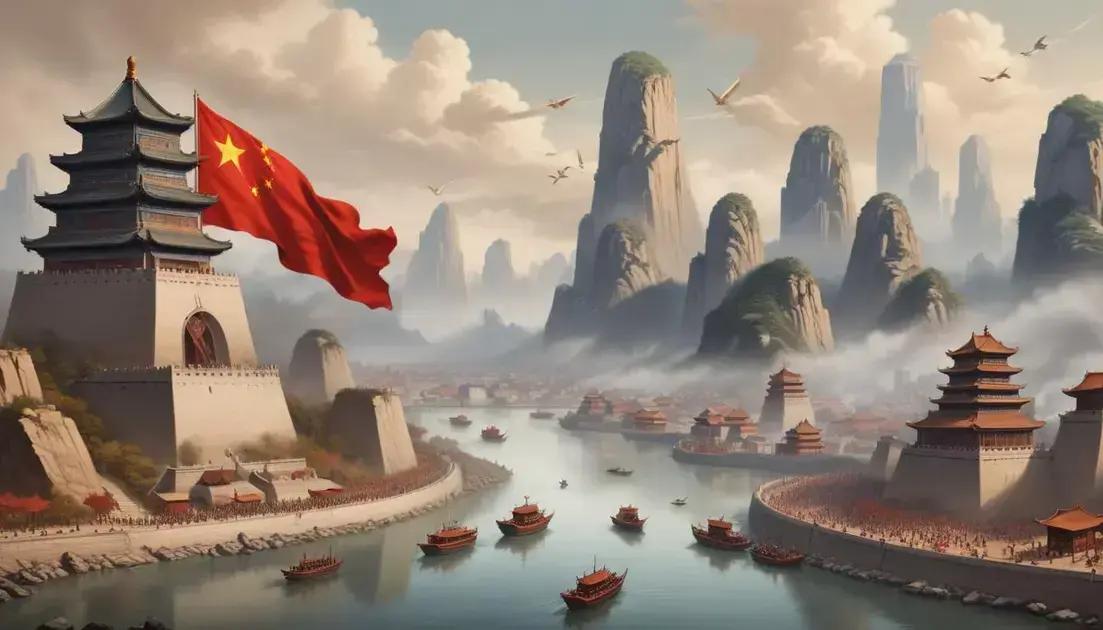
China’s rise to superpower status stems from its significant economic reforms, political developments, and increasing global influence. The country transformed from a strict communist state to a more market-oriented economy, fostering growth through innovation and foreign investment. As a cultural powerhouse, China’s technological advancements and initiatives like the Belt and Road Project further enhance its presence on the world stage, attracting partnerships and expanding trade relationships. Understanding these aspects provides insight into China’s strategic importance and role in shaping the future global landscape.
The story of China is one of remarkable transformation. From its imperial roots to a modern superpower, how did this nation achieve such an incredible rise?
Historical Context
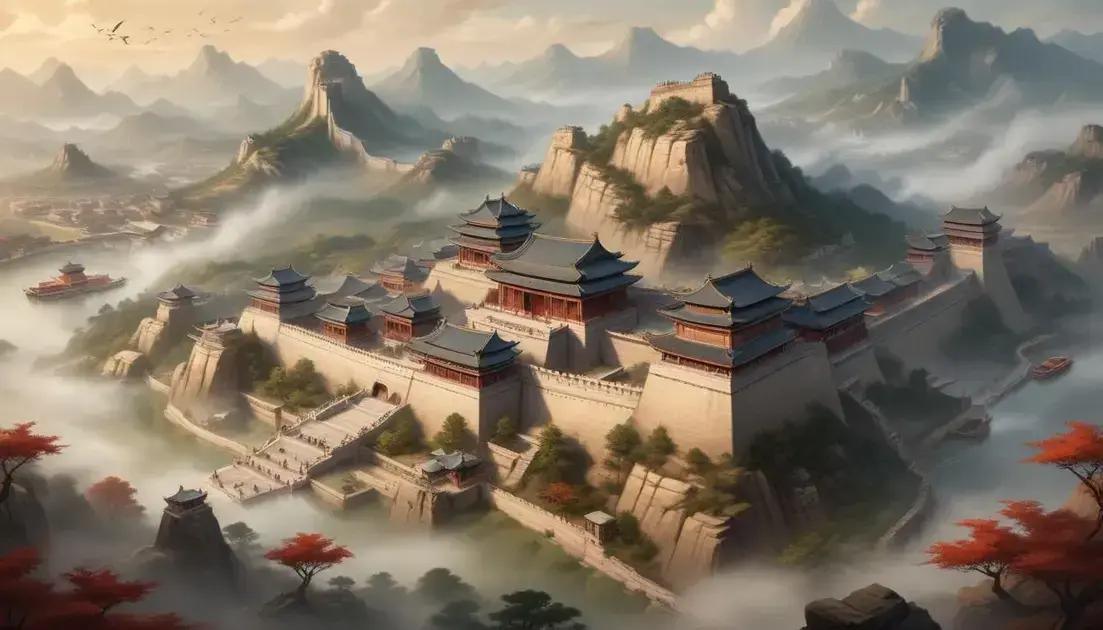
To understand China’s rise to power, we need to explore its historical context. This nation has a rich tapestry of events that shaped its identity. For centuries, China was an empire known for its innovations and cultural achievements.
Dynastic Rule and Influence
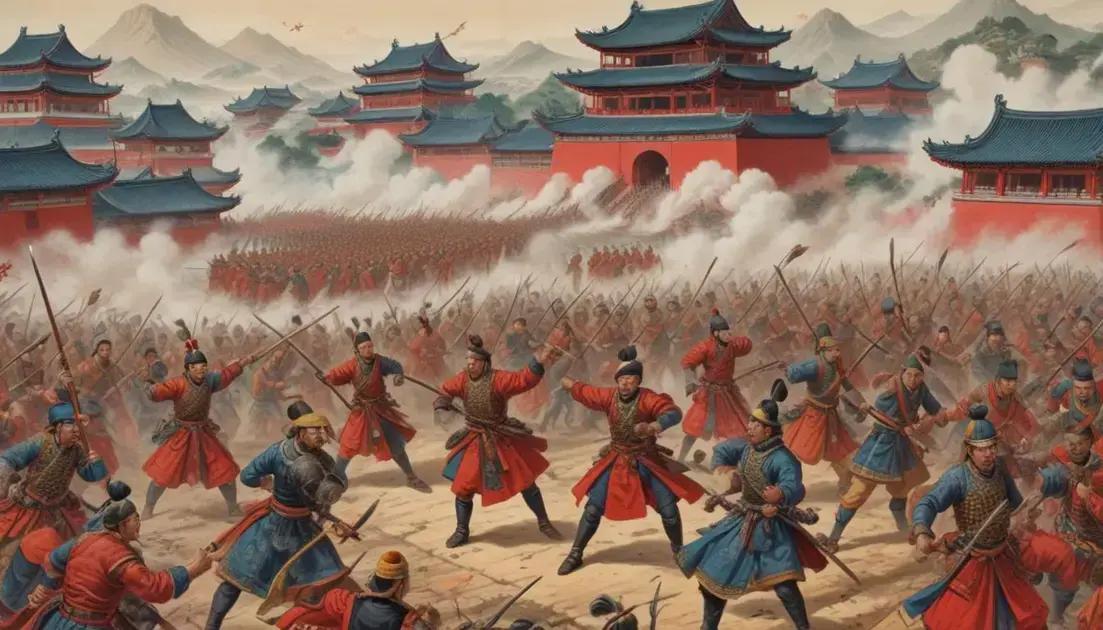
The dynastic system played a key role in China’s history. Various dynasties contributed to its culture, art, and technology. The Tang and Song dynasties are especially noted for advances in science and trade.
Impact of Foreign Relations
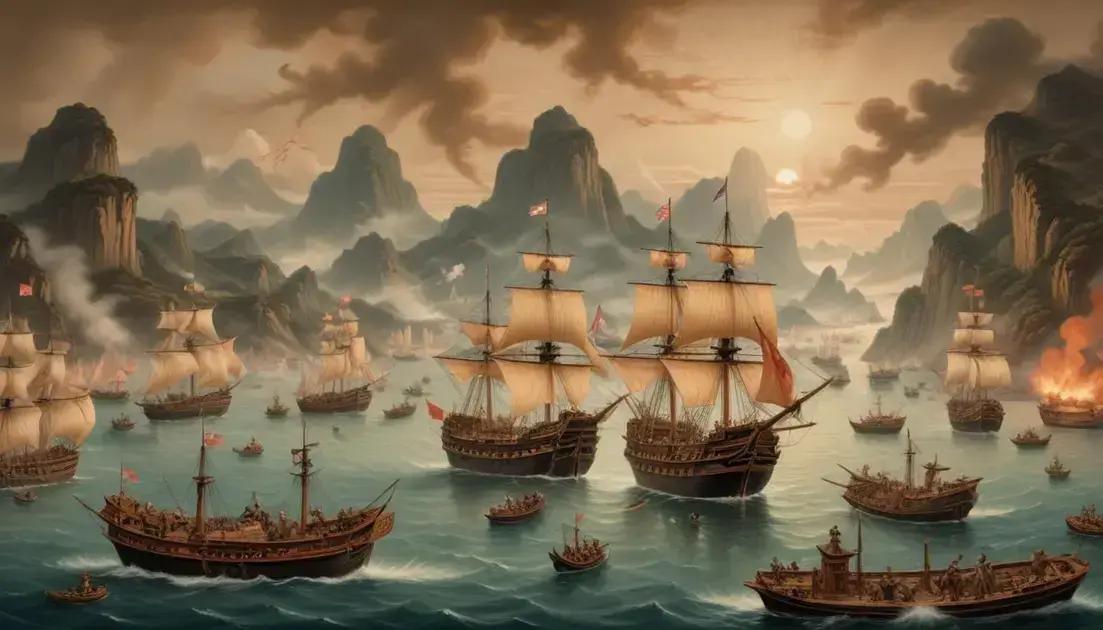
Interactions with neighboring countries and Western powers influenced China’s direction. The Opium Wars in the 19th century marked a significant turning point. It led to unequal treaties and foreign domination, changing the dynamics within China.
The Road to Reform
As the 20th century approached, China faced internal strife. The fall of the Qing dynasty in 1911 initiated a series of reforms. These reforms aimed at modernization, trying to blend tradition with new ideas. This set the stage for further changes down the line.
The Communist Revolution
In 1949, the establishment of the People’s Republic of China marked a new era. The Communist Party brought significant changes to the economy and society. The shift focused on collective ownership and central planning.
Reform and Open Policy
The late 20th century saw major reform. Under Deng Xiaoping, China embraced open-door policies. This shift led to economic growth and increased global engagement. It transformed China’s economy from a command system to a more market-oriented one.
Overall, understanding this historical background helps us see how past events paved the way for China’s ascent as a superpower.
Economic Reforms
China’s economic reforms changed the country dramatically. In the late 1970s, leaders recognized the need for change. They shifted from a strict planned economy to a more market-oriented approach.
Opening Up to the World
The reforms started with the open-door policy. This policy encouraged foreign investment and trade. Many foreign companies began to set up in China, bringing capital and technology.
Special Economic Zones
Special Economic Zones (SEZs) were created in cities like Shenzhen. These zones allowed for more economic freedom, promoting growth and attracting businesses. They became important models for development.
Agricultural Changes
Agriculture saw big changes, too. The household responsibility system replaced collective farming. This meant families could own their land and profit from their produce. As a result, food production increased.
Industry and Global Trade
The reforms also focused on industry. China began producing goods for export. With affordable labor, they quickly became a manufacturing hub for the world.
Rising Middle Class
As the economy grew, so did the middle class. More people had jobs and disposable income. This led to an increase in consumption and a growing domestic market.
Today, these economic reforms are key reasons for China’s status as a major global player. They set the stage for a rapidly evolving economy that continues to transform.
Political Developments
China’s political developments have greatly shaped its path to becoming a superpower. The political landscape has seen big changes, especially since the mid-20th century.
The Rise of the Communist Party
In 1949, the Communist Party came to power. This marked a major shift in governance. The new leaders aimed to create a communist state based on Marxist principles.
Centralized Control
The party established a strong centralized control. Decisions were made by a small group of leaders. This helped maintain order but limited individual freedoms.
Revolutions and Movements
Over the years, China experienced major revolutions. The Cultural Revolution was a significant event in the 1960s. It aimed to enforce Maoist orthodoxy and eliminate dissent.
Economic Reform Era
As economic reforms began in the late 1970s, political control remained tight. While the economy opened up, the government kept a strong grip on power. This balance allowed for growth while suppressing political freedoms.
The Role of Leadership
Leadership plays a key role in China’s politics. Figures like Deng Xiaoping and Xi Jinping have influenced policies significantly. Each leader’s vision shapes the country’s direction.
International Relations
China’s political developments also affect its international relations. As the country rose in power, it increased its influence globally. This has led to complex relationships with other nations.
Overall, the political landscape of China is vital to understanding its rise as a global superpower. The interaction between governance and economic growth has defined the country’s path.
Global Influence
China’s global influence has grown significantly in recent years. This rise isn’t just about economics. It also involves culture, politics, and technology on the world stage.
Economic Powerhouse
China is now one of the largest economies. Its growth has made it a key player in global trade. Many countries look to China for investment and partnerships.
Cultural Impact
Chinese culture is spreading worldwide. Movies, music, and art from China reach broader audiences now. This cultural exchange helps build soft power, making China more attractive to other nations.
Political Engagement
On the political front, China is active in global affairs. It participates in organizations like the United Nations and the World Trade Organization. China often advocates for developing countries, enhancing its international standing.
Technology Leadership
Technology is another area of influence. Chinese companies lead in sectors like telecommunications and e-commerce. Innovations from China shape global technology trends and standards. Companies like Huawei and Alibaba are known worldwide.
Global Initiatives
China’s Belt and Road Initiative is a major global project. It connects Asia with Europe and Africa through infrastructure investments. This initiative aims to boost trade and stimulate economic growth in partner countries.
Overall, China’s global influence is multidimensional, affecting various aspects of international relations and global culture. Its presence in the world is a crucial factor in shaping the future.
Future Prospects
The future prospects for China are both exciting and complex. As a major global player, many are curious about what lies ahead.
Economic Growth
China’s economy is expected to keep growing. Experts predict the nation will maintain its position as a leading economic force. This growth could continue despite challenges.
Technological Advancements
Innovations in technology will shape the future. China is investing heavily in areas like AI and renewable energy. These sectors are vital for sustainable development.
Global Trade Relations
China’s role in global trade may evolve. With initiatives like the Belt and Road, it plans to strengthen ties with many countries. This can open up new markets for Chinese goods and services.
Environmental Challenges
Facing environmental issues is crucial. Air pollution and climate change are important challenges. As China aims for a greener future, policies will likely focus on sustainability.
Political Influence
China’s political influence is also expected to grow. The way it interacts with other nations could change how global politics plays out. More countries may seek partnerships with China.
The coming years will play a significant role in shaping China’s path as a global superpower. Keeping an eye on these prospects helps us understand the world’s changing landscape.
Conclusion
In conclusion, China’s journey from an ancient empire to a modern superpower is truly remarkable. Understanding the factors that contributed to its rise helps us appreciate its complexities. From economic reforms to political developments, each element plays a role in shaping its future.
As China faces new challenges, like environmental issues and changing global relations, its approach will be crucial. The country’s impact on the world stage will likely continue to grow. By keeping an eye on these developments, we can better understand the changes shaping our world today.