Cinema of fear: how movies fueled paranoia
Paranoia in the digital age reflects our growing concerns about privacy and security. As technology advances, people feel increasingly anxious about data tracking and the influence of social media on self-image. Moreover, fears about cyber threats and the changing job landscape due to automation contribute to this sense of unease. By understanding these issues, individuals can better manage their anxieties while navigating the complexities of our connected world.
Paranoia has always been a significant theme in cinema, influencing how we perceive the world around us. As movies unveil societal fears, they mirror the anxiety we feel in our everyday lives. What lessons do these films teach us?
The history of fear in cinema
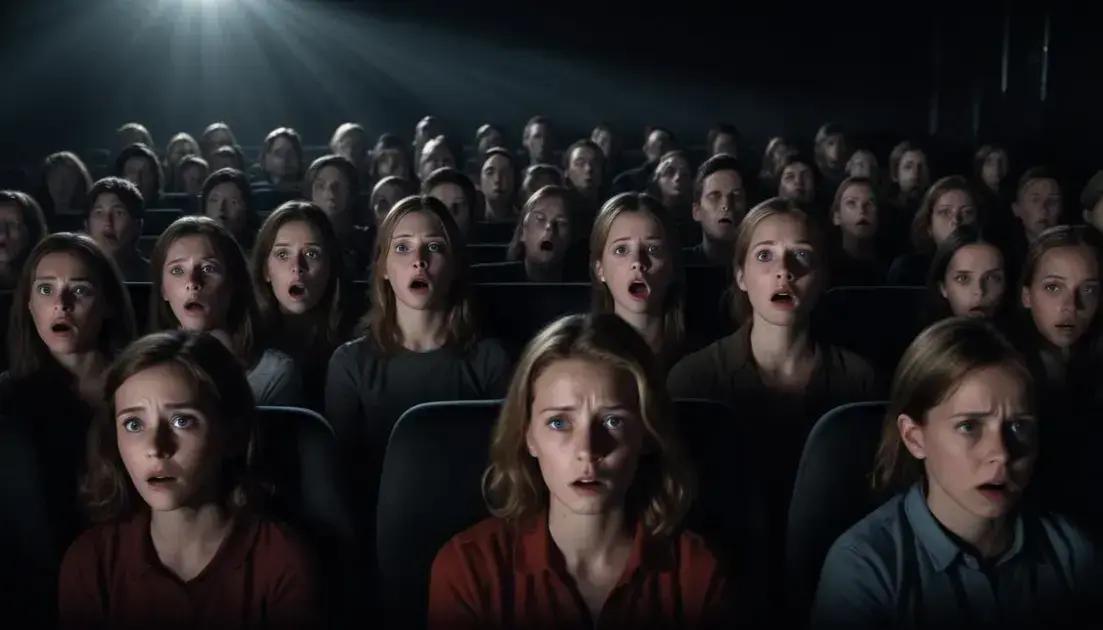
The history of fear in cinema dates back to the early days of filmmaking. Silent films laid the groundwork for horror and suspense. People sat in dark theaters, excited and scared by the flickering images on the screen.
Early Influences
Movies like “Nosferatu” and “The Cabinet of Dr. Caligari” introduced creepy characters and unsettling plots. These films showed audiences that fear could be thrilling. They created a sense of tension and unease that hooked viewers.
Classic Horror Era
In the 1930s and 1940s, horror films took off. Iconic monsters like Dracula and Frankenstein scared audiences. These characters became pop culture symbols. They helped shape the horror genre we love today.
Psychological Horror
As time went on, filmmakers explored deeper fears. Psychological horror films made viewers question their own sanity. Movies like “Psycho” and “The Shining” kept audiences on the edge of their seats with suspense and unexpected twists.
Modern Era of Fear
Today, horror movies blend different styles and themes. Found footage films, like “The Blair Witch Project,” make viewers feel like they’re part of the story. This new approach creates real fear through realism.
Whether it’s monsters, psychological thrillers, or supernatural tales, fear in cinema has evolved. It continues to reflect societal anxieties and keeps audiences coming back for more excitement.
How movies reflect social anxieties
Movies often show us what we’re feeling inside. They bring our social anxieties to life on screen. People relate to stories about fear, stress, and loss. This connection helps build empathy and understanding.
Mirroring Current Events
Directors use films to comment on real-world issues. During tough times, like wars and economic crises, films reflect those challenges. They tell stories that make us think about our society and its problems.
Creating Awareness
Horror films often play with our fears. They highlight worries about the future or the unknown. By showcasing these fears, movies help raise awareness about important topics. This can spark important conversations among viewers.
Shared Experiences
Films show characters facing relatable struggles. This allows audiences to see themselves in the story. For example, a character dealing with anxiety can resonate deeply with someone watching. It reminds us that we’re not alone.
Escaping Reality
Sometimes, we watch movies to escape our issues. But many films also remind us of those same issues. They hold up a mirror to society and force us to confront uncomfortable truths.
Through this reflection, movies can drive change. They challenge us to think differently and inspire us to take action.
Case studies of specific films
Looking at case studies of specific films helps us understand their impact. These films often tap into our fears and emotions. By studying them, we can see how they reflect society’s anxieties.
“Psycho” by Alfred Hitchcock
In “Psycho,” Hitchcock explored themes of fear and identity. The famous shower scene shocked audiences and changed horror films forever. It shows how quickly fear can strike and disrupt our lives.
“Get Out” by Jordan Peele
“Get Out” is a modern classic that digs into social issues. It addresses racism and fear of the unknown. Peele uses horror to tackle real-life anxieties many face daily. This blend of genres makes the film powerful and thought-provoking.
“The Exorcist” by William Friedkin
Another significant film is “The Exorcist.” It showcases the fear of possession and the unknown. Many viewers left the theater feeling shaken. Its religious themes tap into deep-seated fears about morality and evil.
“A Quiet Place” by John Krasinski
In “A Quiet Place,” silence is key to survival. The film creates tension through the fear of making noise. It reflects our own fears of vulnerability and the unknown. The characters’ struggles reflect how we navigate dangers in our world.
These films show how cinema reflects our deepest fears and societal anxieties. By studying their impact, we learn more about ourselves and the world around us.
Impact of horror movies on perception
Horror movies have a strong impact on our perception of fear and danger. They shape how we see the world around us. Through powerful storytelling, these films often challenge our beliefs and provoke thought.
Creating Realistic Fears
Many horror films play with our natural fears. They take everyday situations and turn them into nightmares. For example, a simple walk at night can become terrifying. This shift affects how we view safety in our own lives.
Shaping Social Norms
Horror movies can also influence social norms. They can normalize certain fears or behaviors. People might start to see the world as more dangerous than it is. This can lead to increased anxiety in day-to-day life.
Empathy and Understanding
Interestingly, horror films can build empathy. When viewers experience fear alongside characters, they often relate to their struggles. This creates a deeper understanding of what others go through in real life.
Encouraging Conversations
Horror movies spark discussions about important topics. They can touch on mental health, trauma, and societal issues. By exploring these themes, films invite viewers to reflect on their own fears and experiences.
In this way, horror movies do more than just entertain. They shape perceptions and responses to fear, influencing how we see ourselves and others.
Paranoia in the digital age
In the digital age, paranoia takes on new forms. With technology all around us, our fears can feel more real than ever. We worry about privacy, security, and control over our information.
Privacy Concerns
Every click we make online can be tracked. This raises questions about who’s watching us. Many people feel uncomfortable knowing their data isn’t fully private. Apps and websites often collect personal information, making it hard to stay safe.
Fear of Technology
As technology grows, so does fear of the unknown. Many worry about Artificial Intelligence (AI) and automation. They fear these tools might take jobs or make choices for us. This fear can lead to anxiety about the future.
Social Media and Anxiety
Social media plays a big role, too. People often compare themselves to others. This constant comparison can heighten feelings of inadequacy and self-doubt. It can create a sense of paranoia about fitting in.
Cybersecurity Threats
Cybersecurity threats are another source of anxiety. Data breaches can expose sensitive information. This makes us feel vulnerable and concerned about identity theft. Many spend time worrying about how to stay safe online.
Understanding these fears is important. By recognizing our feelings of paranoia, we can find ways to cope with them in this fast-evolving digital landscape.
Conclusion
In conclusion, the rise of paranoia in the digital age highlights our need to address our fears. With growing concerns about privacy and security, it’s crucial to stay informed. Understanding the impacts of technology on our lives can help us manage our anxieties more effectively.
As we navigate this digital landscape, being aware of the psychological effects of social media and technology is essential. By recognizing our feelings of unease, we can find ways to cope and enjoy the benefits of technology while minimizing its drawbacks. Ultimately, finding balance is key to thriving in an increasingly connected world.