Climate as Weapon: The Politics of the Planet
The politics of climate change is transforming global power dynamics as countries prioritize resource management and international cooperation. As nations adapt to environmental challenges, climate impacts shape policies and influence international relations. Countries with effective resource control gain strategic advantages, fostering alliances and enhancing their global influence. Addressing climate issues collectively is essential for creating a secure, sustainable future for all.
Have you ever thought about how climate change could alter the balance of global power? It’s a pressing issue that affects us all!
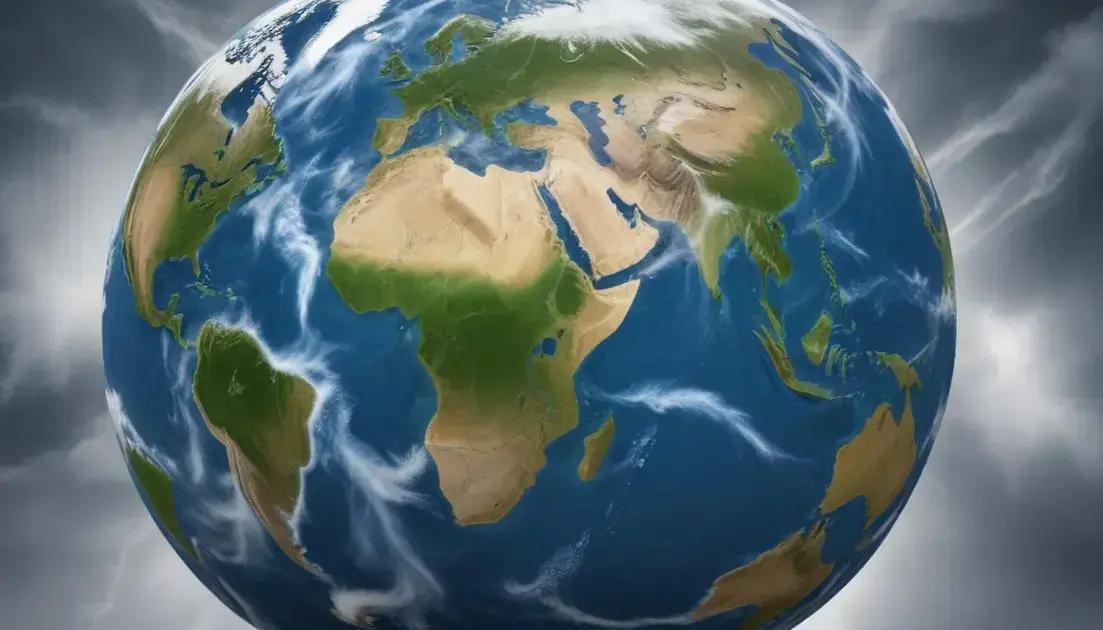
The New Global Map of Power
The power dynamics on our planet are shifting. Climate change is now a major factor in how nations interact. Each country has different resources and vulnerabilities.
Understanding the New Power Map
This new global map of power is shaped by access to natural resources like water, land, and energy. Countries with these resources gain strategic advantages.
Impact on International Relations
As resources become scarcer, international relations change. Nations may find themselves in competition for essential supplies. This can lead to alliances and conflicts.
Climate Change as a Strategic Tool
Some leaders even use climate change as a tool. They can leverage their resources to gain political power. This adds layers of complexity to global issues.
The Role of Policy
Policies play a key role in this new landscape. Countries that lead in sustainable practices can set the agenda. They can influence which resources are prioritized globally.
A Call for Cooperation
Amid these changes, cooperation is crucial. Countries must work together to tackle climate issues. Failure to do so could lead to instability and conflict.
The new global map isn’t just about geography; it’s about resilience and adaptability in the face of climate challenges. Understanding these shifts is key to navigating our future.
Resource Control: A Strategic Advantage
Resource control is key to gaining a strategic advantage in today’s world. Nations that manage their resources effectively often hold more power in global affairs.
Why Resources Matter
Water, energy, and food supplies can determine a country’s success. Countries rich in these resources can leverage them for increased influence.
Examples of Resource Control
For instance, nations with abundant freshwater supplies can form strong alliances. They can support neighbors facing droughts and, in return, gain political favor.
Environmental Factors
Climate change also impacts resource availability. As the environment shifts, resource scarcity may increase. Nations must adapt to these changes to maintain control.
Power Dynamics
Groups or organizations that control resources can shape policies and laws. This also affects how countries interact with one another on the global stage.
Future Predictions
Looking ahead, countries that prioritize sustainable resource management will thrive. They can ensure their power and influence in a rapidly changing world.
The Politics of Climate: A New Era
The politics of climate change is reshaping our world. Countries are now focusing on how climate affects their power and resources.
Shifts in Political Strategies
Political leaders are recognizing climate change as a priority. They are starting to create policies to address its impacts on their nations.
International Cooperation
Many countries are forming partnerships. By working together, they can tackle climate challenges more effectively. Cooperation can also enhance global security.
The Role of Agreements
International agreements, like the Paris Agreement, play a big part. These agreements set targets for reducing emissions and support sustainable practices.
Influence on Domestic Policies
Within nations, climate issues influence laws and regulations. New jobs in renewable energy sectors are created as part of this shift.
Public Awareness
Citizens are becoming more aware of climate issues. This awareness is pushing governments to act more decisively. Public demand for change can shape political agendas significantly.
The politics of climate represents a new era of challenges and opportunities. Navigating this landscape will be crucial for future generations.
Conclusion
In conclusion, understanding the politics of climate is vital for everyone. As nations adapt to climate challenges, they must prioritize cooperation and resource management. These changes not only influence global power dynamics but also affect our daily lives.
By recognizing the significance of climate change, countries can work together to create effective solutions. This collaboration fosters a safer and more secure world. Ultimately, it’s essential for all of us to stay informed and engaged in these critical discussions that shape our future.