Columbus: hero, villain, or both?
Columbus is a historical figure marked by both exploration and controversy. His voyages to the New World led to significant economic changes and cultural interactions, but they also resulted in violence and colonization. Modern perceptions of Columbus vary widely, with some celebrating his achievements while others criticize the impact of his actions on indigenous peoples. Understanding this complex legacy is essential in recognizing the diverse narratives that shape our view of history.
Columbus remains a divisive figure in history. Were his explorations heroic adventures of discovery or acts of tremendous consequence? Join us as we delve into this captivating debate.
A Complex Legacy
Christopher Columbus is a figure with a complicated history. His journeys opened the door to the New World. Yet, they also caused great pain for many native people. It’s essential to see both sides when we talk about his legacy.
Understanding Columbus’ Adventures
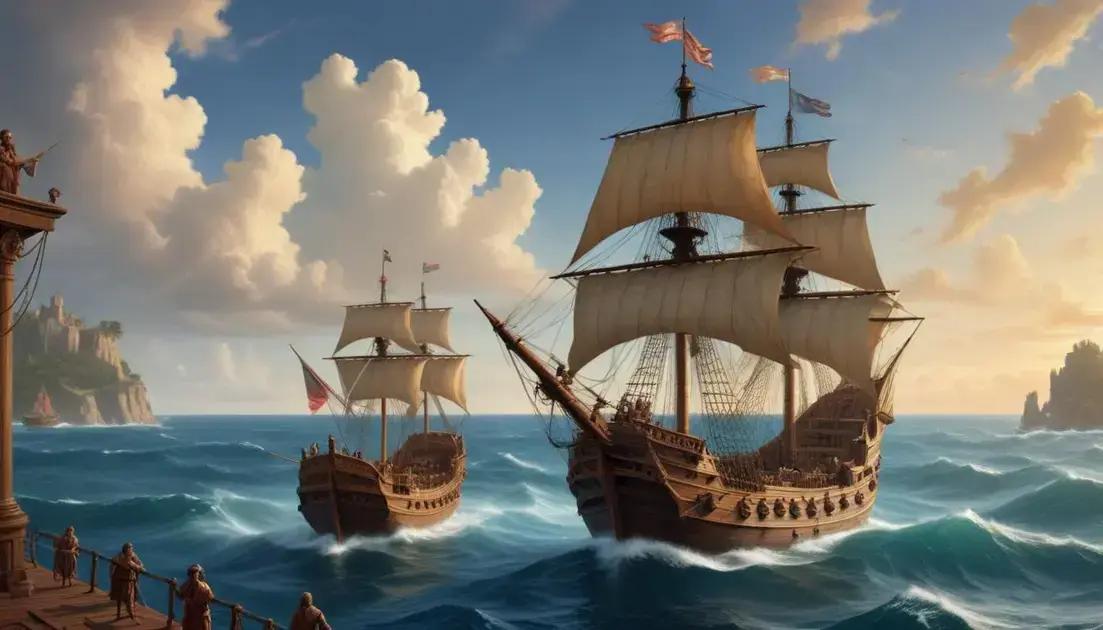
Many people view Columbus as an explorer. He sailed across the Atlantic Ocean and reached land in 1492. This was a moment that changed the world. However, it is necessary to know what this meant for those who already lived there.
The Impact on Native Populations
When Columbus arrived, he met native tribes. His presence led to big changes for these communities. Sadly, many faced violence, disease, and loss of land. Understanding their stories is crucial when we discuss Columbus.
The Debate Over His Legacy
Some say Columbus should be celebrated as a hero of exploration. Others argue that his actions had devastating effects. This debate continues in schools and communities today. We must allow room for discussion and different views.
Today’s Perspective
In recent years, many have reexamined Columbus’ role in history. Some cities have changed holiday names or removed statues. This reflects a growing awareness of the importance of recognizing all historical figures’ impacts.
Columbus’ legacy teaches us important lessons about history. It’s a chance to learn about how one person’s actions can have far-reaching effects. We must engage with this legacy thoughtfully as we move forward.
Cultural Interactions
Cultural interactions changed the world during Columbus’ journeys. When he arrived in the New World, he met diverse communities. Each of these groups had their own unique customs and ways of life.
Meeting Different Peoples
Columbus and his crew first encountered indigenous tribes. These groups had rich traditions and deep knowledge of their lands. Their ways of living were fascinating and varied from what Columbus knew.
Exchange of Goods and Ideas
One major aspect of cultural interaction was the exchange of goods. Columbus brought European items like metal tools and livestock. In return, he saw crops such as maize and potatoes, which were unknown in Europe.
Cultural Misunderstandings
While some interactions were positive, many stemmed from misunderstandings. Columbus and his men often failed to grasp local customs. This led to conflicts and mistrust, affecting relationships between cultures.
Lasting Influences
Christianity was another important part of Columbus’ mission. He aimed to convert indigenous peoples. This cultural push introduced many native groups to new beliefs and practices.
Overall, cultural interactions during this time shaped histories. They brought both challenges and gifts. The blending of cultures continues to affect us today, reminding us of our shared human experience.
Economic Impact
The economic impact of Columbus’ voyages was significant in many ways. His journeys opened new trade routes that connected Europe to the Americas. This led to a big increase in trade and commerce.
New Resources and Wealth
Columbus discovered valuable resources in the New World. These included gold, silver, and various crops. European nations raced to claim these riches. This competition greatly changed economic landscapes.
Influence on European Markets
As new goods flowed into Europe, markets started to shift. Items like tobacco, sugar, and potatoes became popular quickly. These products not only changed diets but also boosted economies.
Impact on Labor and Trade
Columbus’ journeys also affected labor systems. To meet the demand for resources, many Europeans turned to slavery. This led to the tragic enslavement of countless indigenous people and Africans.
Long-Term Economic Effects
The economic impact of Columbus’ voyages still resonates today. Many economies in the Americas grew out of these early interactions. The influx of wealth transformed societies and led to new political powers.
This history reminds us that exploration has both positive and negative consequences. Understanding these effects helps us learn about our interconnected world.
Historical Controversies
Historical controversies surrounding Columbus are vast and complex. Many people debate whether he should be celebrated or criticized. These discussions are important because they shape our understanding of the past.
The Debate Over Discovery
Some view Columbus as the discoverer of America. Others argue that this claim overlooks the native peoples who lived there long before him. Their societies and cultures existed for centuries.
Acts of Violence and Colonization
Columbus’ journeys led to violent encounters with indigenous groups. His actions often resulted in harsh treatment and suffering for these peoples. Critics say this makes him a villain in history.
Changing Perspectives Over Time
How we view Columbus has changed over the years. Early accounts focused on his bravery and discoveries. Today, many emphasize the negative consequences of his voyages. This shift reflects a broader effort to recognize multiple perspectives.
Modern Reactions
Many places no longer celebrate Columbus Day. Instead, they have opted for Indigenous Peoples’ Day. This change highlights the importance of honoring those affected by colonization.
These controversies remind us that history isn’t black and white. It’s essential to revisit historical narratives as we learn more about the past.
Modern Perceptions
Modern perceptions of Columbus are very different from the past. Today, people widely discuss his legacy. Some view him as a hero, while others see him as a controversial figure.
Changing Narratives
In the past, Columbus was often celebrated for his discoveries. Schools taught children about his brave voyages. Now, we also talk about the negative impacts on native peoples.
The Role of Education
Education plays a big part in shaping how we see Columbus. More classes focus on the experiences of indigenous people. This helps students understand the full story of colonization.
Public Opinion Trends
Public opinion has shifted significantly. Many cities have replaced Columbus Day with Indigenous Peoples’ Day. This change shows a new respect for the cultures that suffered due to colonization.
Media Influence
Media also shapes modern views. Movies, books, and articles discuss Columbus’ actions. These stories often highlight both sides of his legacy, encouraging viewers to think critically.
As we explore modern perceptions, we recognize that history is complex. Learning from different viewpoints helps us create a better understanding of the past.
Conclusion
In conclusion, Columbus’ legacy is a complex mix of discovery and controversy. His voyages opened new worlds but also led to suffering for many indigenous peoples. Today, we can learn from these histories and acknowledge all sides of his impact.
As we think about Columbus, it’s vital to explore both the achievements and the consequences of his actions. Modern perspectives remind us to respect diverse histories and voices. By understanding this full story, we can appreciate our shared past while honoring those affected by it.