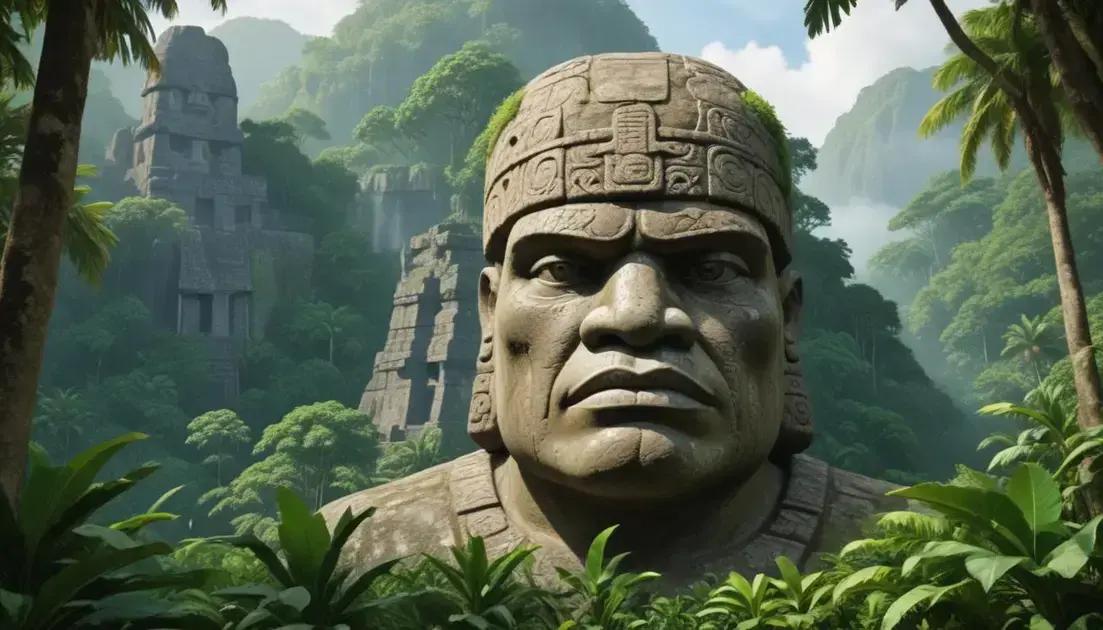
Cortez and the fall of the Aztecs
The tale of Cortés and the fall of the Aztec Empire reveals how ambition and military strategy shifted power dynamics in the Americas. As Cortés sought wealth and glory, he formed alliances with local tribes, leading to the Aztecs’ downfall. The introduction of European diseases further weakened indigenous populations, drastically affecting their society. This historical event highlights the consequences of conquest and serves as a reminder of the need for respectful cultural interactions.
The tale of Cortes and the Aztecs is not just about conquest; it’s a story of ambition and tragedy that changed a continent forever…
The Clashing Forces: Cortes and the Aztec Empire
The clash between Hernán Cortés and the Aztec Empire was a pivotal moment in history. It marked the beginning of a new era in the Americas. Cortés, a Spanish conquistador, arrived in Mexico in 1519. He aimed to explore and conquer the region. The Aztecs, led by Emperor Moctezuma II, were a powerful civilization. They had a rich culture and advanced society.
The first meeting between Cortés and Moctezuma set a tense stage. Moctezuma welcomed Cortés, believing he was a returning god. However, that belief quickly turned into a nightmare for the Aztecs. With the help of disease and local allies, Cortés planned to overthrow the Aztecs.
Cortés’ Strategy and Ambition
Cortés was ambitious. He wanted gold, land, and fame. He gathered a small but determined group of soldiers. They faced many challenges, including hostile tribes and harsh conditions. Despite this, their motivation never faltered. They sought glory and riches in the New World.
The Role of Disease
Disease played a crucial role in the conquest. The arrival of Europeans brought new diseases to the native populations. Many Aztecs died from smallpox and other illnesses. This weakened their defenses significantly. It was a tragic blow that changed the power balance in Mexico.
Local Allies
Cortés made important alliances with local tribes. The Tlaxcalans were among them. They saw the Aztecs as oppressors and welcomed Cortés. These alliances provided critical support in battles. They were essential to Cortés’ success during the conquest.
The combination of ambition, disease, and strategic alliances created a perfect storm for the Aztec Empire. It ultimately led to its downfall. Cortés and his men faced incredible odds, but they changed the course of history in just a few years. By 1521, the Aztec Empire had collapsed, and a new chapter began in the Americas.
Impact of Disease on the Indigenous Population
The impact of disease on the indigenous population was devastating. When Europeans arrived, they brought diseases like smallpox. These illnesses were new to the native peoples. They had no immunity to fight them off. As a result, many indigenous people became very sick or even died.
Smallpox was particularly deadly. It spread quickly among populations. Whole communities were affected. The death toll was immense, with some estimates claiming that up to 90% of the population could perish.
Besides smallpox, other diseases like measles and influenza also took a toll. The combined effects of these diseases weakened societies. Many tribes lost leadership and traditional ways of life.
Loss of Culture and Language
The loss of life due to disease also meant a loss of culture. With fewer people, languages began to fade. Stories and traditions were lost, as elders passed away without passing down their knowledge.
Social Disruption
This health crisis caused major social disruption. Families were torn apart, and tribes struggled to find their way. Relationships between tribes changed as well. Some tribes sought alliances, while others became adversaries.
In summary, the diseases brought by Europeans greatly affected indigenous populations. It wasn’t just about sickness; it changed the course of history for many communities. The effects are still felt today, as descendants look to preserve their culture and language.
Ambition and its Consequences
Ambition can drive people to achieve great things, but it often comes with consequences. Hernán Cortés was a man of great ambition. He wanted to make a name for himself in the New World. His desire for gold and glory led him to challenge the mighty Aztec Empire.
Cortés’ ambition fueled his every move. He gathered a small group of men and set sail for Mexico. They faced dangers like harsh weather and hostile territories. But their hope for wealth and fame kept them going.
Moral Choices
However, ambition can cloud judgment. Cortés made choices that hurt many people. He allied with tribes who disliked the Aztecs, but this caused conflicts. His actions led to bloodshed and suffering for both the Aztecs and his allies.
The Cost of Glory
Cortés did achieve his goal. He conquered the Aztecs and claimed riches. But, at what cost? The destruction of a culture and a way of life is a heavy price to pay. Ambition brought him success but also guilt and devastation.
In the end, the consequences of ambition can change lives forever. Cortés’ story is a reminder of how ambition, while powerful, can lead to unexpected and tragic outcomes.
A Shift in Power Dynamics
The arrival of Cortés in Mexico caused a major shift in power dynamics. Before he arrived, the Aztec Empire was strong and influential. Their society was rich in culture and power. But when Cortés landed, everything changed.
Cortés allied with local tribes who were enemies of the Aztecs. This alliance weakened the Aztec position. The Tlaxcalans, for example, had suffered under Aztec rule. They saw an opportunity to defeat their oppressors.
Military Strategy
Cortés used clever military strategies. He took advantage of the Aztecs’ surprise and unpreparedness. By using cannons and horses, he created chaos among the Aztec forces.
The Fall of the Aztec Empire
As the battle raged, the power quickly shifted. The unification of disparate tribes against the Aztec Empire was key. With each victory, the Aztecs lost more power and influence. By 1521, Cortés had successfully conquered the Aztec Empire.
This shift did not just affect the Aztecs. It changed the landscape of the Americas. European powers began to see the potential for conquest and colonization in many regions. The balance of power had shifted, and history would never be the same.
Conclusion
In conclusion, the story of Cortés and the fall of the Aztec Empire shows us how ambition and strategy can change the course of history. The shift in power dynamics changed not just Mexico but also the Americas. Diseases, alliances, and military tactics all played crucial roles in this transformation.
Understanding these events helps us see the impact of conquest on indigenous cultures. The consequences were profound and lasting. As we reflect on this history, it’s important to recognize the lessons learned. The balance of power can shift quickly, and the effects can ripple through generations. History teaches us to appreciate different cultures and the importance of respectful interactions.