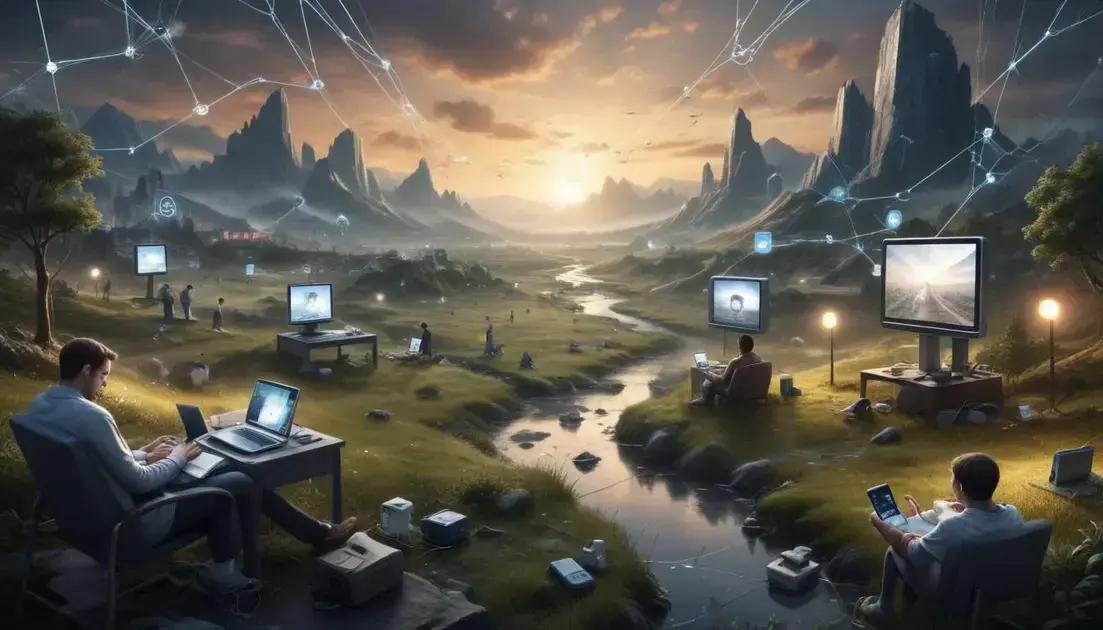
Digital Revolution: how technology rewired society
The Digital Revolution has significantly transformed communication, work environments, and identity in today’s society. Key trends include the rise of remote work, the impact of social media, and advancements in artificial intelligence. Technologies like 5G and virtual reality are shaping future interactions and experiences. Embracing these changes can enhance our daily lives and improve how we connect with one another.
Digital Revolution reshaped our world in ways we could never have imagined. From how we communicate to how we view ourselves, technology plays a pivotal role. Ready to explore this journey? Let’s dive in!
Understanding the Digital Revolution
The Digital Revolution has changed our world in so many ways. It isn’t just about the gadgets we use. It’s about how these tools shape our lives.
What is the Digital Revolution?
Simply put, the Digital Revolution refers to the shift from analog technologies to digital ones. This includes computers, smartphones, and the internet. These innovations opened new doors for communication and work.
How Has It Changed Communication?
Before technology advanced, we relied on phones or letters to connect. Now, we have video calls, social media, and instant messaging. This helps us stay in touch with family and friends, no matter where they are. It makes sharing ideas easier and faster.
Impact on Work Life
Jobs have evolved too. Many people now work remotely, thanks to digital tools. Tasks that used to take hours can be done in minutes. Teams can collaborate online, sharing files and ideas instantly.
Shaping Identity
Our identities are also affected. We present parts of ourselves online that can be different from our real lives. This creates communities but can lead to issues like online bullying or identity theft.
Looking Ahead
The Digital Revolution continues to change as technology grows. Artificial intelligence, for example, is starting to play a big role in our daily lives. It’s important to stay informed on these changes and how they affect us.
Impact of Technology on Communication
The impact of technology on communication is huge. It has changed how we connect with others. Gone are the days of waiting for letters. Now, we can share news instantly.
Instant Messaging
With instant messaging apps, friends and family can chat anytime. These tools let us send texts, photos, and videos easily. It feels like we’re talking face to face, even if we’re miles apart.
Social Media
Social media has transformed how we share our lives. Platforms like Facebook and Instagram let us update our friends on our daily activities. We can like, comment, and interact with each other in real-time.
Video Calls
Video calls have made distant communication more personal. We can see loved ones while talking. Apps like Zoom and Skype bring people together, helping bridge the gap created by distance.
Information Sharing
Technology has also made information sharing quick and easy. News spreads faster than ever through social media and websites. We have access to information about anything within seconds.
Challenges of Digital Communication
Despite the benefits, there are challenges. Miscommunication can happen easily in texts or posts. It’s hard to read emotions without voice or body language. Cyberbullying and privacy concerns are also issues to think about.
Changes in Work Environments
The changes in work environments are significant due to technology. Many people now work from home or in flexible spaces. This shift offers more freedom and different ways to get work done.
Remote Work
Remote work has become common. With the internet, employees can connect from anywhere. They can attend meetings and collaborate on projects without being in the same place.
Flexible Hours
Flexible hours are another big change. Workers can set their schedules to fit their lives better. This can lead to higher job satisfaction and productivity.
Collaboration Tools
Technology offers tools that help teamwork. Apps like Slack and Trello make it easy to share ideas and track progress. These tools keep everyone on the same page, even when they are apart.
Digital Skills
As work changes, so do the skills needed. Employees must learn new digital tools. This helps them adapt and stay competitive in the job market.
Work-Life Balance
Technology also influences work-life balance. With the lines blurred between work and home, it’s important to set boundaries. Taking breaks and unplugging from work improves mental health.
The Evolution of Identity in the Digital Age
The evolution of identity in the digital age is fascinating. With technology, how we see ourselves has changed. People can express themselves in new and creative ways online.
Online Profiles
Social media lets us create profiles that showcase our interests. We choose what to share and how we want to be seen. This gives us control over our identity.
Virtual Communities
Digital platforms help build communities. People connect over shared interests, hobbies, or beliefs. These online communities often form bonds that might not happen offline.
Impact of Anonymity
Anonymity is a big part of online identity. Some feel safer hiding behind a screen. This can lead to honest conversations but also opens doors to negative behaviors like trolling.
Identity Crisis
While technology offers freedom, it can cause identity crises. People might feel pressure to fit certain images found online. It’s easy to forget that online life isn’t always real life.
Finding Balance
It’s important to find balance between online and offline identity. Embracing our true selves helps us connect better with others. Being authentic online can lead to stronger, genuine relationships.
Future Trends in Technology
The future trends in technology are exciting and full of potential. As we look ahead, several key areas are emerging that promise to change our lives.
Artificial Intelligence
AI continues to grow in importance. It will help automate tasks and improve decision-making. From self-driving cars to personal assistants, AI is becoming part of daily life.
Virtual Reality and Augmented Reality
Virtual reality (VR) and augmented reality (AR) are changing how we interact with the world. These technologies allow us to experience new environments and enhance real-life experiences. They’re used in gaming, education, and training.
5G Technology
5G technology is the next step for mobile networks. It offers faster speeds and better connectivity. With 5G, downloading videos or streaming games becomes seamless. This opens new possibilities for smart devices and applications.
Blockchain
Blockchain technology is more than just cryptocurrency. It provides secure, transparent ways to manage data. Many industries are exploring how blockchain can improve security and traceability.
Health Tech
Health technology is rapidly advancing. Wearable devices and telemedicine are making healthcare more accessible. Patients can monitor their health and consult doctors from home, leading to better outcomes.
Conclusion
In conclusion, the Digital Revolution has transformed our everyday lives. It has changed how we communicate, work, and see ourselves. Technology like artificial intelligence and social media plays a big role in shaping our identities and interactions.
As we look to the future, trends like 5G and virtual reality promise to bring even more changes. Adapting to these new technologies can create exciting opportunities for all of us. Overall, embracing these advancements helps us connect better and improves our lives in many ways.