Dystopias of Fear: Orwell, Huxley, and Political Control
Dystopian literature teaches valuable lessons about political control and individual freedoms. Authors like Orwell and Huxley illustrate the dangers of unchecked power, warning readers about surveillance, censorship, and propaganda. These themes remind us to think critically, cherish our rights, and unite as communities against oppression. By reflecting on these insights, we can recognize similar patterns in today’s society and work towards a more equitable future.
Dystopia has become an unsettling theme in literature, revealing how fear can shape society. As we peel back the layers, we encounter chilling insights from great minds like Orwell and Huxley. Ready to explore?
The predictions of George Orwell
George Orwell had an extraordinary ability to predict the future. He imagined a world where total control was possible. His book, 1984, paints a grim picture of a society dominated by surveillance and oppression.
In Orwell’s vision, the government constantly watches its citizens. There are cameras everywhere, and people’s thoughts are monitored. This idea feels very close to our reality today, doesn’t it?
Orwell introduced terms like “Big Brother” and “Newspeak”. These terms represent the loss of privacy and the manipulation of language. When language is twisted, thoughts are controlled. This is what Orwell warned us about.
He knew that silence can be dangerous. When people stop questioning their leaders, that’s when true power emerges. The message is clear: stay alert and think for yourself. Orwell’s predictions serve as a reminder to watch for signs of control.
His work continues to inspire many. It urges us to fight for our freedoms and to never take them for granted. Orwell’s legacy is a call to remain critical of authority and aware of our surroundings.
Aldous Huxley’s warnings
Aldous Huxley had a unique view of the future. In his book, Brave New World, he showed us a world where happiness was controlled. People lived in a society filled with pleasure, but it came at a cost.
Huxley warned us about the dangers of technology. He believed that relying too much on it could harm our humanity. In his story, people take a drug called soma to feel good. It helps them forget their problems, but it also keeps them from thinking deeply.
His message is powerful: true happiness shouldn’t come from escaping reality. Huxley wanted us to question the easy paths we take. Are we losing our ability to think for ourselves?
Another warning he shared was about conformity. In his world, everyone was expected to behave the same way. Individuality was lost for the sake of stability. Huxley shows how important it is to celebrate our differences.
His ideas remind us to stay aware of our society. As we enjoy the benefits of modern life, we should also ask critical questions. Are we trading freedom for comfort?
Surveillance and its impact on society
Surveillance has become a common part of our lives. From security cameras to smartphones, we are always being watched. This constant monitoring can change how we behave.
Many people feel uneasy knowing they’re under surveillance. It can make us hesitate to speak freely. When people worry about being watched, trust in society can suffer.
Surveillance affects our daily choices, too. For example, we might avoid certain activities or places if we think we’ll be recorded. This impacts our freedom to express ourselves openly.
On the flip side, surveillance can increase safety. Many argue that cameras prevent crime. They help in solving cases and keeping communities safe. But the balance between safety and privacy is a tricky one.
As surveillance technology grows, so do concerns about its power. Who has access to our data? How is that information used? These questions deserve our attention.
We must be aware of the effect of surveillance on our lives. It’s important to think about how it shapes our society and our freedom. Keeping a balance between safety and privacy is crucial as we move forward.
The role of political control in dystopia
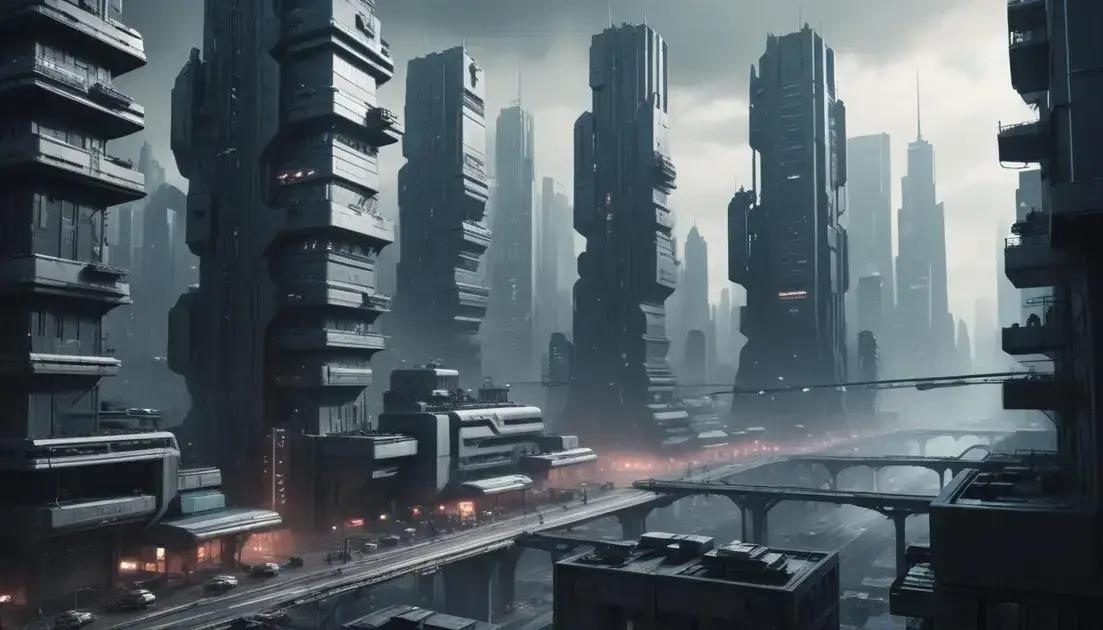
Political control is a key theme in dystopian literature. It shapes how society functions and affects everyone’s lives. In these stories, governments often use fear and manipulation to maintain their power.
One common tactic is propaganda. Governments spread false information to control thoughts and beliefs. This keeps people from questioning their leaders. When the truth is hidden, it’s easier to manipulate the masses.
Another method is censorship. Dystopian societies often ban books, films, and art that challenge their authority. By limiting access to different ideas, they prevent people from thinking critically.
Surveillance plays a big role, too. Many dystopian settings feature constant monitoring of citizens. This creates a sense of fear, making people less likely to rebel against unfair rules.
These forms of control show us the potential dangers of unchecked power. They serve as warnings about what could happen if we don’t stay vigilant. Dystopian fiction encourages us to question authority and protect our freedoms.
Understanding the role of political control helps us see parallels in our world. It reminds us to value free speech and the importance of questioning our leaders.
Lessons from literature in today’s world
Lessons from literature are more relevant today than ever. Stories about dystopia and control help us understand our world. They remind us to stay alert to threats to our freedom.
Books like 1984 and Brave New World show what can happen when power goes unchecked. They warn us about losing our rights and individuality. By reading these stories, we can recognize similar patterns in our society.
One important lesson is the value of critical thinking. Literature encourages us to question everything around us. It’s vital to analyze information rather than accept it blindly. This helps us avoid manipulation and propaganda.
Another key takeaway is the need for community. Many stories highlight the strength of people when they come together. Supporting one another can help us resist oppressive systems.
Finally, literature teaches us about empathy. Understanding different perspectives can promote compassion and acceptance. It reminds us to listen and engage with others, fostering a more inclusive society.
By reflecting on these lessons, we can build a better future. Dystopian literature serves as a guide, reminding us to protect our freedoms.
Conclusion
In conclusion, the themes of dystopia and political control in literature provide important lessons for our lives today. The warnings from writers like Orwell and Huxley remind us to stay aware of how power can affect our freedom. Understanding these lessons can help us recognize threats to our rights.
Importantly, literature encourages us to think critically and embrace diverse perspectives. By doing so, we foster a stronger community that values freedom and individuality. As we reflect on these teachings, we become more equipped to protect our rights and improve society.
Ultimately, literature serves as both a mirror and a guide. It reflects our current issues while offering insights for a better future. Let’s keep these lessons close as we navigate our world today.