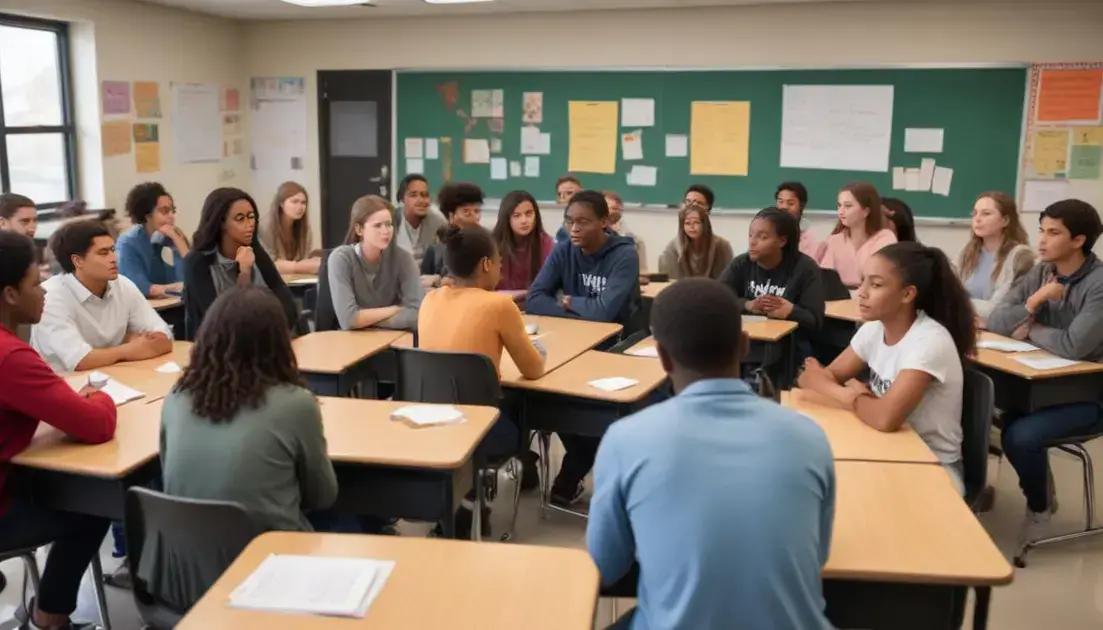
Education as an Ideological Weapon
The future of education and ideology is evolving with advancements in technology and a global mindset. Schools are increasingly focusing on critical thinking and inclusivity, which encourages open discussions about diverse beliefs. By embracing digital tools and fostering a culture of respect, education aims to empower students as informed citizens who can engage thoughtfully with societal issues. This approach not only helps students develop personal beliefs but also promotes a more understanding and empathetic society.
Education plays a crucial role in shaping how we think and perceive the world around us. But what if it’s utilized as a tool for ideological manipulation? Let’s explore this intriguing concept together!
Understanding Education’s Role in Ideology
Education plays a big role in shaping how we see the world. It’s not just about facts and figures. Schools teach values and beliefs that influence our understanding of life. Understanding education’s role in ideology helps us see why some ideas are accepted while others are not.
How Schools Influence Our Beliefs
Teachers and school programs can sway students to embrace certain views. This happens through the subjects they teach and the way they discuss issues. For example, history classes might focus on specific events that promote a certain ideology.
The Power of Curriculum
The curriculum is more than just a list of subjects. It’s a tool that can shape attitudes. When certain topics are emphasized, students build their understanding around them. This can lead them to support specific beliefs or values.
Case Studies of Ideological Influence
Consider how education systems in different countries promote certain ideologies. In some places, students learn about national pride. In others, the focus might be on global citizenship. These choices impact how young minds view their role in society.
Critical Thinking and Its Importance
Teaching kids to think critically is key. When students learn to analyze and question what they’re taught, they can form their own beliefs. This helps them become balanced thinkers who understand multiple perspectives.
The Future of Education and Ideology
The landscape of education is changing. With more resources available, educators can diversify how they present ideas. This can lead to richer discussions and a better understanding of various ideologies.
As we think about education’s impact on society, it’s important to recognize its power. By exploring these themes, we can learn how education shapes our beliefs and the world around us.
Competing Worldviews in Schools
In schools, students encounter many different worldviews. These perspectives can shape how they see the world. Competing worldviews in schools can create vibrant discussions and sometimes, conflicts.
Understanding Competing Perspectives
Every student comes from a unique background. Their family, culture, and experiences influence their beliefs. In the classroom, these differences can lead to diverse opinions on topics like history, science, and ethics.
The Role of Teachers
Teachers play a significant part in guiding discussions. They can help students explore different views without pushing their own beliefs. A skilled teacher fosters an open environment where everyone feels safe to share and debate.
Benefits of Diverse Opinions
Having various viewpoints encourages critical thinking. Students learn to question and analyze ideas. This skill is vital for their futures as informed citizens who can engage in society.
Challenges to Address
While classroom discussions can be beneficial, they can also be tricky. Some students may feel uncomfortable sharing their beliefs. It’s essential to manage these conversations carefully to ensure respect and understanding among all students.
Creating a Balanced Curriculum
The curriculum must include a range of perspectives. This helps students learn about the world in a more rounded way. When teachers introduce various viewpoints, students can grasp complex issues better.
Ultimately, discussing competing worldviews in education is crucial. It helps students develop their own beliefs while understanding others. By embracing these differences, we can build a more inclusive society.
The Impact of Education on Citizens’ Beliefs
Education plays a big role in shaping citizens’ beliefs. What we learn in school affects how we see the world. The impact of education on citizens’ beliefs is profound and long-lasting.
How Education Influences Beliefs
From a young age, students absorb information from teachers, books, and peers. These influences shape their opinions on various topics, from politics to personal values.
Curriculum Choices Matter
The subjects taught in schools can promote specific beliefs. For instance, discussing social justice in class can encourage empathy and critical thinking. This helps students connect with broader community issues.
Role of Teachers and Peers
Teachers are key figures in a student’s educational journey. Their beliefs can influence how they present topics. Likewise, classmates can spark debates and discussions that challenge or reinforce personal views.
Long-Term Effects on Society
Education sets the foundation for how citizens engage with society. Well-informed individuals are more likely to participate in community activities and understand civic duties. This promotes a healthier democracy.
Importance of Critical Thinking
Encouraging critical thinking helps students form their own beliefs. Schools should focus on teaching students how to analyze information and consider various viewpoints. This skill is essential in today’s complex world.
In sum, education profoundly impacts how citizens think and act. By teaching diverse perspectives and promoting critical thinking, we can foster a more informed and engaged society.
Case Studies: Ideological School Systems
Case studies of ideological school systems show how education can shape beliefs. In different countries, schools promote various ideologies. These differences impact how students think and act in society.
Example 1: Finland’s Education System
Finland is known for its unique approach. The focus is on equality and inclusivity. All students have access to quality education, regardless of background. This promotes a sense of community and respect for diversity.
Example 2: China’s Curriculum
In China, the education system emphasizes discipline and national pride. Students learn about their country’s history and achievements. This fosters loyalty and unity but may limit critical thinking.
Example 3: The United States
The U.S. has a diverse educational landscape. Different states have varying curriculums, leading to a mix of ideologies. Some focus on critical thinking, while others may lean towards traditional values.
Comparing Approaches
These case studies reveal how schools reflect and instill societal values. By examining different systems, we see how ideology influences education. Schools not only teach knowledge but also shape identities.
Understanding these examples helps us recognize the broader implications of education. Each system has strengths and weaknesses that affect students’ worldviews.
The Future of Education and Ideology
The future of education and ideology is changing fast. As technology advances, so do the ways we learn. The future of education and ideology will shape our communities and societies.
Embracing Technology
Classrooms are becoming more digital. Online learning and educational apps are now widely used. This gives students access to a wealth of information that shapes their beliefs.
Global Perspectives
With the internet, students can connect globally. They can learn from diverse voices and cultures. This exposure encourages open-mindedness and empathy towards different worldviews.
Focus on Critical Thinking
The future of education should emphasize critical thinking skills. Teaching students to question ideas and analyze information is key. This will help them navigate the complex world around them.
Inclusive Education
Future education must also be inclusive. It should cater to different learning styles and backgrounds. This ensures that all students feel valued and heard in the classroom.
Balancing Ideologies
Schools will need to balance various ideologies in their curriculum. This balance can encourage healthy debates and discussions. It allows students to explore and form their own beliefs.
As education evolves, it’s crucial to adapt and embrace these changes. A focus on technology, global views, and critical thinking will create a more informed generation.
Conclusion
In conclusion, the future of education and ideology is bright and full of possibilities. As we embrace technology, students will have new ways to learn and connect. This makes education more inclusive and diverse.
By focusing on critical thinking, schools can prepare students for the challenges ahead. Encouraging open discussions about different beliefs will help students develop their own views while respecting others.
Ultimately, a well-rounded education that values different ideologies will create informed citizens. These citizens will be ready to engage positively in society, shaping a better future for everyone.