Emancipation Proclamation: Freedom Declared
The Emancipation Proclamation, issued by President Abraham Lincoln on January 1, 1863, was a pivotal document in the American Civil War. It declared the freedom of enslaved individuals in Confederate states, reshaping the conflict into a struggle for freedom and human rights. While it didn’t free all enslaved people, the Proclamation empowered many to escape and join Union forces. Its legacy is profound, influencing civil rights movements and continuing the fight for equality and justice in America today.
Emancipation Proclamation is often seen as a turning point in American history. But what does it truly signify for freedom and civil rights? Let’s dive into its profound implications!
Introduction to the Emancipation Proclamation
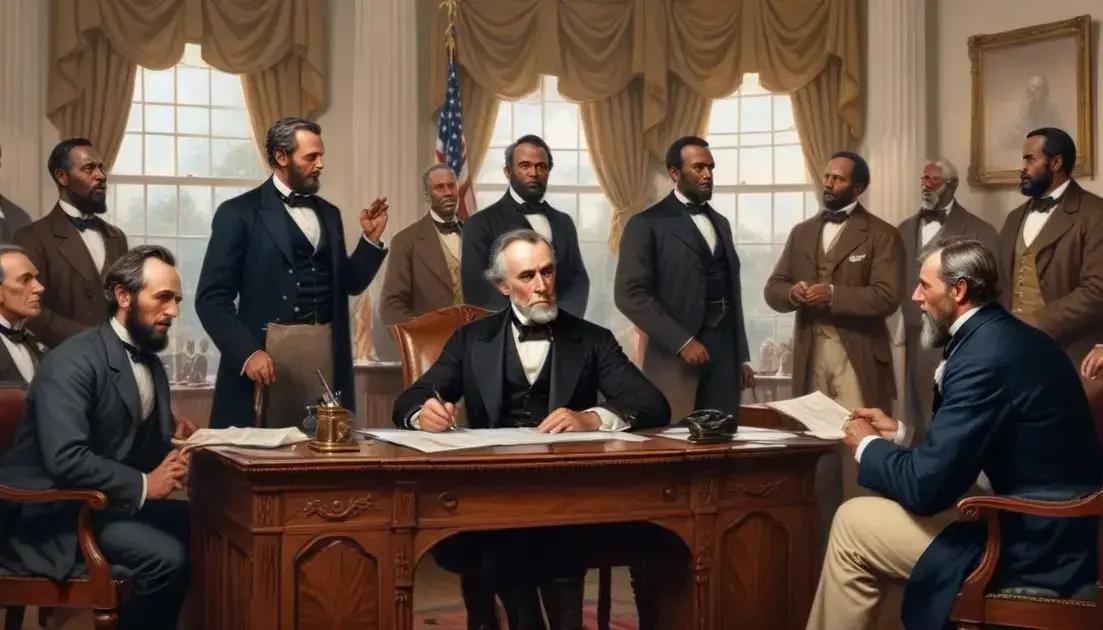
The Emancipation Proclamation was issued on January 1, 1863. It was a crucial moment in America’s fight during the Civil War. President Abraham Lincoln signed it, and it aimed to free enslaved people in Confederate states. The Proclamation marked a turning point in the war and changed how Americans thought about freedom.
This order did not free all enslaved people, but it symbolized hope. It helped many enslaved people escape and join the Union Army. By fighting for their freedom, they played a key role in reshaping America’s future.
Lincoln’s decision was about more than just slavery. It aimed to weaken the Confederacy and boost the morale of Union soldiers. The Proclamation made the end of slavery part of the Union’s goal in the war. This shift made people see the Civil War as a fight for freedom.
In many ways, the Emancipation Proclamation laid the groundwork for future civil rights movements. It showed that the struggle for freedom was connected to America’s identity. It was a bold step that changed the course of history.
Key Historical Context
The Emancipation Proclamation happened during the American Civil War. This war started in 1861 and was mostly about slavery. The Southern states wanted to keep enslaving people, while the Northern states aimed to abolish it.
Before the Proclamation, many in the North were fighting mainly to keep the Union together. But as the war progressed, the goal shifted. People began to see that ending slavery was vital for true freedom.
Abraham Lincoln, who was president at the time, felt the weight of this decision. He understood that freeing enslaved people would help the Union cause. It would weaken the Confederate states and boost the morale of Union troops.
Lincoln faced pressure from abolitionists and his own party to take a stand against slavery. Many believed that freeing enslaved individuals would pave the way for a better America. The Proclamation was a bold step toward that vision.
This historical context makes the Emancipation Proclamation more than just a document. It’s a symbol of a nation striving for change. It marked the beginning of a new era in American history.
Immediate Effects
The Emancipation Proclamation had immediate effects on the Civil War and society. First, many enslaved people in the Confederate states learned about their freedom. This news spread quickly, and many took action to escape.
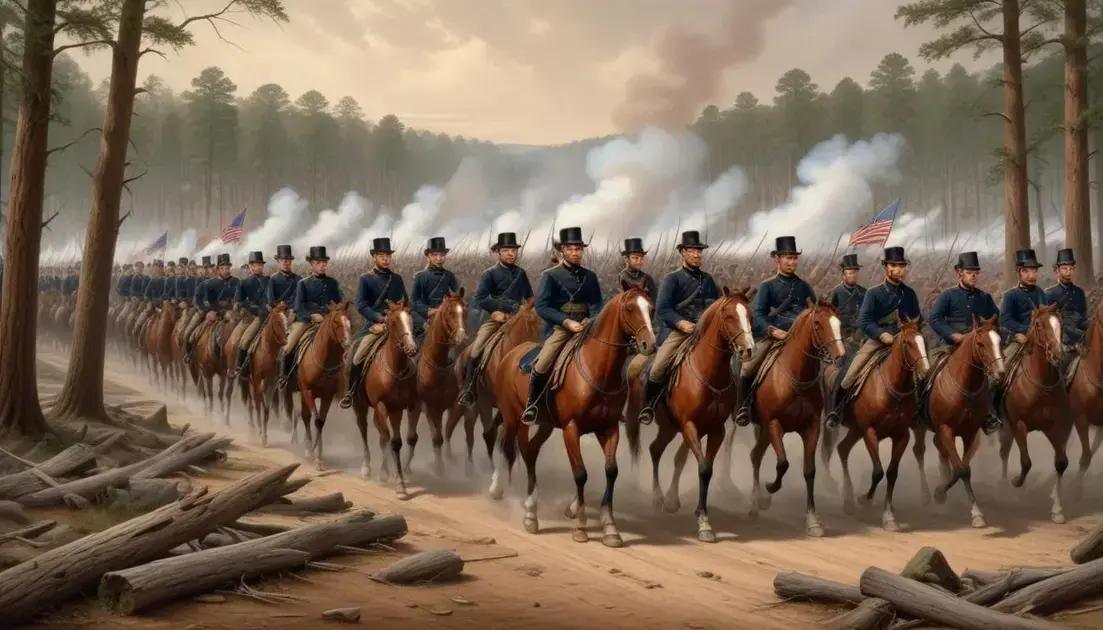
As a result, thousands of formerly enslaved people flocked to Union lines. They sought safety and new opportunities. Their arrival helped the Union Army grow stronger. These new recruits added manpower and diverse skills to the Northern forces.
The Proclamation also changed how the Union soldiers viewed their fight. Now, they weren’t just fighting to preserve the Union. They were fighting to end slavery as well. This purpose gave them extra motivation to win.
Moreover, the Proclamation put pressure on the Confederacy. It made the war about freedom and human rights, not just territory. This shift in focus made it harder for the South to gain support from European nations, which had strong anti-slavery sentiments.
These immediate effects helped set the stage for long-term changes. They fueled the fight for abolition and increased awareness about civil rights. The Emancipation Proclamation was a significant turning point for America.
Long-term Impact on Civil Rights
The Emancipation Proclamation didn’t just change things during the Civil War. It had lasting effects on civil rights in America. By officially stating that enslaved people were free, it set the stage for future equality movements.
After the Proclamation, the fight for full freedom continued. Many African Americans worked tirelessly for their rights. They sought not just freedom but also the right to vote, equal education, and better job opportunities.
This drive for equality led to significant changes in laws. The 13th Amendment, which abolished slavery, came in 1865. Later, the 14th and 15th Amendments aimed to secure citizenship and voting rights for African Americans.
In time, civil rights groups formed. They worked to challenge unfair laws and practices. Leaders like Frederick Douglass and Sojourner Truth emerged, advocating for justice and equality.
The impact of the Emancipation Proclamation is still felt today. It inspired generations to fight for civil rights. The struggle for equality continues, reminding us of the importance of freedom for all.
Conclusion: The Legacy of Freedom
The Emancipation Proclamation left a legacy that still influences America today. It marked a pivotal moment in the quest for freedom and equality. This document inspired many to seek justice and fight against oppression.
After the Proclamation, activists and ordinary people worked for civil rights. Their efforts led to significant changes in laws that aimed to protect the rights of all citizens. The fight for the right to vote and equal opportunities grew stronger.
As a symbol of hope, the Proclamation encouraged generations. It showed that freedom is worth fighting for. Each struggle for civil rights builds on what the Proclamation represented.
Today, we honor the legacy of freedom by remembering those who fought for it. Understanding history helps us see where we came from and where we need to go. The spirit of the Emancipation Proclamation lives on in our ongoing journey toward equality.
Conclusion
In conclusion, the Emancipation Proclamation was a milestone in the fight for freedom and equality in America. It not only changed the lives of many but also reshaped our nation’s future. The Proclamation inspired countless individuals to stand up for their rights and the rights of others.
As we reflect on this powerful moment, it’s important to recognize the ongoing journey toward justice. The legacy of the Proclamation encourages us to keep fighting against oppression and inequality. Each step forward is a testament to those who came before us.
By understanding the significance of the Emancipation Proclamation, we honor the struggles and sacrifices made for freedom. This legacy is a reminder that the quest for justice continues, and it requires our commitment to ensure a better future for all.