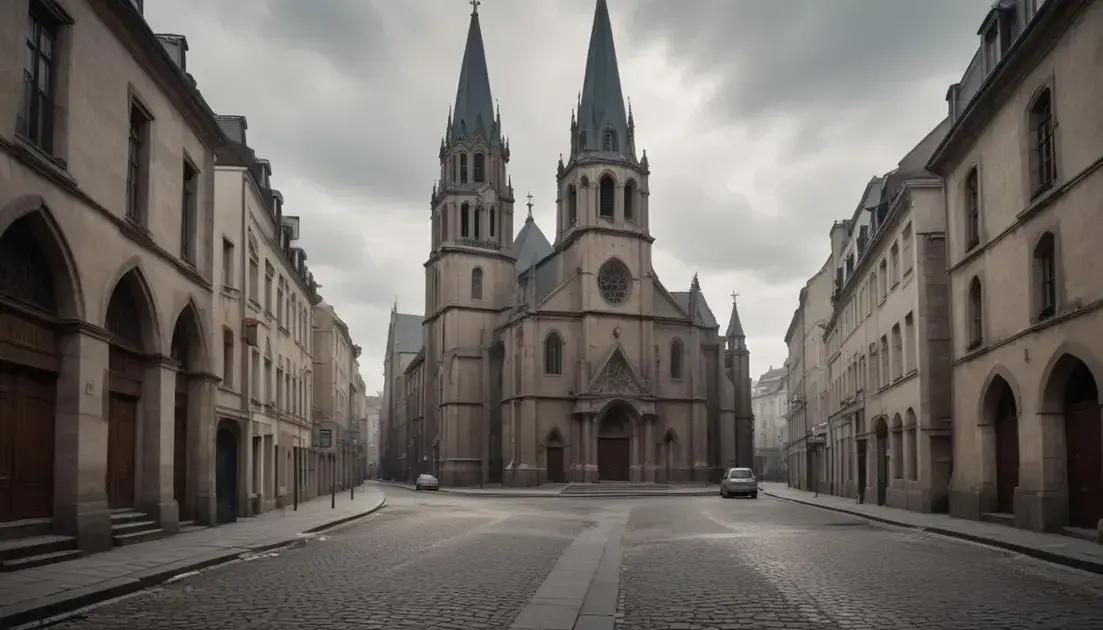
Europe without faith: the continent’s religious decline
The future of religion in Europe is shaped by cultural shifts towards skepticism and emerging spiritual trends. As traditional faith practices decline, individuals seek new forms of spirituality while technology enables greater access to religious resources. Interfaith dialogue is increasing as communities become more diverse. Religious institutions must adapt to these changes, focusing on community engagement and modern practices to remain relevant in an ever-evolving landscape.
Religious Decline in Europe is a fascinating subject that reveals how belief systems are evolving, raising questions about identity and community.
The Rise of Secularism in Europe
The rise of secularism in Europe is changing how people view religion. More and more individuals are identifying as non-religious or atheist. This shift affects everything from politics to culture.
What is Secularism?
Secularism means that religion and government are separate. In a secular society, laws and policies are made without religious influence. This idea is gaining ground in many European countries.
Reasons for the Shift
Several factors contribute to secularism’s rise. Many people are skeptical about traditional religious beliefs. Education and access to information also play vital roles. Younger generations tend to value science and reason over faith.
Impact on Society
As secularism grows, communities are changing. More public spaces are being created where religion is not a focal point. This trend leads to more diverse and tolerant societies.
Challenges Faced by Religious Institutions
Religious institutions are facing challenges as attendance declines. Many churches and temples struggle to engage with younger populations. Adapting to these changes is crucial for their survival.
Even with the rise of secularism, questions about morality and purpose persist. Many seek meaning beyond religion. This quest can lead to personal growth and community engagement.
Religious Institutions and Their Decline
Religious institutions are seeing a decline in membership across Europe. Many churches and mosques struggle to attract younger people. Traditional practices are fading as more choose secular lives.
Factors Behind the Decline
One big reason for this decline is changing values. Younger generations often question authority and tradition, including religious beliefs. They favor ideas based on personal experience and science.
Impact on Communities
The decline of religious institutions creates changes in community life. Places that used to be community hubs are now quiet. This can lead to feelings of isolation for some.
Response from Religious Leaders
Many religious leaders are trying to adapt. Some are introducing modern services to attract new members. Others focus on community service and social issues to stay relevant.
Finding New Ways to Engage
Some institutions create programs that appeal to a broader audience. Workshops on social issues or community events can help engage people. Using social media is also a smart way to connect with the community.
Despite the decline, many still find value in faith. It’s essential to recognize that the role of religion is evolving constantly. Understanding this evolution is key to staying engaged in the conversation.
Impact of Aging Population on Faith
The aging population in Europe is having a noticeable impact on faith. As people grow older, their relationships with religion can change. Many older adults turn to faith for comfort, while others drift away.
Growing Spiritual Needs
Older individuals often seek meaning in their later years. This can lead to a deeper connection with their faith. Religious communities can offer support and companionship, making them appealing.
Decline in Active Participation
While many older adults may identify with a religion, active participation often declines. Health issues and mobility challenges can make attending services difficult. This affects the vitality of religious institutions.
Changing Perspectives on Beliefs
Aging can bring changes in how people view life and their beliefs. Some may question their faith more as they face life’s challenges. Others may become more devoted, seeking solace in spirituality.
Role of Technology in Faith
Technology is playing a role in connecting seniors to faith. Online services offer opportunities for worship from home. This can help maintain a sense of community even when physical attendance isn’t possible.
As the population ages, understanding these dynamics is essential. Faith can adapt to meet the needs of an older generation, providing hope and meaning during twilight years.
Cultural Shift: From Faith to Skepticism
Europe is witnessing a cultural shift from faith to skepticism. More and more people are questioning traditional beliefs and practices. This change reflects broader social trends and individual experiences.
Factors Influencing Skepticism
Several factors are pushing people toward skepticism. One major factor is increased access to information. With the internet, anyone can explore different viewpoints easily.
Changing Attitudes Toward Religion
Many individuals now view religion as less relevant to daily life. People are shifting their focus to personal values and lifestyles. They often seek fulfillment outside religious teachings.
Impact of Education and Science
Education plays a significant role in this transition. As more people learn about science, they often find answers that conflict with traditional faith. This leads to a critical examination of old beliefs.
Rediscovering Spirituality
Despite rising skepticism, some still look for spirituality. Many seek meaning in new forms of personal growth rather than organized religion. Practices like mindfulness and meditation are gaining popularity.
Understanding this shift is important. It reveals how society is evolving and how beliefs are changing. Recognizing these trends can help foster discussions about faith and skepticism.
Future of Religion in Europe
The future of religion in Europe is uncertain and full of possibilities. As society evolves, so do beliefs and practices. Various factors will shape how religion is experienced in the coming years.
Emerging Spiritual Trends
Many people are exploring new forms of spirituality. This includes holistic practices and non-traditional beliefs. Interest in meditation and personal development is rising.
Interfaith Dialogue
As cultures mix, interfaith dialogue is becoming more important. People from different backgrounds are learning from one another. This can foster respect and understanding in diverse communities.
Influence of Technology
Technology will significantly impact how religion is practiced. Online services allow anyone to participate in worship from home. Live-streamed events can bring communities together, regardless of distance.
Adapting to Change
Religious institutions will need to adapt to stay relevant. Some may innovate to meet the needs of younger generations. Others will focus on community service to maintain their importance.
As these changes happen, people’s quest for meaning will remain. The relationship between faith and modern life will continue to evolve, reflecting society’s ever-changing landscape.
Conclusion
In conclusion, the future of religion in Europe is filled with change and opportunity. As society shifts, new spiritual paths are emerging. These paths often blend different beliefs and practices.
Technology will play a crucial role in how people connect with faith. Online platforms allow anyone to participate in meaningful ways. Meanwhile, the importance of community and interfaith dialogue will continue to grow.
Religious institutions must adapt to these changes to remain relevant. By embracing innovation and focusing on community needs, they can thrive in this evolving landscape. The relationship between faith and daily life will keep changing, reflecting the rich diversity of modern Europe.