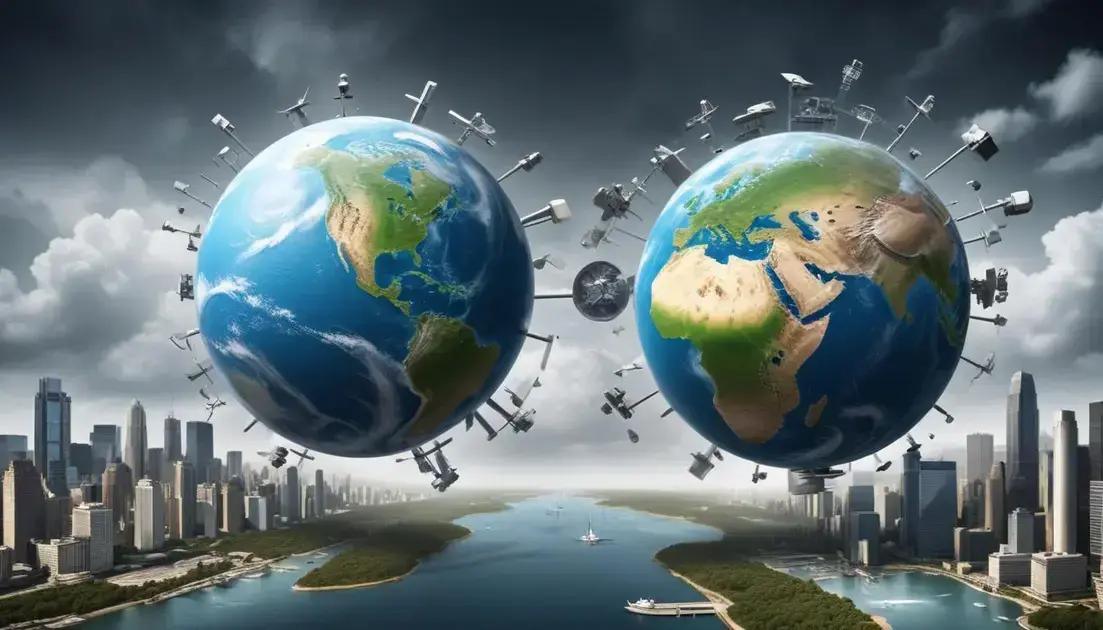
Globalization: from utopia to fracture
Globalization connects economies, cultures, and societies, leading to increased trade and cultural exchange. It has transformed economies by creating jobs and boosting competition but also increased inequality and presented challenges like climate change. As our world becomes more interdependent, cooperation among nations is essential for addressing shared issues and leveraging opportunities for growth. Understanding these dynamics is vital for navigating the complexities of modern life and fostering a more equitable future.
Globalization has come a long way from its optimistic beginnings, evolving into a narrative filled with contradictions and challenges. Have we moved from a utopian vision into a world of fractures?
The initial promise of globalization.
The initial promise of globalization was filled with hope and excitement. People believed it would bring countries closer together. Trade would thrive, and cultures would blend in beautiful ways.
Opportunities for Growth
Globalization aimed to create opportunities for many. Nations could share resources and ideas, making life better for everyone. For example, a small farmer in one country could access markets across the globe, selling their products.
Cultural Exchange
Another promising aspect was cultural exchange. People from different backgrounds could learn from each other. This not only enriched societies but also sparked innovation and creativity.
Getting Invested
Countries began to invest in each other, boosting their economies. Investment meant new jobs, improved technology, and better education. All of these changes made people hopeful about the future.
Working Together
Global challenges like climate change and health crises needed teamwork. Countries realized they had to collaborate. The shared goals brought an understanding of our interconnected world.
Despite the strong promise, the journey of globalization has not been smooth. Challenges emerged that tested its foundations. But, looking back, we can see where the initial dream of globalization began.
How globalization transformed economies.
Globalization transformed economies in big ways. It opened new markets and created new jobs. People could buy products from all over the world. This made shopping exciting and diverse.
Access to Global Markets
Companies gained access to global markets for their products. A local business could now sell overseas. This expanded their customer base and increased profits.
Boosting Competition
With globalization, competition became fierce. Businesses had to improve their services and prices. This led to better quality products for consumers. Everyone benefited from this competitive environment.
Job Creation and Challenges
Globalization created many jobs, especially in developing countries. Factories opened up, and more workers were needed. However, it also led to job losses in some areas, as companies moved production overseas for cheaper labor.
Economic Growth and Dependency
Many economies experienced growth. Countries relied on each other for resources and goods. This interconnectedness helped some nations thrive. But, it also made them vulnerable to global market shifts.
Despite its challenges, the overall impact of globalization on economies is significant. It reshaped how we trade, compete, and cooperate in the world.
The inequality implications of globalization.
Globalization has brought many changes, but it also increased inequality. While some countries thrived, others struggled to keep up. This gap led to significant social and economic divides.
The Rich Get Richer
Globalization often benefits wealthy nations and corporations. They have more resources to invest and expand globally. As a result, their wealth grows while others lag behind.
Impact on Developing Countries
Developing countries face challenges in this global landscape. They may lack infrastructure and education. This limits their ability to compete. Many workers in these nations receive low wages and face poor working conditions.
Job Displacement
As companies move jobs to seek cheaper labor, workers in developed nations lose jobs. This creates a cycle of poverty for some while benefiting others. It’s a stark reminder that globalization isn’t fair for everyone.
Access to Resources
Inequality affects access to essential resources like education and healthcare. In many cases, those who are already disadvantaged feel the impact harder. Education gaps can widen, making it difficult for future generations.
The inequality implications of globalization show its complex nature. While it promotes connection, we must also address the divides it creates.
Globalization in the context of modern society.
Globalization affects modern society in many ways. It connects people, cultures, and economies like never before. This connection shapes how we live and interact with the world.
Everyday Connections
Today, we can communicate with anyone across the globe. Social media and technology make it easy. You can share experiences with friends far away, breaking down barriers.
Cultural Exchange
Globalization brings diverse cultures together. We enjoy cuisine, music, and art from various parts of the world. This fusion enriches our lives and broadens our perspectives.
Economic Opportunities
Modern society benefits from a global marketplace. Businesses can reach customers everywhere. This leads to more job opportunities and competition, which often improves product quality.
Challenges of Globalization
While globalization has many benefits, it also presents challenges. Issues like climate change need global cooperation. Growing inequality can create tension. Society must balance these factors for a better future.
Understanding globalization is crucial for navigating our modern world. It influences everything from our daily choices to global policies.
Future perspectives on global interdependence.
Future perspectives on global interdependence look promising and complex. As the world becomes more connected, countries will rely on each other even more. This creates both opportunities and challenges.
Increased Cooperation
Countries will need to work together to solve shared problems. Issues like climate change and public health require a united effort. Collaboration can lead to innovative solutions that benefit everyone.
Economies in Sync
As economies become intertwined, changes in one nation can affect others. Trade agreements may evolve to support mutual growth. This can create new markets and opportunities for workers.
Cultural Exchange and Understanding
Global interdependence enhances cultural exchange. Understanding and embracing diversity can lead to stronger bonds between nations. This can reduce conflicts and promote peace.
The Role of Technology
Technology will play a vital role in shaping this interdependence. Advances in communication and trade make it easier for countries to connect. However, we must ensure that everyone has access to these tools.
While the future of global interdependence holds great potential, it also needs careful management. Striking a balance will be key to creating a better world for all.
Conclusion
In conclusion, globalization has reshaped our world in many ways. It connects us through trade, culture, and technology. While it offers many benefits, like economic growth and cultural exchange, it also brings challenges, such as inequality and environmental issues.
Looking ahead, global interdependence will be crucial for addressing these challenges. Countries will need to work together to find solutions that benefit everyone. By embracing cooperation, sharing resources, and learning from each other, we can create a brighter future.
Ultimately, understanding and navigating globalization is essential. It affects our daily lives, our societies, and our planet. Let’s embrace the connections we share and strive to improve the world for all.