Golden Age of Piracy: Legends of the High Seas
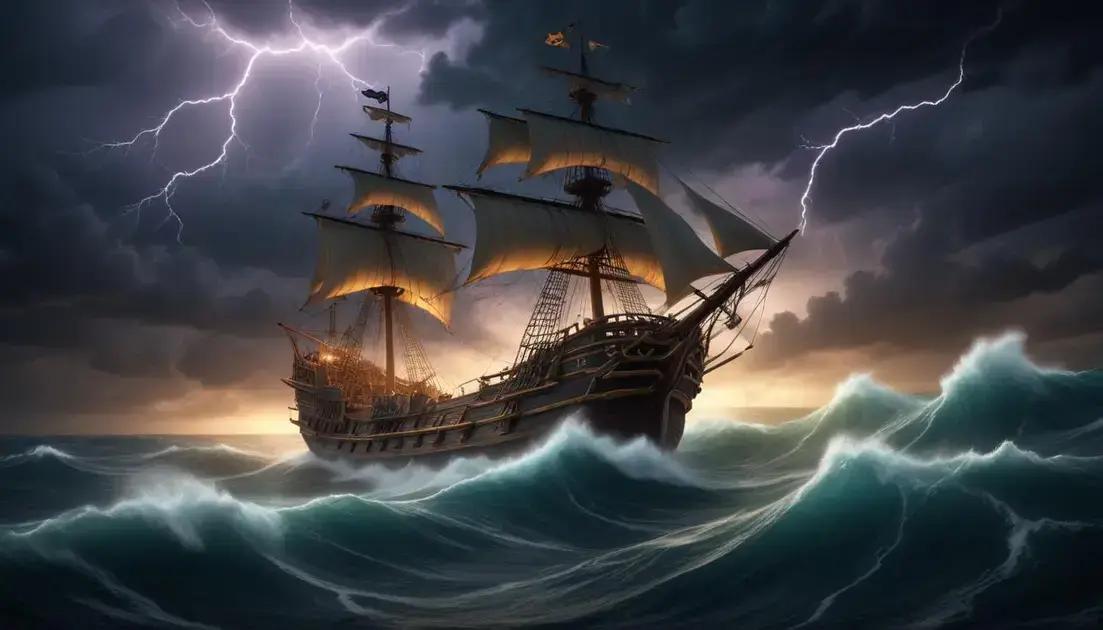
The Golden Age of Piracy, from the late 17th to early 18th centuries, was marked by legendary figures like Blackbeard and Anne Bonny. This era saw famous battles that significantly impacted trade and prompted governments to strengthen naval defenses. The romanticized view of pirates as adventurous rebels highlights our fascination with freedom and challenges to authority. Despite the harsh reality of piracy, the stories continue to inspire imaginations and demonstrate the complex relationship between adventure and risk on the high seas.
Piracy has captivated our imaginations for centuries, reminding us of the danger and adventure that existed on the high seas. The stories of fearless pirates fuel our curiosity—what made them pursue this relentless life?
What is the Golden Age of Piracy?
The Golden Age of Piracy is a fascinating time in history. It typically refers to the late 17th and early 18th centuries. During this time, piracy flourished in the Caribbean, the Americas, and even the Indian Ocean. Many pirates became famous, and their stories have lived on.
What sparked this era of piracy? A mix of factors played a role. European nations were expanding their trade routes and colonial powers. This created many opportunities for pirates to attack merchant ships.
Pirates like Blackbeard and Bartholomew Roberts gained a reputation for their daring exploits. They captured countless ships and treasures. These tales of adventure and rebellion captured the public’s imagination.
Piracy was not just about treasure. It also involved a unique code of conduct among pirates. Many crews operated democratically, sharing their loot equally. This was a rare thing during this period.
Governments began to take notice. They started to crack down on piracy, and the Golden Age eventually came to an end. However, the legends and stories from this time remain popular even today.
In pop culture, movies and books have made pirates seem larger than life. They embody freedom, adventure, and rebellion against authority. That makes the Golden Age of Piracy a captivating topic for many.
Famous Pirates of the Era
Many famous pirates shaped the Golden Age of Piracy. These figures left a lasting mark on history, and their stories are legendary.
Blackbeard is one of the most recognized pirates. His real name was Edward Teach. He was known for his fearsome appearance and fierce reputation. Blackbeard often tied slow-burning fuses into his beard, creating a terrifying look as he battled.
Bartholomew Roberts became a famous pirate captain as well. He captured over 400 ships during his career. His clever tactics and bold raids made him a standout figure among pirates.
Anne Bonny was a famous female pirate. She defied gender norms in a male-dominated world. Her daring escapes and fierce fighting skills made her a legend in her own right.
Calico Jack Rackham is known for his colorful clothing and unique flag. His ship, the Revenge, was well-known. Rackham was also famous for his crew, which included Anne Bonny and Mary Read, another notable female pirate.
Pirates like Henry Morgan were often privateers as well. This means they were authorized by a government to raid enemy ships. Morgan became famous for his raids on Spanish settlements and his rise to wealth and power.
The stories of these pirates are exciting, full of daring deeds and romanticized adventures. They continue to capture our imagination and inspire countless tales in books and movies.
Notable Pirate Battles
Many notable pirate battles occurred during the Golden Age of Piracy. These fierce confrontations helped define pirate history and legends.
One famous battle was the Battle of Nassau in 1718. Pirates, led by Charles Vane, attacked the city of Nassau, which was a key British outpost. This clash demonstrated the pirates’ power and their ability to challenge established governments.
Another well-known conflict is the Battle of Cape Lopez. In 1722, a pirate named Bartholomew Roberts faced off against a British naval ship. Roberts’ cunning strategies helped him win, adding to his fearsome reputation.
The Battle of Cartagena was another major event. In 1741, British forces attempted to capture the city of Cartagena from Spanish control. Pirates joined the Spanish defenders, proving their skill in fighting against a larger force.
Blackbeard’s last stand at Ocracoke Inlet in 1718 is a legendary tale. He fought against British soldiers determined to end his reign of terror. Despite a fierce battle, Blackbeard was ultimately defeated.
Many battles were brutal and chaotic. Pirates used speed and surprise to outmaneuver their enemies. This unpredictability often gave them the upper hand in fights.
These notable battles highlight the fierce spirit and courage of pirates. Their legendary confrontations still capture our imagination today.
The Impact of Piracy on Trade
The impact of piracy on trade was significant during the Golden Age of Piracy. Piracy created fear among merchants and traders, leading to various challenges.
Merchant ships were often targets for pirates. Many traders lost their goods to pirate attacks. This made shipping routes less safe.
Piracy forced governments to respond. Countries built stronger naval fleets to protect their interests. They aimed to safeguard trade routes and ensure safe passage for merchant vessels.
Insurance on cargo became necessary. Merchants started to insure their goods against pirate attacks. This added extra costs to trade but offered some protection.
Some regions saw a rise in wealth because of piracy. Coastal towns became hubs for pirates and their stolen loot. Places like Nassau thrived as pirate havens.
In some cases, piracy led to wars. Governments wanted to eliminate the pirate threat, resulting in military conflicts at sea. These battles affected entire trade networks.
The presence of pirates also changed trade patterns. Merchants sought safer routes or traveled in larger groups to deter attacks. This shift reshaped global trade practices during that era.
Piracy created a complex relationship between trade and security. It highlighted the need for protection at sea and shaped the future of maritime commerce.
Romanticizing the Pirate Lifestyle
Romanticizing the pirate lifestyle has been popular for centuries. Pirates are often seen as adventurous rebels on the high seas. This image captures our imagination and draws us in.
Movies and books portray pirates as fearless heroes. They sail under the Jolly Roger, seeking treasure and freedom. This idea of adventure fuels our dreams of living life on our terms.
Pirates were known for their boldness. They challenged authority and lived by their own rules. This sense of freedom is appealing to many. People love the idea of living outside societal norms.
Famous characters like Captain Hook and Jack Sparrow add to this romantic image. They embody charm, wit, and daring escapades. These fictional portrayals make piracy seem thrilling and exciting.
In reality, life as a pirate was harsh. Conditions on ships were often difficult. Many pirates faced danger daily, from battles to bad weather. However, these challenges are frequently overshadowed by tales of adventure.
Pirate codes added an intriguing twist. Many pirates followed strict rules about sharing loot and treating crew members fairly. This code showed another side of piracy, one of camaraderie and loyalty.
Overall, the romanticized view of piracy highlights our fascination with freedom, adventure, and rebellion. It reflects our collective desire for excitement and a break from the ordinary.
Conclusion
In conclusion, the Golden Age of Piracy is a captivating chapter in history. The legends of fierce pirates, daring battles, and the thrill of adventure continue to fascinate us. While piracy brought chaos to trade and created dangers at sea, it also spurred the growth of naval power and reshaped commerce.
Romanticizing the pirate lifestyle highlights our desire for freedom and excitement. We love stories of brave individuals challenging authority and living by their own rules. This allure adds to the enduring appeal of pirates in popular culture.
Ultimately, the tales of piracy remind us of the balance between adventure and risk. These stories will live on, inspiring dreams of adventure on the high seas for generations to come.