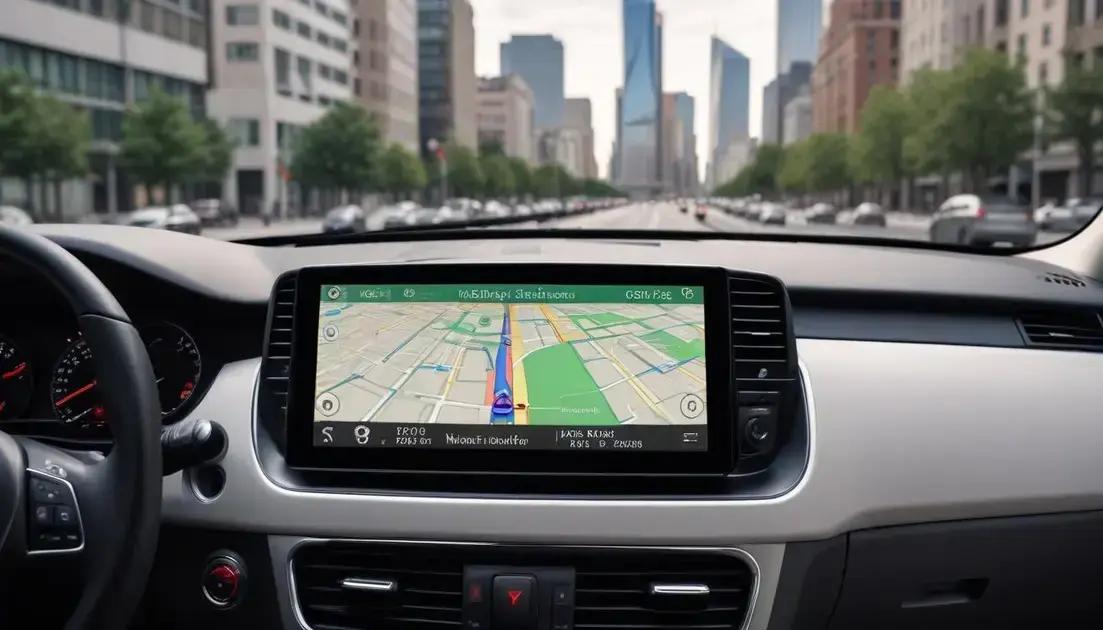
GPS navigation: America’s gift to global movement
The evolution of GPS technology has significantly transformed our daily lives by providing reliable navigation, enhancing safety, and facilitating exploration. Future innovations in GPS are set to improve accuracy and integrate with smart devices, while incorporating features like augmented reality and AI for personalized travel experiences. These advancements will not only make navigation easier but also open new avenues for discovering and connecting with the world around us.
Have you ever considered how GPS navigation revolutionized our daily journeys? From military origins to personal use, it’s fascinating!
The Evolution of GPS Technology
The evolution of GPS technology has changed how we navigate the world. It started as a military tool, designed for precise location tracking. In the 1970s, the U.S. government launched the first GPS satellites. This made it easier to determine exact locations anywhere on Earth.
From Military to Civilian Use
Initially, only the military had access to these advanced systems. However, in the 1980s, the government decided to make GPS available for civilian use. This was a game-changer for many industries.
How GPS Works
GPS works through a network of satellites orbiting the Earth. These satellites send signals to GPS receivers on the ground. By calculating the time it takes for the signals to arrive, the receiver can pinpoint its location accurately.
Advancements in Technology
Today, GPS technology is not just about finding locations. It’s also about traffic updates, geolocation services, and more. Smartphones now use this technology to enhance daily tasks.
With ongoing advancements, GPS is becoming even more precise and user-friendly. Innovations like augmented reality and automotive systems are becoming more common.
The Future of GPS
The future of GPS technology looks promising. New satellites are being launched to improve coverage and reliability. These improvements will make navigation even easier for everyone.
As technology progresses, who knows what new features GPS will bring us next? Whether it’s for personal use or business, GPS continues to shape our lives.
Impact of GPS on Daily Life
The impact of GPS on our daily lives is huge. It helps us find our way, avoid traffic, and discover new places. We rely on it when driving, walking, or using public transport. Life is more convenient with GPS.
Navigation Made Easy
GPS makes navigation easy for everyone. You can just enter your destination, and your device shows the best route. This saves time and reduces stress during travel.
Safety and Security
GPS also plays a vital role in safety. Emergency services can quickly locate people in need. This capability can be lifesaving in urgent situations.
Exploring New Places
Want to check out a new restaurant or park? GPS helps you find local spots based on your interests. This encourages exploration and adventure in our daily lives.
Everyday Applications
Besides driving, GPS is used in many everyday tasks. Fitness apps track your runs or bike rides using GPS. This helps you stay motivated and reach your fitness goals.
Business and Economy
Businesses also benefit from GPS. Delivery services use it for quick routes to get packages to customers. This improves efficiency and customer satisfaction.
In short, the impact of GPS on daily life is remarkable. It revolutionizes how we navigate, explore, and connect with our surroundings.
Future Innovations in Navigation
The future of navigation is bright and exciting. With GPS technology evolving, we can expect many innovations ahead. These changes will make our travel easier and smarter.
Enhanced Accuracy
Future GPS systems will have even better accuracy. New satellites are being launched to improve signal strength. This means you’ll know your exact location, no matter where you are.
Integration with Smart Devices
Smart devices will play a bigger role in navigation. Wearable tech like smartwatches will work seamlessly with GPS. This allows directions to be easily accessed on-the-go.
Augmented Reality (AR) Navigation
Augmented reality may change how we navigate streets. Imagine pointing your phone at a street and seeing directions overlaid on your view. This can make finding places more interactive and fun!
AI-Powered Navigation
Artificial intelligence will enhance navigation apps. They can analyze traffic patterns and suggest the best routes. This means less time stuck in traffic and more efficient travel.
Personalized Routes
Future GPS systems will offer personalized suggestions. By learning your habits, they can recommend routes you’ll enjoy based on your interests. Whether you prefer scenic drives or fastest routes, it will cater to you.
With all these innovations on the horizon, the future of navigation will be more connected, efficient, and user-friendly. Get ready for a new way to explore the world!
Conclusion
In conclusion, the impact of GPS technology on our daily lives is undeniable. As we’ve seen, it helps us navigate with ease, enhances safety, and encourages exploration. Looking to the future, innovations such as augmented reality and AI integration promise to make navigation even better.
As GPS evolves, it will offer more personalized and efficient ways to travel. With new advancements on the horizon, we can look forward to a world where getting around is smarter and more exciting. Embracing these changes will make every journey a little easier and more enjoyable.
Tags: