Great power rivalry: echoes of the Cold War
The dynamics of international relations are influenced by past rivalries, especially those from the Cold War era. Countries navigate modern conflicts through diplomacy, utilizing dialogue and negotiation to resolve issues. Technology plays a crucial role, shaping power struggles and cybersecurity challenges in contemporary rivalries. By understanding these elements, nations can foster cooperation and stability in a complex global landscape.
Cold War tensions are rising again, but in today’s world, the stakes feel different. Have we truly moved on from the divisions of the past, or is history repeating itself?
The echo of past rivalries
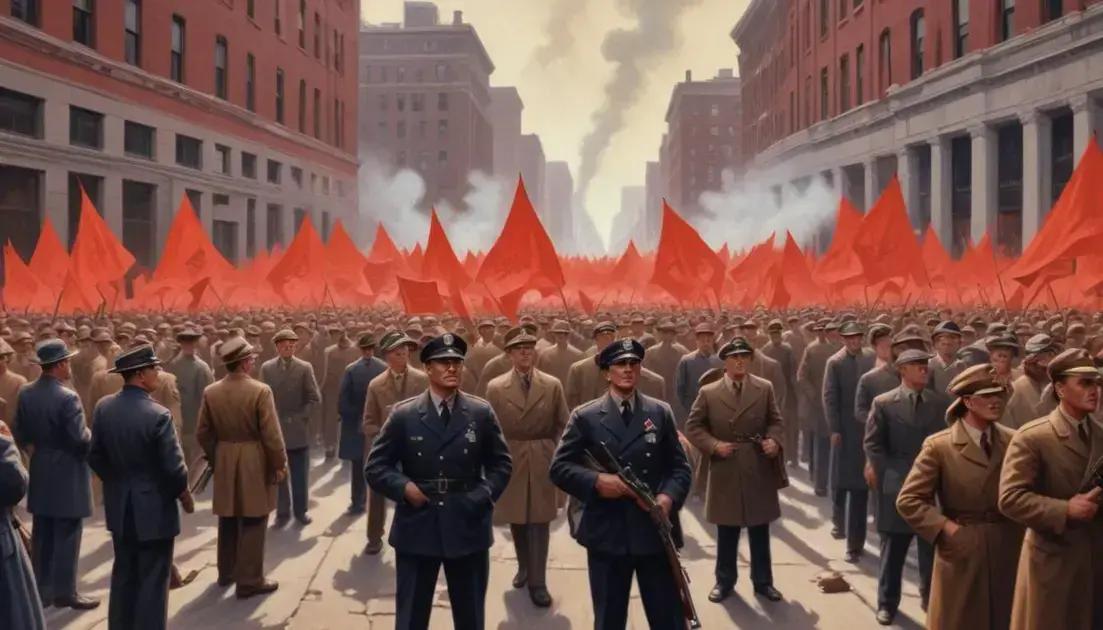
The echoes of past rivalries still shape our world today. The Cold War is a prime example. Even though it ended decades ago, the relationships and tensions formed during that time affect global politics now.
Countries that once stood on opposite sides now find themselves in a different game. Old rivalries can make negotiations tricky and create distrust. This is especially true for nations with different political ideologies.
Lessons Learned from History
Understanding these past conflicts can offer valuable lessons. For instance, leaders can learn to avoid repeating the same mistakes. By studying history, they can strive for better communication and collaboration.
The Role of Technology
Today, technology speeds up the pace of interactions between countries. Instant communication tools make it easier to resolve conflicts quickly. However, these same tools can spread misinformation and add fuel to old tensions.
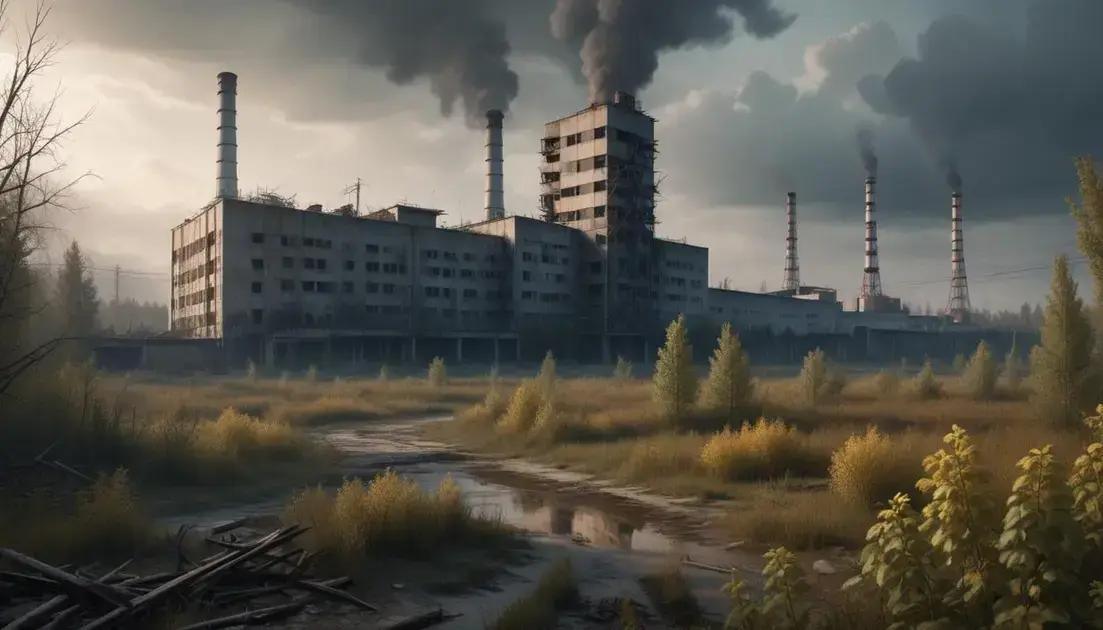
As we look at current events, it’s clear that many issues are rooted in the Cold War era. This past influences how nations approach modern challenges. We must recognize these historical ties to fully understand our global landscape.
Modern implications of Cold War dynamics
The dynamics of the Cold War still impact our world today. Even though the conflict ended, its effects are very real. Many countries still feel the outcomes of those decades.
Modern conflicts often echo the divisions of the past. Old alliances can influence new partnerships. Nations often look to historical events to guide their current policies.
Current Global Tensions
Today, nations are facing new challenges, but some are rooted in old rivalries. Issues like trade, technology, and defense often bring reminders of Cold War-era tensions. Countries with rich histories may struggle to move forward.
The Role of Alliances
Alliances formed during the Cold War still shape politics. For example, NATO continues to play a key role in global security. Many nations rely on these alliances to navigate modern issues.
With government actions driven by past tensions, current leaders must be aware. History helps them understand the delicate balance in international relations.
How nations navigate new power struggles
Nations today are juggling new power struggles in a changed world. They must adapt constantly to stay relevant. This requires new strategies to handle both old and new challenges.
Countries are learning how to deal with Cold War legacies while facing new issues like cyber threats. Every nation has to find a balance between cooperation and competition.
Using Diplomacy
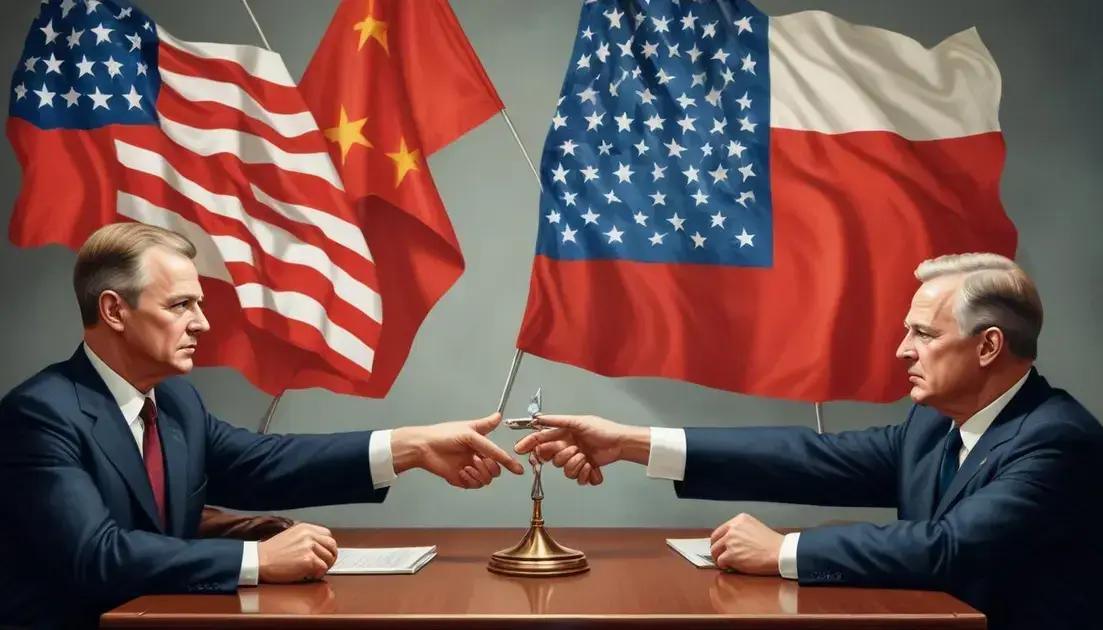
Diplomacy is key in navigating these power struggles. Effective communication helps countries resolve conflicts without escalating tensions. Leaders often meet to discuss their different views and find common ground.
The Role of International Organizations
Organizations like the United Nations or NATO play an important role. They provide platforms for countries to work together. These groups help to mediate disputes and promote peace.
Trade agreements and alliances are also crucial. They strengthen ties between nations and can lead to better economic growth. Countries must think carefully about who to partner with.
The role of technology in contemporary rivalries
Technology plays a huge role in today’s rivalries between nations. It changes how countries interact and compete. From cybersecurity to space exploration, tech affects every aspect of international relations.
In the past, military strength decided many conflicts. Now, information and communication technologies are just as important. Countries focus on their cyber capabilities to protect themselves and assert influence.
Cybersecurity Challenges
With the rise of the internet, cybersecurity is crucial. Nations face threats from hackers and cyber attacks. Protecting sensitive data has become a top priority. Countries invest heavily in cybersecurity measures to safeguard their interests.
Innovation and Competition
Tech innovation drives competition among nations. Countries race to develop advanced technologies, such as artificial intelligence and quantum computing. This competition shapes their global standing and economic power.
Technology is also key in diplomacy. Video conferences allow leaders to communicate instantly. This opens doors for negotiations and collaboration.
Reflections on diplomacy and conflict
Diplomacy and conflict go hand in hand in today’s world. Nations often face challenges that test their relationships. Strong diplomatic ties can make conflicts less likely.
In recent years, countries have had to navigate tricky situations. It’s clear that communication is key. When leaders talk openly, misunderstandings can be cleared up.
The Importance of Dialogue
Dialogue allows countries to express their views. It helps prevent small issues from growing into major conflicts. Regular discussions can strengthen trust between nations.
Conflict Resolution Strategies
Different strategies help in resolving conflicts. Negotiation is one common approach. It involves give-and-take, helping to find a middle ground.
International treaties also play a role. They create agreements that limit tensions. By committing to terms, nations can avoid conflict escalation.
Conclusion
In conclusion, the interplay between diplomacy and conflict remains vital for today’s nations. Open communication can help prevent misunderstandings and build trust. When leaders engage in dialogue, they can navigate challenges more effectively.
Learning from past conflicts and employing strong negotiation strategies is essential. By working together through treaties and agreements, nations can find peaceful solutions to their disputes. Ultimately, prioritizing diplomacy helps create a more stable and secure world for everyone.