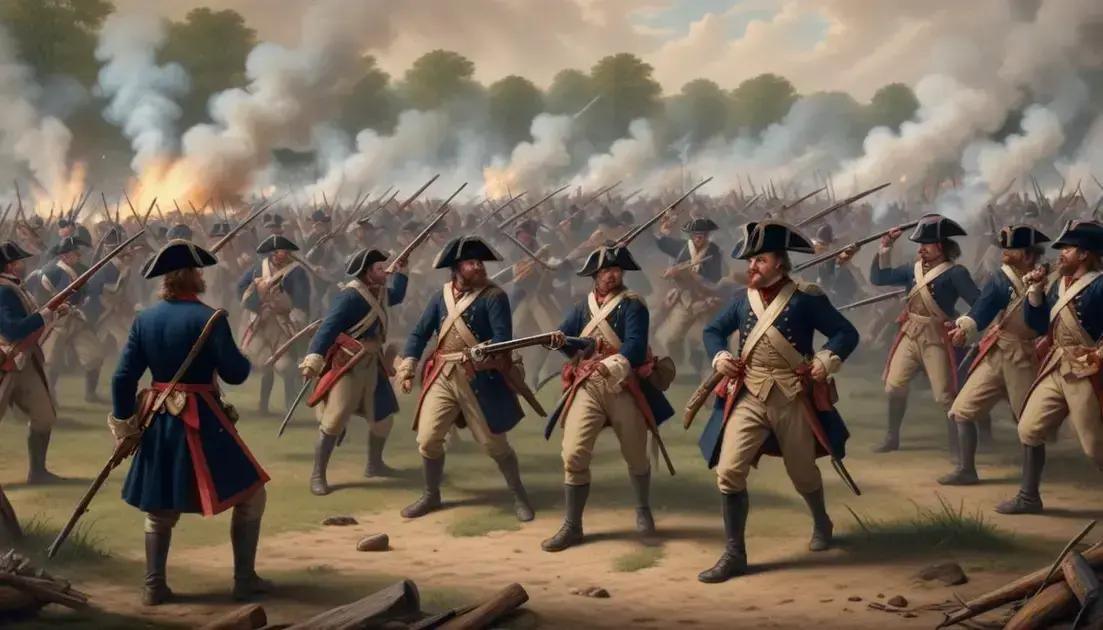
Gunpowder and the birth of American warfare
Gunpowder revolutionized warfare by changing battle tactics and military strategies. Its invention allowed armies to engage from a distance, leading to significant shifts in power dynamics and territorial expansion. The historical significance of gunpowder extends beyond the battlefield, influencing technology, politics, and the development of nations, making it a key factor in shaping modern warfare.
Gunpowder played a crucial role in shaping American warfare throughout history, revolutionizing how battles were fought and won. Have you ever wondered how this powerful substance changed the landscape of conflicts?
The invention of gunpowder
The invention of gunpowder marked a turning point in history. It revolutionized how battles were fought. Originally, it was used in fireworks. But soon, it found its way into warfare. Invented in China, gunpowder spread to the Middle East and Europe.
By the 14th century, gunpowder was being used in cannons and firearms. These new weapons changed the rules of engagement. Armies could now break through thick walls and hold an advantage. Battles were no longer just about swords and shields.
How Gunpowder Changed Warfare
Gunpowder allowed armies to strike from a distance. This changed tactics significantly. Generals had to adapt quickly to the new reality. They learned to use gunpowder effectively in sieges and open battles.
The Spread of Gunpowder Technology
As gunpowder spread, so did the need for skilled workers. Blacksmiths and chemists became essential. They produced weapons and ammunition. This created new jobs and changed economies.
Impact on Society
The impact of gunpowder was felt beyond the battlefield. It influenced politics and society. Nations sought to control gunpowder supplies for power. This led to conflicts and wars that shaped nations.
Impact on warfare tactics
The impact on warfare tactics due to gunpowder was huge. Armies used to fight in close combat. But with gunpowder, tactics had to change. Now, soldiers could fight from a distance. This led to new strategies in battle.
Generals started thinking differently. They learned how to use cannons and guns effectively. Instead of forming tight lines, troops spread out. This avoided heavy losses when facing gunfire.
New Strategies Emerge
Siege warfare also changed. Gunpowder made it easier to break down walls. This meant cities had to defend differently. They built stronger walls and used new defense techniques.
Collaboration of Troops
Different types of soldiers began to work together. Infantry, cavalry, and artillery coordinated their efforts. This teamwork increased efficiency during battles. Troops could cover each other and execute complex strategies.
The Role of Training
With new tactics, training became vital. Soldiers had to learn how to handle firearms properly. Drills became more important to keep everyone prepared. This focus on training improved battle effectiveness.
Gunpowder changed the rules of engagement forever. Tactics had to adapt, and that influenced future battles. Understanding these changes helps us see the evolution of warfare over time.
Changes in battle strategies
Gunpowder brought major changes in battle strategies. Before gunpowder, battles relied on hand-to-hand combat. Armies fought in tight formations. But with the introduction of firearms, this all shifted. Now, soldiers could engage the enemy from a distance.
Instead of lining up, troops became more spread out. This made it harder for enemy fire to cause heavy casualties. Generals began to use more complex formations and maneuvers. They learned to combine different units, like infantry and artillery.
Emphasis on Mobility
Mobility became crucial in battle strategies. Armies needed to move quickly to respond to threats. Fast-moving troops could flank the enemy. This surprise tactic proved effective against traditional formations.
New Role of Artillery
Artillery took on a more significant role during battles. Cannons became essential elements on the battlefield. They could devastate enemy lines before soldiers advanced. The strategic placement of artillery was key to victory.
Adaptations Over Time
As battles evolved, so did tactics. Military leaders studied previous conflicts. They shared knowledge about effective strategies. This learning process helped shape future military doctrines.
The changes in battle strategies due to gunpowder set the stage for modern warfare. Understanding these shifts helps us appreciate how far combat has come.
Historical significance
The historical significance of gunpowder is immense. It changed the course of warfare across the world. As armies embraced this powerful material, battles evolved dramatically. Think about how many conflicts were shaped by its use.
Gunpowder helped build empires by allowing nations to conquer and expand their territories. It made some armies much stronger than others. This change affected international politics and alliances.
Influence on Warfare and Politics
Countries raced to develop better gunpowder weapons. This arms race pushed technological advances and military innovations. It also forced governments to rethink their strategies and invest more in military power.
Shaping National Identity
Gunpowder played a role in defining national identities. Many nations traced their military successes back to gunpowder battles. This legacy helped shape cultures and historical narratives.
Inspiration for Innovations
The use of gunpowder inspired other inventions. Firearms led to advancements in explosive technologies. These inventions impacted industries far beyond the battlefield, influencing mining and construction.
Understanding gunpowder’s historical significance helps us see its lasting effects today. Its presence in history is a reminder of how technology can transform societies.
Conclusion
Gunpowder has had a lasting impact on warfare and history. It transformed how battles are fought and changed military strategies forever. As a powerful tool, it enabled nations to expand and exert control.
Understanding the role of gunpowder in shaping societies is essential. It influenced everything from technology to politics. Many countries trace their military roots back to gunpowder innovations.
As we study history, we see how technology can change the course of events. Gunpowder is just one example of this dynamic. Its legacy reminds us of the power of invention and adaptation.
Conclusion
In conclusion, the invention of gunpowder significantly changed the face of warfare and history. It allowed armies to fight in new ways and transformed military strategies. Nations used gunpowder to grow and expand their influence, changing political landscapes around the world.
Understanding gunpowder’s impact helps us appreciate its role in shaping the modern world. It not only affected battles but also led to technological advancements and influenced how societies developed. As we study this key element of history, we see how innovation can lead to significant changes, reminding us of the powerful effects of human creativity and discovery.