Gunpowder: the explosive invention that changed warfare
Gunpowder revolutionized warfare by enabling long-range combat and changing military strategies. Its invention marked a pivotal moment in history, leading to advancements in weapon technology that are still significant today. Major battles, such as Agincourt and Waterloo, demonstrated its profound impact on combat tactics. The legacy of gunpowder continues to shape modern warfare, emphasizing the importance of firepower and innovation in military practices.
Have you ever thought about how many wars have been changed by gunpowder? This powerful invention didn’t just alter battles; it transformed entire civilizations. Let’s dive into the explosive world of gunpowder and its impacts!
The invention of gunpowder
The invention of gunpowder dates back to ancient China. It was first created in the 9th century during the Tang Dynasty. The discovery was made by accident when alchemists were trying to find a potion for immortality.
Initially, gunpowder was used for fireworks and religious ceremonies. However, it soon changed the way wars were fought. Armies realized its potential as a weapon.
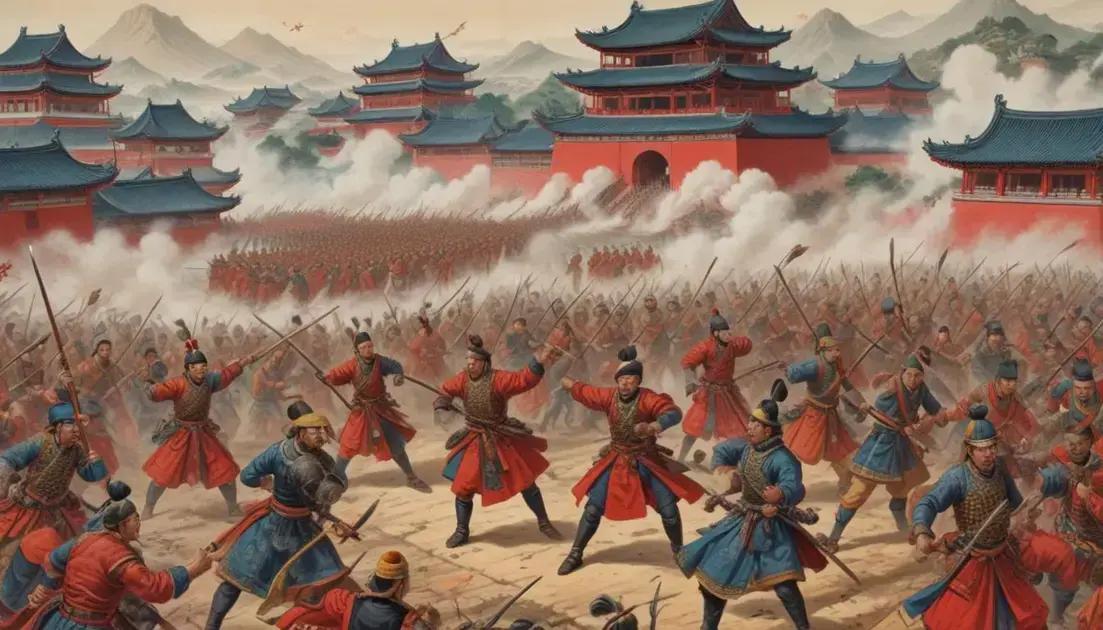
By the 11th century, gunpowder began to be used in warfare. Chinese soldiers developed weapons like rockets and bombs. These inventions had a huge impact on battles.
Gunpowder was not just a new tool; it changed strategies in combat. Before its invention, most battles relied on swords and melee combat. With gunpowder, armies could fight from a distance.
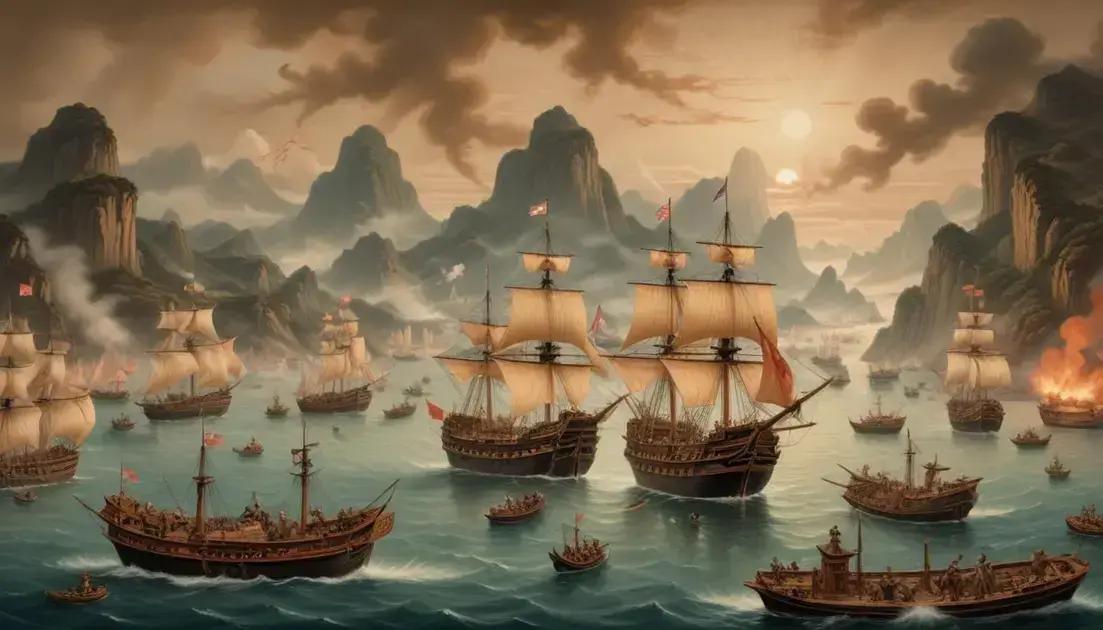
Its use spread quickly to other regions. By the time of the Middle Ages, Europe was also experimenting with gunpowder. Cannons and firearms were soon a common sight on the battlefield.
The invention of gunpowder marked a major turning point in military history. It did not just redefine the art of warfare but also influenced the tactics and outcomes of many significant battles.
How gunpowder revolutionized warfare
Gunpowder changed warfare forever. Before its invention, battles were fought at close range. Soldiers fought with swords, spears, and shields. Combat was brutal and personal. Then came gunpowder, and everything changed.
With gunpowder, armies could fight from a distance. Cannons and guns allowed soldiers to attack enemies before they got too close. This made battles much less personal.
It also led to new tactics. Armies began to form lines and use formations. This was to maximize their firepower. The strategy of positioning became essential in battles. Learning how to use gunpowder effectively was crucial for winning.
For example, they started using cannons to break through castle walls. This tactic changed sieges. Castles were no longer safe places, as gunpowder made them vulnerable.
Rockets were another major invention. They were first used in Asia and later in Europe. Rockets changed how armies approached warfare. Now, troops could attack specific targets from a distance.
Gunpowder also led to the development of firearm technology. Muskets replaced earlier weapons. They were easier to load and aim, making soldiers more effective. Armies that adapted quickly to these changes had a significant edge in battles.
Significant battles influenced by gunpowder
Gunpowder significantly influenced many major battles throughout history. One notable example is the Battle of Crecy in 1346. During this battle, the English used longbows and gunpowder weapons. They gained a strong advantage over the French forces.
Another important battle was the Battle of Agincourt in 1415. English archers used their longbows effectively. They also employed cannons, which changed how battles were fought.
In the Siege of Seville in 1248, gunpowder played a crucial role. The Christian forces used it to breach the city’s walls. This opened the way to victory and marked a key event in the Reconquista.
During the Thirty Years’ War, from 1618 to 1648, gunpowder changed European warfare. Armies used muskets and cannons on a large scale. This war showcased the deadly power of gunpowder in battle.
The Battle of Waterloo in 1815 also highlighted the impact of gunpowder. Napoleon’s army faced the combined forces of Britain and Prussia. The use of artillery shaped the outcome and changed the course of history.
With each of these battles, gunpowder transformed the strategies and technology used by armies. The shift in how wars were fought due to gunpowder is a pivotal moment that still resonates today.
The legacy of gunpowder in modern warfare
The legacy of gunpowder is still felt in modern warfare today. Its invention marked a major turning point. With it, the way battles were fought changed forever. Armies became more powerful with the introduction of firearms and artillery.
In today’s wars, gunpowder is used in various forms. From bullets to bombs, its impact on military tactics is huge. Many of the weapons we see now have roots in gunpowder technology.
Modern military strategies still rely on firepower. Tanks and artillery units use advanced gunpowder-based munitions. This technology allows forces to strike from a distance, similar to how gunpowder changed tactics centuries ago.
Furthermore, gunpowder has influenced the design of various weapons. Innovations have led to more efficient and deadly firearms. Trench warfare during World War I showcased this evolution in weaponry.
Even in the age of technology, gunpowder maintains its importance. While we now have missiles and drones, basic gunpowder weapons remain crucial for many armed forces. They are often easier to produce and deploy.
Overall, the legacy of gunpowder in modern warfare highlights its enduring effect. It revolutionized how we approach combat and continues to shape military practices around the world.
Conclusion
In conclusion, the impact of gunpowder on warfare is undeniable. It changed how battles were fought and shaped military strategies for centuries. From early weapons to modern firearms, gunpowder laid the foundation for many technologies we use today.
By transforming combat, gunpowder led to both advancements and challenges. It has made wars more deadly but also shaped tactics that protect troops. As we look at modern warfare, we can see how its legacy lives on.
Understanding the history of gunpowder helps us appreciate its role in today’s military. It reminds us of the power of innovation and its lasting effects on our world. Overall, the story of gunpowder is a significant chapter in the history of war.