Han Dynasty: China’s golden age begins
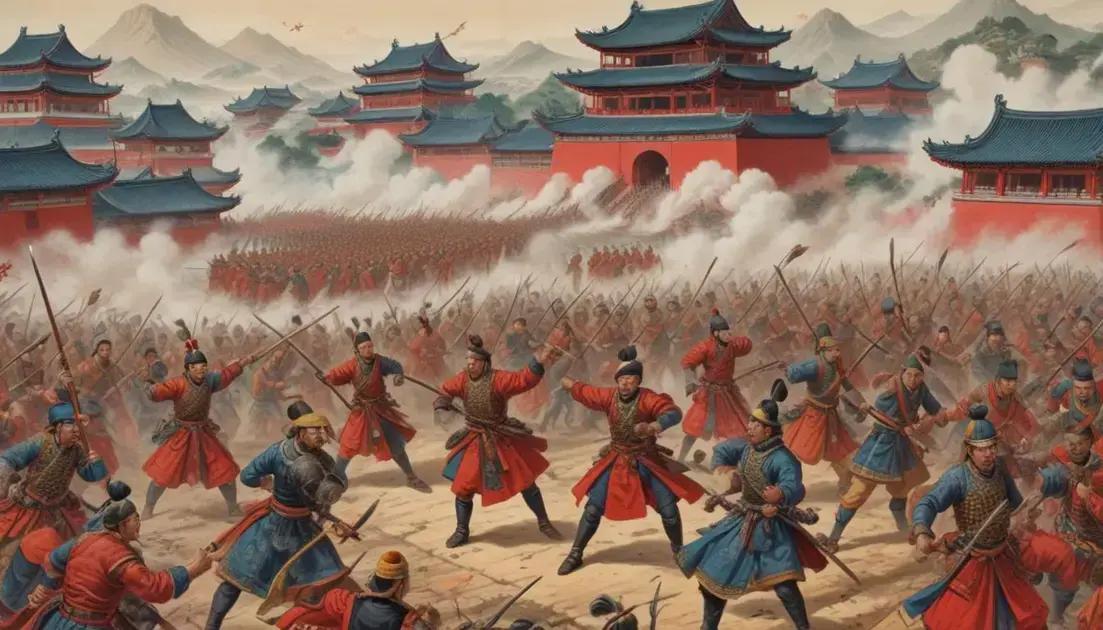
The Han Dynasty, influential in Chinese history from 206 BC to 220 AD, is known for its significant contributions in governance, culture, and trade. It established a centralized administrative system, introduced civil service exams, and greatly expanded trade routes like the Silk Road, fostering economic growth. Cultural achievements, including advancements in literature and science, laid a foundation that influenced later dynasties. The legacy of the Han continues to resonate today, showcasing its role in shaping modern China.
Welcome to the fascinating world of the Han Dynasty! This period marked a pivotal moment in Chinese history, filled with cultural, economic, and political advancements. Curious to find out how it shaped the future? Let’s dive in!
Overview of the Han Dynasty
The Han Dynasty was one of China’s greatest periods, lasting from 206 BC to 220 AD. This era is marked by significant cultural and political achievements. During this time, China expanded its territory and influence.
Key Features of the Han Dynasty
The Han Dynasty is known for its stability and innovation. They developed the Silk Road, which opened trade routes connecting China to the West. This was essential for the exchange of goods and ideas.
In terms of government, the Han established a centralized system that improved administration. They also introduced the idea of a civil service exam to choose officials based on merit, which was a major shift in governance.
Cultural Achievements
The arts flourished, leading to advancements in literature and sculpture. The invention of paper during this time made writing more accessible. This helped preserve knowledge and spread it widely.
Economy and Trade
The economy thrived thanks to agriculture and trade. Farmers improved techniques, leading to larger harvests. Trade expanded beyond silk to include spices, tea, and other valuable items.
Challenges Faced
Despite its successes, the Han Dynasty faced challenges like political corruption and social unrest. Eventually, these issues led to its decline and breakup into smaller kingdoms.
The legacy of the Han Dynasty is still felt today. Its innovations in governance, trade, and culture laid the groundwork for future Chinese dynasties, making it a cornerstone in Chinese history.
Cultural achievements and inventions
The Han Dynasty is famous for its cultural achievements and inventions. During this time, art and literature flourished. Painters created beautiful works, while poets wrote inspiring verses.
Inventions That Changed Life
One of the biggest inventions was paper. Before paper, people used bamboo and silk for writing. Paper made it easier to keep records and share information.
The Han also invented the compass, which helped in navigation. This was important for trade and exploration.
Scientific Discoveries
In science, the Han made great strides in medicine. They developed acupuncture, a healing method that uses needles to relieve pain. Doctors also studied herbs for their healing properties.
Music and Performance
Music played a big role in Han culture. People enjoyed various instruments like the lute and flute. Theatrical performances were common, bringing stories to life.
Impact on Future Generations
The cultural achievements of the Han Dynasty set a standard for future dynasties. They laid the groundwork for Chinese art, literature, and science that is still admired today.
Economic expansion and trade
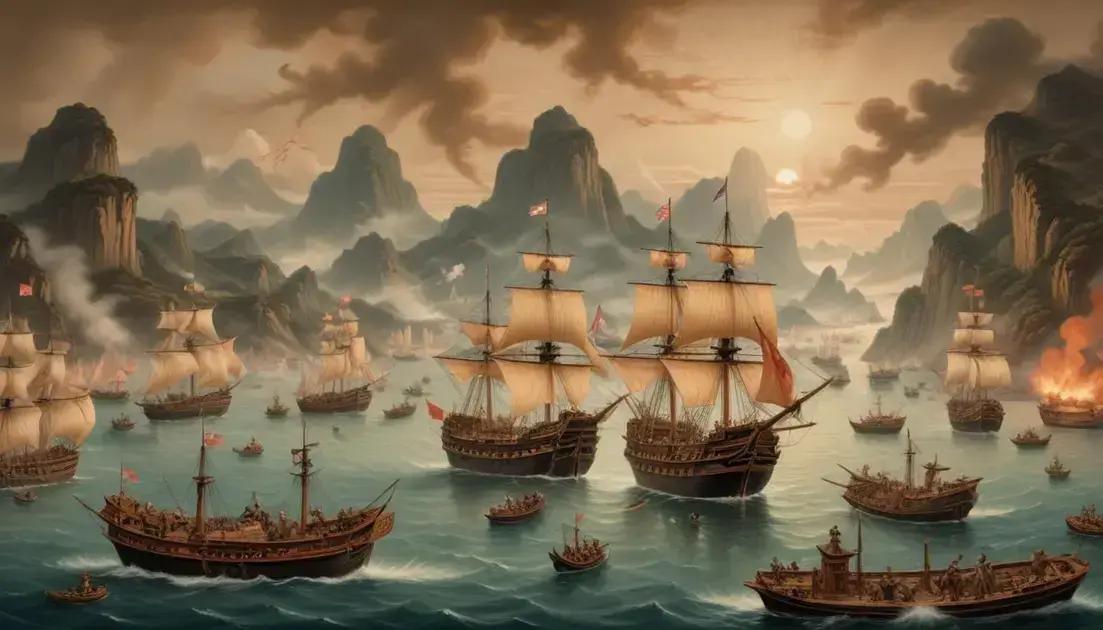
The Han Dynasty saw tremendous economic expansion and trade growth. This period was crucial for improving trade routes. Merchants transported goods far and wide, connecting China to other cultures.
The Silk Road
One of the most important trade routes was the Silk Road. It linked China to places like Rome and Persia. This allowed for the exchange of silk, spices, and other valuable items.
As trade increased, cities became bustling centers of activity. Merchants, artisans, and travelers filled the streets, creating a lively economy.
Agricultural Advances
Agriculture also thrived during the Han period. Farmers used new tools to boost their harvests. The iron plow and irrigation helped increase the amount of food produced.
Tax Revenue and Government Support
Increased trade and agriculture led to higher tax revenue. This money helped the government build roads and improve infrastructure. Better roads made transport easier and faster.
Impact on Society
Trade brought various goods, ideas, and cultures to China. People learned from each other, which cultivated a rich cultural exchange. This helped unify the diverse regions of the empire.
Political structure and governance
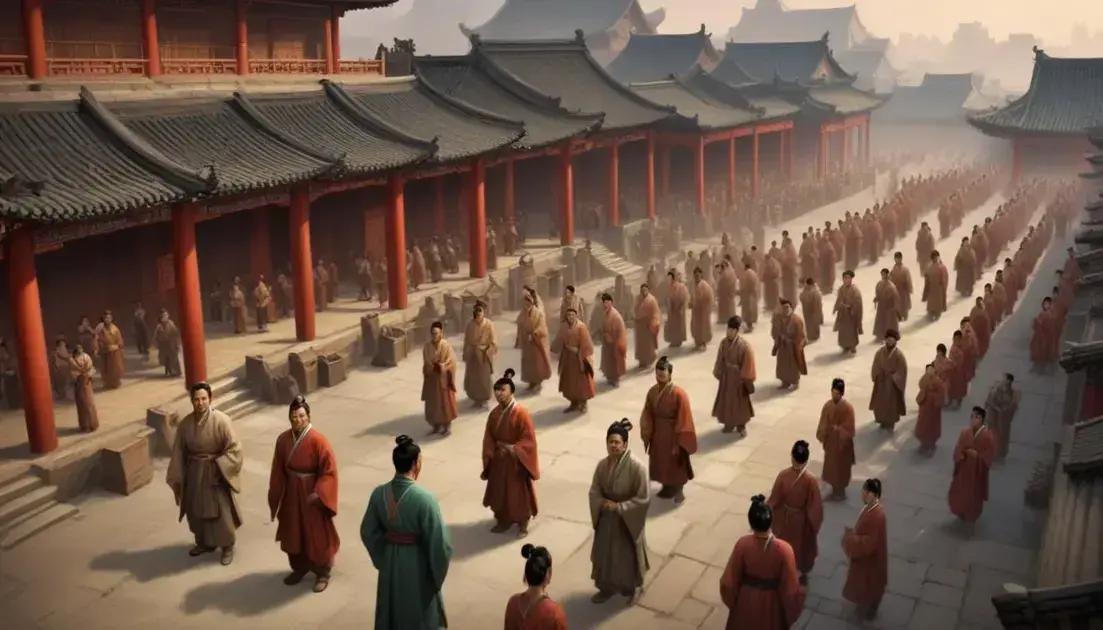
The Han Dynasty had a strong political structure that helped it run smoothly. They established a centralized government to manage the vast empire. This system allowed for effective decision-making and administration.
The Emperor’s Role
The emperor was the highest authority. He had control over the military, laws, and taxation. His role was vital for maintaining order and unity in the empire.
Bureaucracy and Officials
Under the emperor, there were many officials who carried out daily tasks. They formed a bureaucracy that helped manage different regions. This structure ensured that laws and policies were followed.
Civil Service Exams
One key feature of Han governance was the civil service exam. This exam tested officials on Confucian teachings and knowledge. It helped ensure that capable people ran the government.
Local Governance
Local leaders played an important part as well. They managed villages and small towns. Local governance helped connect the people with the central authority.
Challenges in Governance
Despite its strengths, the Han political structure faced challenges. Corruption and power struggles among officials were common issues. These problems sometimes weakened the government and led to unrest.
Impact on future Chinese dynasties
The Han Dynasty had a lasting impact on future Chinese dynasties. Its innovations in governance, culture, and trade set a strong foundation for what was to come.
Government and Administration
Many later dynasties adopted the bureaucratic system started by the Han. They continued using civil service exams to select qualified officials. This ensured that the government was run by capable people.
Cultural Influence
The arts developed during the Han influenced literature, painting, and music for centuries. Future dynasties often looked back at Han art for inspiration.
Trade Networks
The expansion of trade routes during the Han helped create the famous Silk Road. Future dynasties also benefited from these trade networks. They connected China to distant lands.
Technological Advancements
The inventions of the Han, like paper and the compass, shaped future technological developments. These tools aided communication and navigation for centuries.
Unity and Identity
The Han Dynasty promoted a sense of Chinese identity that resonated through the ages. Later dynasties embraced Confucian ideals to promote harmony and social order.
Conclusion
In summary, the Han Dynasty played a crucial role in shaping Chinese history. Its advancements in culture, trade, and governance set the groundwork for future dynasties. The influence of the Han can still be seen today in various aspects of Chinese society.
From the introduction of paper to the establishment of trade routes, these achievements helped unify China and promote economic growth. Learning about the Han Dynasty helps us appreciate the rich heritage that continues to inspire generations.
By understanding its impact, we can better see how history shapes our present and future. The lessons of the Han Dynasty remind us of the importance of innovation and cultural exchange in building a strong and vibrant society.