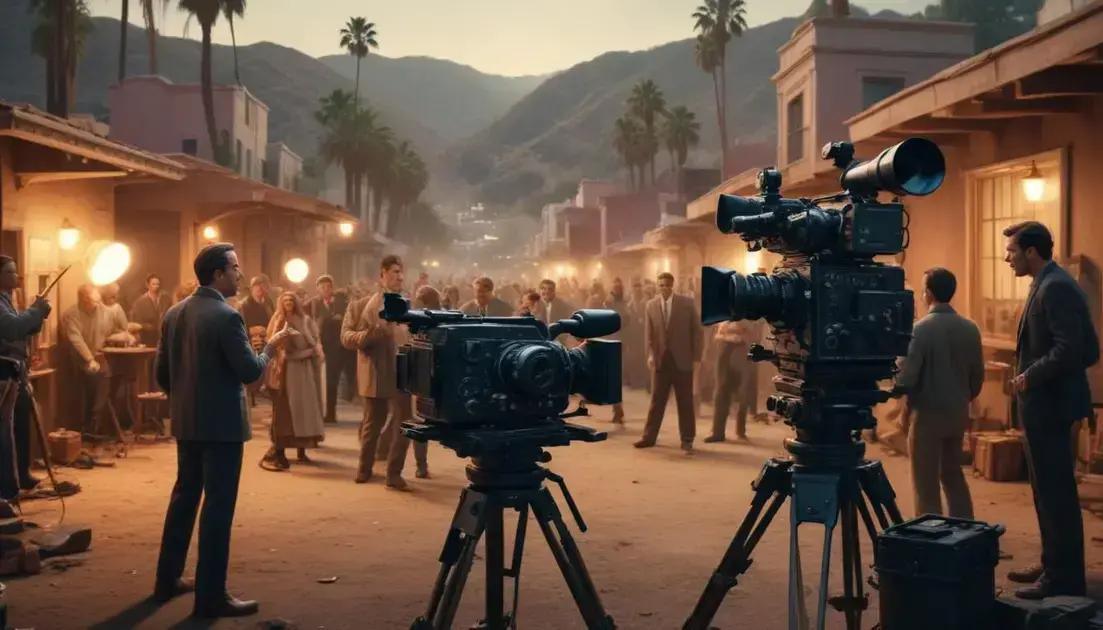
Hollywood: America’s Soft Power on Screen
The future of soft power through cinema is bright, as films will increasingly connect diverse cultures and spark social change. Advancements in technology, such as streaming and virtual reality, will expand reach and enhance storytelling. Furthermore, international collaborations are set to break barriers, while social media amplifies the impact of films on pressing global issues. The blend of cinema with activism promises to motivate audiences and inspire action, solidifying cinema’s role as a vital tool for fostering understanding and engagement in today’s world.
Hollywood isn’t just about the glitz and glam; it’s a powerhouse of influence, shaping perceptions worldwide. Ever wondered how films sway opinions and cultures so effortlessly?
The Role of Hollywood in Global Influence
The Role of Hollywood in Global Influence is a topic that grabs attention. Hollywood shapes opinions around the world through its powerful movies and shows. Films are more than entertainment; they send messages that can last long after the credits roll.
Many people look to films for inspiration and ideas. When they watch stories of heroes or dramatic plots, emotions run high. Audiences connect with characters on screen, feeling their joys and sorrows. This connection helps influence how people view different cultures and lifestyles.
Hollywood films often highlight values like friendship and courage. These themes shine through, creating a sense of familiarity for viewers everywhere. This shared experience can create understanding and bridge gaps between cultures, uniting us in our common hopes and dreams.
Moreover, films often address serious issues like racism, poverty, and war. These stories educate audiences, making them think about the world differently. When films tackle such topics, they spark conversations that can inspire change.
Documentaries also play a key role in shaping perspectives. They tell real stories that bring light to important matters. By revealing the truth behind events, they can challenge stereotypes and promote empathy.
Hollywood’s influence is felt far beyond the borders of the United States. Its reach extends to countries worldwide, where local cultures adapt and incorporate Hollywood trends. This blending creates a rich tapestry of global cinema.
In many ways, Hollywood helps to define what we see as normal or desirable. It has a hand in trends in fashion, language, and social behavior. From red carpet events to blockbuster premieres, the world watches closely, eager to partake in its allure.
The Impact of Film on American Culture
The Impact of Film on American Culture is huge and wide-ranging. Movies shape how we see ourselves and others. They reflect our values and beliefs. When we watch films, we not only feel entertained, but we also learn about our culture.
Films often highlight key social issues. They can bring attention to problems like racism, inequality, and love. For example, movies like “To Kill a Mockingbird” teach us about justice and moral courage. They raise important questions that make us think.
Also, films can create trends in fashion and slang. We might find ourselves using phrases from our favorite films. Whether it’s a cool catchphrase or a style, movies influence our daily lives in many ways.
Hollywood stars often become role models. Their on-screen personas and off-screen actions inspire millions. People look up to them, believing they represent what is desirable. This can affect how we act and what we aspire to achieve.
Through storytelling, films let us explore diverse experiences. Viewers can travel to different places and times just by watching. This broadens our understanding of the world beyond our borders. We learn to appreciate different cultures and their stories.
The impact of film can also be seen in politics. Political films can sway opinions and inspire movements. Movies like “Selma” remind us of our history and the fight for civil rights. Such films motivate people to take action and create change.
In summary, films are more than just a pastime. They shape our beliefs, influence our behavior, and inspire us to dream. The power of cinema in shaping American culture cannot be understated.
Analyzing Successful Hollywood Blockbusters
Analyzing Successful Hollywood Blockbusters reveals why some films resonate with audiences. Blockbusters are movies that earn a lot at the box office. They often have huge budgets and big-name stars. But success isn’t just about money; it’s about storytelling and connection.
Great blockbusters often follow tried-and-true formulas. They feature compelling characters, high stakes, and emotional journeys. Viewers crave stories they can relate to. Dragons and superheroes may be fictional, but their struggles mirror our own.
A strong plot is crucial. Many successful films build tension and keep viewers guessing. They leave you on the edge of your seat. Think of movies like “Inception” or “Jurassic Park.” These films grab our attention and don’t let go.
Another key to success is marketing. Hollywood spends big on advertising. Trailers, posters, and social media buzz create excitement. The right campaign can turn a movie into a cultural phenomenon. Blockbusters like “Star Wars” have generations of fans because of clever marketing strategies.
Blockbusters also often showcase innovative technology. Special effects enhance storytelling, making the impossible seem real. Films like “Avatar” changed how we view 3D movies. Audiences flocked to see the stunning visuals and vibrant worlds.
Moreover, well-timed releases matter. Summer and holiday periods often see the biggest hits. Families and friends gather for entertainment during these times. A summer blockbuster can become a tradition, drawing crowds to theaters year after year.
Finally, the talent behind the camera plays a crucial role. Directors, writers, and producers shape the final product. Visionary filmmakers like Steven Spielberg and Christopher Nolan have their own distinct styles. Their films often achieve blockbuster status because of their unique storytelling approaches.
The Future of Soft Power through Cinema
The Future of Soft Power through Cinema looks bright and promising. As technology advances, so does the reach of films. Today, streaming platforms connect filmmakers to global audiences. This opens doors for diverse voices and stories to be told.
Films will continue to play a role in shaping culture and politics. They can spark important conversations about issues we face globally. By addressing topics like climate change and social justice, cinema can engage and inspire audiences to take action.
Furthermore, the rise of international co-productions can enhance soft power. By collaborating with filmmakers from different countries, Hollywood can share ideas and perspectives. This helps to break down cultural barriers and promotes understanding.
Virtual reality (VR) and augmented reality (AR) are also changing the game. These technologies can provide immersive experiences that draw viewers into a storyline. Imagine walking through a film’s world—this could redefine how we connect with cinema.
As new generations become moviegoers, their preferences will drive content creation. Filmmakers are already focusing on representation and authentic storytelling. People want to see characters that reflect the world around them. This trend will likely continue, as audiences demand more inclusive narratives.
Social media is another tool for promoting soft power through cinema. Film marketing can go viral, reaching millions quickly. Movements like #MeToo and #BlackLivesMatter have shown how powerful media can lead to social change. Films spark discussions that can bring about real-world policies.
Finally, the fusion of cinema with social activism will shape the future. Film festivals and documentaries that spotlight urgent issues can inspire viewers to get involved. The combination of storytelling and activism creates a unique platform to promote global awareness.
Conclusion
In conclusion, the future of soft power through cinema is full of exciting possibilities. As technology grows, films will reach more people than ever before. This can help share diverse stories and connect cultures.
Movies will continue to highlight important issues, encouraging audiences to think and take action. International collaborations can break down barriers and foster understanding. New technologies like VR and AR will change how we experience films and engage with narratives.
Moreover, the rise of social media will amplify film’s influence, making it easier for powerful messages to go viral. By blending cinema with social activism, filmmakers can inspire change and awareness worldwide.
Overall, cinema remains a vital tool for soft power, shaping how we view our world and each other. Its ability to entertain, educate, and motivate makes it an essential part of our global culture.