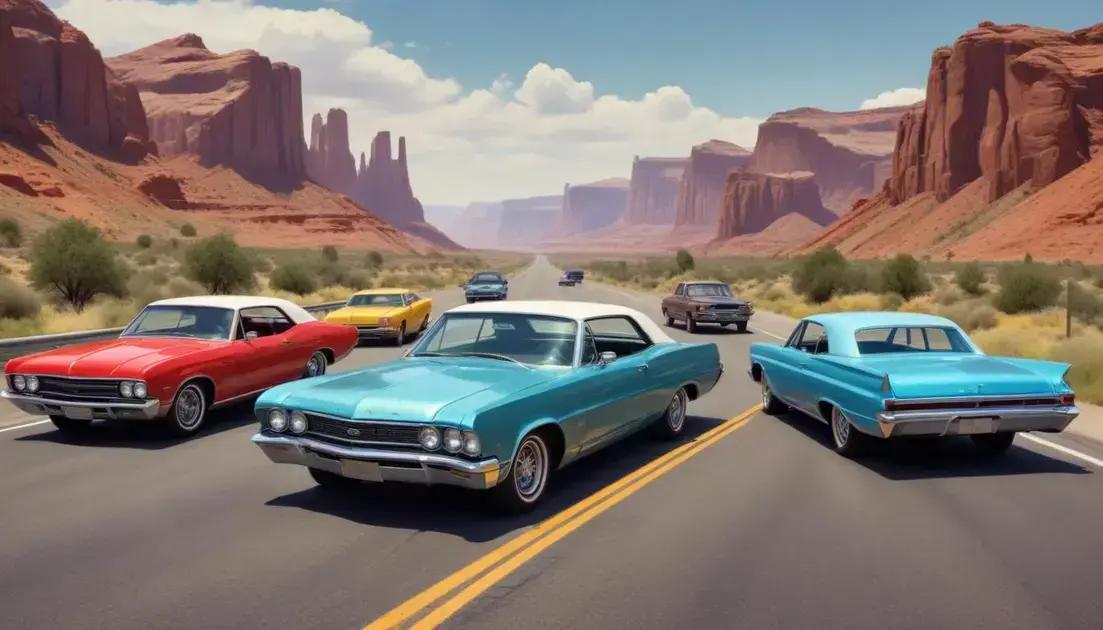
How America pioneered the age of cars
The automotive industry has significantly evolved, impacting American culture and society by providing unparalleled freedom and connectivity. Major innovations including electric vehicles and self-driving technology are shaping the future of transportation, promising safer and more eco-friendly driving experiences. As these advancements continue, cars will remain an essential part of our lives, adapting to new challenges and enhancing our everyday journeys.
Automobiles have revolutionized the way Americans live and interact with their environment. From the bustling cities to the serene suburbs, cars have become synonymous with freedom and mobility. Ever wondered how these machines shaped our culture? Let’s dive in!
The Birth of the Automobile: A New Era
The birth of the automobile marked a turning point in history. It opened a new chapter in transportation and freedom. Cars allowed people to travel further and faster than ever before. Suddenly, cities were connected like never before.
In the late 19th century, inventors began to dream big. They wanted machines that could take us places without needing horses. This idea sparked innovation. Different designs and engines emerged. Soon, the first practical cars hit the roads.
The Ford Model T, introduced in 1908, changed everything. It was affordable and reliable. Families could now own a car. This changed how people lived, worked, and played.
As cars became more popular, roads were built. Highways connected towns and cities. Gas stations and motels sprang up along the way. America embraced the open road.
People loved the sense of adventure that came with driving. Road trips became a favorite pastime. Families packed their bags and hit the highways. The automobile was a ticket to freedom.
But it wasn’t all smooth sailing. As cars multiplied, so did traffic and accidents. Cities had to adapt to handle the growing number of vehicles. Traffic lights and signs became essential for safety.
Today, we still feel the impact of the automobile’s birth. It shaped our culture and lifestyle. From car manufacturers to the way we plan communities, cars are a big part of American life.
Impact on American Society and Culture
The impact of cars on American society and culture is huge. They changed how we live, work, and play. Automobiles made it easier to travel longer distances. Families could drive to vacation spots or visit relatives in other states.
Cars also shaped our cities. Streets were designed for vehicle traffic. Parking lots and gas stations became common sights. This new layout helped boost local businesses and created jobs.
On a cultural level, cars became symbols of freedom and independence. For many, owning a car is a rite of passage. Teens dream of getting their driver’s license and hitting the road.
Road trips are part of American culture. Families pack their bags and explore the country together. The notion of the open road represents adventure and discovery.
Cars influenced music and film, too. Songs about driving and freedom abound. Movies often feature exciting car chases or heartfelt journeys. This connection shows how deeply cars are engrained in our lives.
However, the rise of the automobile brought challenges. Traffic congestion became a common issue in cities. Air pollution grew as more cars hit the roads. These problems have led to new discussions about sustainable transportation.
Despite these challenges, the automobile remains a core part of American identity. It continues to shape our society, culture, and daily lives.
The Evolution of Cars in America
The evolution of cars in America tells a fascinating story. Early vehicles were simple and slow. They didn’t resemble the fast machines we know today. Over time, innovation led to amazing changes in design and technology.
The first mass-produced car was the Ford Model T. Launched in 1908, it made cars affordable for regular families. This started a wave of automobile ownership across the nation.
During the 1920s, cars became more stylish and powerful. Designers focused on new shapes and colors. They added features like better engines, radios, and comfortable seats. The idea of luxury cars began to emerge.
After World War II, car culture exploded. Families wanted bigger cars for road trips. Muscle cars took center stage in the 1960s. These cars boasted strong engines and sleek designs. They became symbols of freedom and adventure.
The 1970s brought challenges, like oil crises and growing safety concerns. This led to the introduction of smaller, more fuel-efficient cars. Brands like Honda and Toyota gained popularity during this time.
In recent years, electric cars have emerged as the future of driving. Brands like Tesla have pushed the envelope with new technology. These cars are not only eco-friendly but also fast and fun to drive.
Today, the evolution of cars in America continues. Innovations like self-driving technology and smart features are changing how we think about transportation. Cars are not just vehicles; they’re becoming complex machines connected to the internet.
Future of Automotive Innovation
The future of automotive innovation is exciting. New technologies are changing how we think about cars. Electric vehicles (EVs) are leading the way. They help reduce pollution and rely less on fossil fuels.
Many car companies are investing in EV technology. More charging stations are being built. This makes it easier for people to switch to electric cars. Soon, we might see more vehicles on the road that run entirely on electricity.
Another big change is autonomous driving. Self-driving cars are no longer just a fantasy. Companies are testing these cars on real roads. This technology aims to make driving safer and more convenient.
Connected cars are also on the rise. Vehicles that communicate with each other and the infrastructure can help prevent accidents. They can alert drivers to traffic and road conditions. This improves overall safety and efficiency.
Advanced driver-assistance systems (ADAS) are gaining popularity. Features like lane-keeping assistance and adaptive cruise control are making driving easier. These help reduce stress and make driving more enjoyable.
The use of artificial intelligence (AI) in cars is growing. AI can personalize the driving experience. It can learn from the driver’s habits and adjust settings automatically. Imagine a car that knows your favorite route or music!
With all these changes, the industry is pushing for more sustainable practices. Manufacturers are working to reduce waste in production. They’re also looking for ways to recycle old vehicles and their parts.
The automotive world is evolving quickly. As technology continues to advance, cars will become smarter, safer, and more environmentally friendly.
Conclusion
To sum up, the evolution of automobiles has greatly shaped American life, from the way we travel to how we build communities. Cars provided freedom and became a key part of our culture. Understanding their impact helps us appreciate the journey.
Looking ahead, we’re on the brink of exciting changes in the automotive world. Innovations like electric vehicles, self-driving technology, and smart features are just the beginning. These advancements aim to make our roads safer and our air cleaner.
As car technology continues to improve, we must stay informed and adaptable. The future of driving is bright, and embracing new ideas will help us navigate it successfully. Overall, cars will remain essential to our lives, evolving with our needs and challenges.