How America pioneered weather prediction
Weather prediction has significantly advanced through history, evolving from simple folklore to sophisticated technology. Key developments include the creation of vital instruments like the barometer, the use of weather maps, and the implementation of radar systems. Modern forecasting relies heavily on satellites and computer modeling, which provide accurate, real-time data. Looking ahead, advancements in artificial intelligence and data collection will further improve the reliability of forecasts, helping people prepare for various weather conditions effectively.
Weather prediction has come a long way, evolving from folklore to a crucial science. Ever wonder how forecasters predict storms? Let’s dive in!
History of weather prediction
The history of weather prediction is fascinating and shows how much we’ve learned over time. Long ago, people used simple signs from nature to guess the weather. They looked at animal behavior and listened to the wind for clues. Today, we know a lot more, thanks to science and technology.
Early Signs and Folklore
Many cultures had their own ways of predicting the weather. Farmers would watch the sky and use the moon phases to determine when to plant crops. For example, some believed that if the robin sang early in the spring, it meant summer would be warm.
The Birth of Meteorology
In the 17th century, the invention of the barometer changed everything. Scientists like Galileo and Torricelli started measuring air pressure. This helped them understand how weather patterns worked.
Advancements in Forecasting
By the 19th century, telegraphs allowed meteorologists to share information quickly. They began to combine data from different locations to make better predictions. The first official weather service in the United States was created in 1870.
Modern Meteorology
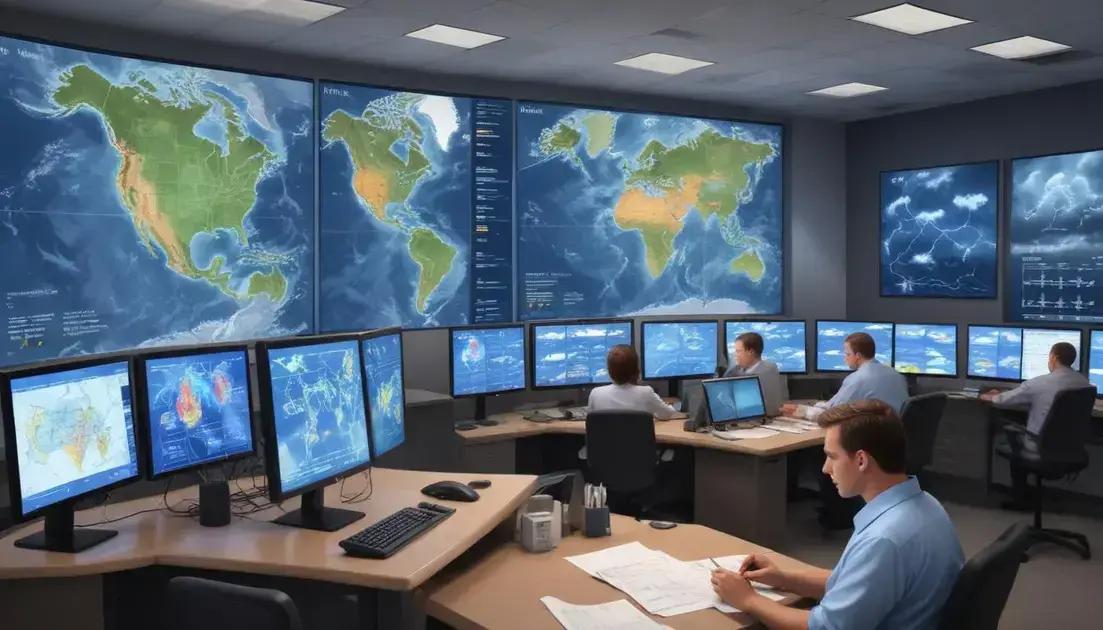
Today, weather prediction uses advanced technology like satellites and computer models. Meteorologists can analyze vast amounts of data to forecast the weather accurately. This helps people prepare for storms and other extreme conditions.
Weather prediction has evolved a lot from its simple beginnings. Each discovery led to better understanding and respect for nature’s power. With continued advancements, the future of forecasting looks bright.
Key developments in meteorology
Key developments in meteorology have shaped how we understand and predict the weather. From the first instruments to modern technology, each step has made a big difference.
The First Instruments
In the 1600s, inventors created instruments like the barometer and thermometer. These tools helped people measure air pressure and temperature. This was a major leap forward in predicting the weather.
Weather Maps
By the 19th century, meteorologists began using weather maps to track storms. These maps showed weather patterns across large areas. This was important for understanding how weather behaved.
Telegraph Communication
The invention of the telegraph changed how meteorologists shared information. They could send weather data quickly between cities. This helped them make better forecasts based on more data.
Satellite Technology
In the mid-20th century, satellites were launched into space. They allowed scientists to see weather systems from above. This offered a whole new view of storms and helped improve forecasting.
Computer Models
Today, computers use complex models to predict the weather. These models analyze data from many sources. They consider factors like wind, temperature, and humidity to make predictions more accurate.
With all these key developments, meteorology continues to evolve. Each change has helped us better prepare for weather events and understand our climate.
The role of technology in forecasting
The role of technology in forecasting is crucial for modern meteorology. It helps us predict the weather with more accuracy than ever. From satellites to computer models, technology plays a big part.
Satellites in Weather Forecasting
Satellites in space provide real-time images of weather patterns. They can track storms and monitor cloud movements. This information is vital for predicting severe weather events early.
Radar Technology
Radar systems help detect precipitation, such as rain or snow. They send out signals that bounce back when they hit rain droplets. This allows meteorologists to see where storms are forming and moving.
Data Collection and Analysis
Weather stations gather data from the ground, like temperature and humidity. This data, combined with satellite and radar information, gives a full picture of current conditions.
Computer Modeling
Advanced computer models simulate weather patterns. They use data to predict what the weather will be like in the future. These models consider many factors to improve accuracy.
Thanks to technology, we can make quicker and more reliable forecasts. This helps everyone prepare for the weather, whether it’s a sunny day or a dangerous storm.
Future of weather prediction
The future of weather prediction looks very promising with new advances. Scientists and tech experts are working together to make forecasts even better.
Improved Technology
New satellites will offer clearer images of our atmosphere. These advancements will help detect storms earlier and give better data.
Artificial Intelligence
AI is becoming a crucial tool in meteorology. It can analyze massive amounts of weather data quickly. This helps meteorologists make faster and more accurate predictions.
More Data Sources
Weather prediction will also rely on more data sources. Internet-connected devices will provide real-time information about local weather conditions. This will help create hyper-local forecasts.
Climate Modeling
As we learn more about climate change, we can create better models. These models will help us understand future weather patterns and extreme events.
In the future, weather predictions will become more reliable. This will help everyone, from farmers to travelers, plan their days better.
Conclusion
In conclusion, the evolution of weather prediction has come a long way. Thanks to technology, we can now forecast weather with greater accuracy. Tools like satellites and computer models help us better understand our environment.
As we look to the future, innovations like artificial intelligence and real-time data will enhance our forecasts even more. This ensures we can plan ahead for whatever nature throws our way.
By continuing to adapt and improve our forecasting methods, we can keep ourselves and our communities safe. The future of weather prediction is bright, and it will play a vital role in our daily lives.