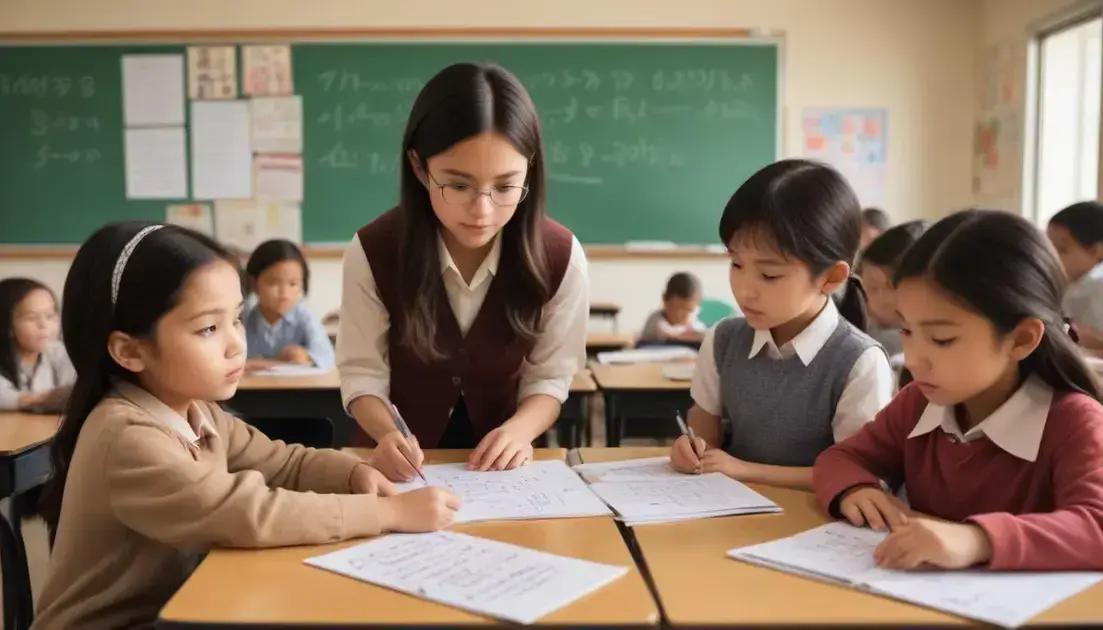
How schools taught ideology in East and West
Education plays a vital role in shaping ideology, with significant differences between Eastern and Western systems. Eastern education often emphasizes memorization and respect for authority, while Western schools promote creativity and critical thinking. Mathematics can serve as a tool for ideological creativity, encouraging problem-solving and innovative thinking. Children’s perspectives on these educational approaches reveal their need for engaging and supportive environments that foster open dialogue, helping them develop their own beliefs and values.
Ideology isn’t just for politics; it shapes the way children learn in schools. Explore how educational systems differ.
The Role of Education in Shaping Ideology
Education plays a big role in shaping ideology. From a young age, kids learn not just facts but also ideas about the world. Schools aren’t just places for math and reading; they influence how we think and feel about various topics.
In many countries, education reflects cultural values and beliefs. For instance, in some Eastern schools, there can be a focus on group harmony and respect for authority. This can guide how students view their place in society.
How Schools Influence Ideology
Teachers share their views, and textbooks are chosen based on what is important in that culture. Kids absorb these lessons and start to form their ideas. This can create a shared understanding among students about what is valuable and true.
Critical thinking is also key. Schools that encourage discussion and debate help kids explore different viewpoints. When students learn to think critically, they can question what they are taught and come up with their own beliefs.
The Impact on Future Generations
The ways kids are educated can echo through the years. When children grow up with certain ideologies, they might pass these beliefs on to their own kids. This creates a cycle where ideology is learned and shared through generations.
In turn, this can shape a community’s values and identity. It’s essential for schools to be aware of this influence and strive for balance, presenting various ideas and perspectives.
Education is more than just learning subjects; it shapes our thinking and how we view our world. Understanding this can help parents, teachers, and policymakers create a better learning environment for future leaders.
Comparing East and West Educational Systems
When we look at educational systems, the differences between East and West stand out. These systems shape students’ thoughts in unique ways. In many Eastern countries, schools focus on memorization and respect for teachers. This method builds a strong foundation in basics like math and science.
On the other hand, Western schools often encourage creativity and critical thinking. Here, students are taught to ask questions and explore their ideas. They participate in group projects that foster teamwork and innovation. This can help students develop their own beliefs and opinions.
Curriculum and Teaching Styles
Curriculums vary widely. Eastern education often emphasizes standardized tests. Students prepare for these exams with a lot of practice. In contrast, Western education values diverse learning methods. Teachers use discussions, hands-on projects, and real-world applications to engage students.
This difference affects how students view learning. In the East, students might see education as a path to success. In the West, learning is often viewed as a fun and enriching experience.
Social and Cultural Influences
Culture plays a big part in these differences. Eastern cultures may place greater importance on family and community. Educators focus on social harmony and responsibility. In comparison, Western cultures often celebrate individualism and personal achievement.
As students learn about their values, they also see the world through their culture’s lens. This shapes not just their education but their ideology too.
Despite these differences, both systems aim to prepare students for the future. Understanding how they approach education can help us appreciate the diverse ways people learn and grow.
Mathematics as a Tool for Ideological Creativity
Mathematics isn’t just about numbers; it can also spark ideological creativity. Many people see math as a strict subject, but it offers a lot more. It encourages problem-solving and critical thinking. These skills are vital for developing unique ideas and beliefs.
In some classrooms, teachers use math to teach broader concepts. For example, they might connect math problems to real-world issues. This helps students understand how math relates to society and culture.
Applying Math to Real Issues
By using math to analyze social problems, students can explore different viewpoints. They learn to ask questions like: How can we use math to improve our community? This kind of thinking encourages them to be creative and think outside the box.
Students can also use math to express their ideas visually. They create graphs and charts that illustrate complex data. This visual approach makes their ideas clearer and helps others understand their perspective.
Building Skills through Collaborative Projects
Group projects involving math can enhance creativity. Students work together to find solutions to challenging problems. This teamwork often leads to innovative ideas that one person might not have thought of alone.
In these settings, students learn to value different opinions. They see how diverse thoughts can lead to better conclusions. Overall, math serves as a powerful tool for fostering creativity and critical thinking.
Children’s Perspectives on Ideological Education
Children often have fresh and unique perspectives on ideological education. Their views can help us see how education impacts their thoughts. Kids are like sponges; they soak up ideas from teachers, friends, and family. This influences how they think about the world.
When asked about what they learn, many children express their thoughts openly. They may think education should be fun and engaging, not just about rote memorization. Kids often enjoy learning through stories, discussions, and hands-on activities.
How Ideology Shapes Their Views
Children may notice when a lesson feels biased. They might question why certain topics are taught instead of others. This questioning reflects their growing critical thinking skills. It shows they are learning to evaluate different viewpoints.
Kids also discuss their dreams and ideas inspired by what they learn. You might hear them talk about fairness, justice, or community. These conversations are crucial for developing their own values and beliefs.
The Role of Teachers and Parents
Teachers and parents play a key role in shaping these perspectives. A supportive environment encourages kids to express themselves. When children feel safe to share their thoughts, they learn to think for themselves.
Through conversations at home or school, kids can unpack complex topics. This helps them connect lessons to real-life situations. In turn, these discussions can shape their ideologies in meaningful ways.
Conclusion
In conclusion, understanding how education shapes ideology is crucial for our future. Both Eastern and Western systems offer unique perspectives that influence how children think. By exploring math as a tool for creativity, we see how problem-solving can foster open-mindedness and critical thinking.
Children’s insights on ideological education remind us of the importance of fostering a supportive environment. Encouraging kids to express their thoughts helps them develop their own beliefs and values. Ultimately, our role as educators and parents is to guide them through this journey of discovery, allowing them to become thoughtful and engaged citizens.