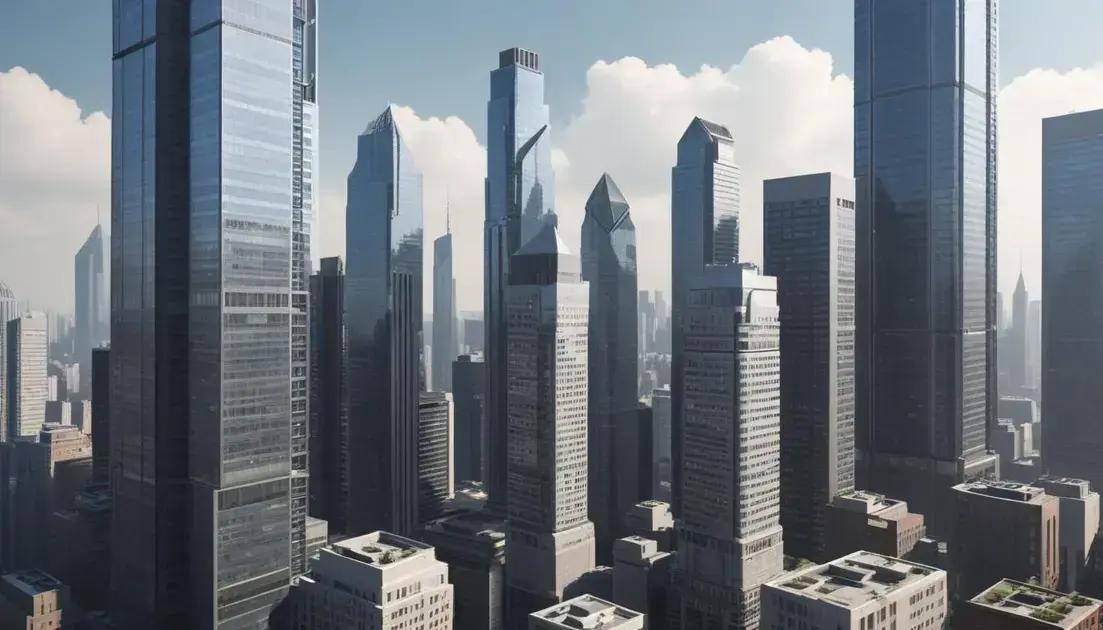
How the Elevator Built the American Skyline
Elevators have transformed urban architecture by enabling the construction of tall buildings and iconic skyscrapers. Innovations such as smart technology and energy-efficient systems enhance their functionality. Case studies like the Empire State Building and Burj Khalifa showcase how elevators play a critical role in urban design and accessibility. As technology advances, the future of elevators promises even greater efficiency and integration in our cities.
Elevator technology has dramatically shaped our cities, allowing them to rise high above the ground. Have you ever wondered how this innovation changed the way we live and work? Join us as we explore its profound impact!
The history of elevators
The history of elevators is fascinating and essential for understanding how we build today. It all started in ancient times when simple hoisting devices were used. These basic systems were often just ropes and pulleys that helped move people and goods.
In the 19th century, elevators took a big step forward with the invention of the steam-powered elevator. This allowed for heavier loads and more efficient travel between floors. Buildings became taller, and cities started developing upward instead of outward.
The introduction of safety features was a game changer. In 1853, Elisha Otis created a safety brake that made elevators much safer. This invention led to more people trusting elevators and using them in tall buildings.
Electric elevators began to appear in the late 1800s. They were faster and offered more control. With this new technology, skyscrapers became popular. It changed the skyline of cities forever.
Throughout the 20th century, elevators continued to evolve. Designs improved, and technology advanced. Today, we have elevators that are energy-efficient and even smart. They can respond to how many people are in them and where they need to go.
The impact on urban architecture
The impact of elevators on urban architecture is huge. They changed how cities look and grow. Before elevators, buildings were usually low. People didn’t go more than a few stories high. With elevators, architects could design skyscrapers.
Skyscrapers are tall buildings that define modern cities. They can be found in places like New York and Chicago. Elevators made it possible to build these impressive structures. Now, many people can live and work in them.
Elevators have also changed city planning. Developers can use less land for buildings. It allowed for more green spaces and parks in crowded cities. This way, elevators help us use space better.
The design of buildings has evolved, too. Architects consider elevator placement when designing a new building. They want to make sure everyone can easily access each floor. This focus on accessibility has made cities friendlier for all.
Adding elevators to buildings also increases their value. People are willing to pay more for space in a building with good elevator access. It’s a win-win for anyone involved in real estate.
Elevators as a symbol of progress
Elevators have become a symbol of progress in our modern world. They represent the advances in technology and design. When elevators were invented, they changed how people moved in buildings. They made it easier to go up and down quickly.
As cities grew taller, elevators helped shape their skylines. We now associate tall buildings with wealth and innovation. It shows how far we’ve come in architecture and engineering.
Many view elevators as a sign of progress. They allow us to live and work in high-rise buildings. This lets more people fit into smaller spaces. Urban areas became more crowded, but elevators made this possible.
Elevators also symbolize equal access. They help people of all abilities reach different floors. This makes buildings more inclusive for everyone, from young children to the elderly.
Moreover, elevators represent sustainability. Modern elevators are designed to be energy-efficient. They use less power and help reduce a building’s carbon footprint. This focus on sustainability shows our commitment to a better future.
Future of elevator technology
The future of elevator technology looks bright and exciting. As cities continue to grow, we need better ways to move people. New advancements are making elevators faster, smarter, and more efficient.
One trend is the rise of smart elevators. These systems use AI to learn how people move in buildings. They adapt to needs, reducing wait times and improving overall efficiency. It’s like having a personal elevator driver!
Another cool innovation is destination dispatch technology. Instead of pressing a button inside the elevator, you choose your floor on a control panel. The system groups passengers heading to the same floor, making trips quicker. This makes it easier for everyone, especially in busy buildings.
We’re also seeing elevators that can travel both vertically and horizontally. Known as “multi-directional elevators,” they can move in any direction. This means we can save space in buildings by eliminating the need for multiple shafts.
Energy efficiency is a big focus, too. Modern elevators are designed to consume less power. Some even regenerate energy when they lower loads, which can help reduce a building’s carbon footprint.
As technology evolves, elevators will continue to enhance our urban experience. They’re more than just a means to get from one floor to another. They’re becoming essential components of our cities’ future.
Case studies of iconic buildings
Case studies of iconic buildings show how elevators shape our cities. One famous example is the Empire State Building in New York City. When it was built in 1931, it had state-of-the-art elevators. These elevators helped the building rise quickly to 102 stories.
Another great example is the Burj Khalifa in Dubai. It is the tallest building in the world. Its high-speed elevators can travel up to 40 miles per hour! This makes it easier for people to enjoy the view from the top.
The Willis Tower, formerly known as the Sears Tower, in Chicago is another impressive building. Its skydeck offers stunning views, and visitors reach it quickly thanks to efficient elevators. This design has made it a popular tourist destination.
The Shanghai Tower in China has unique elevators that can travel both vertically and horizontally. This means that it can move to different sides of the building, creating new access points. It shows how elevators can innovate architectural design.
These case studies teach us about the importance of elevators in skyscrapers. They not only help people move but also shape how we experience some of the world’s most famous landmarks.
Conclusion
In conclusion, elevators are much more than just a way to move between floors. They represent the progress of technology and its impact on our urban environments. The evolution of elevators has allowed architects to design taller buildings and create iconic skylines.
From smart elevators that adapt to our needs to energy-efficient systems that help the environment, the future looks promising. As we look at case studies of famous buildings, we see how elevators enhance our experiences in these spaces.
So, the next time you step into an elevator, remember how it changed our cities and lives. It’s not just a ride; it’s a symbol of what we can achieve when we innovate and push boundaries.