John Adams and the fight to define democracy
John Adams significantly influenced modern democracy through his principles of checks and balances, rule of law, and individual rights. His commitment to an informed public remains vital, encouraging citizen engagement in governance. Adams’ legacy continues to shape discussions on civil liberties, ensuring that the ideals of justice and equality are upheld in contemporary society.
Democracy has always been a contentious topic, and few figures shaped its understanding like John Adams. Interested in how his ideas influence us today?
The Early Life of John Adams
John Adams was born on October 30, 1735, in Braintree, Massachusetts. He grew up in a farming family and went to school in a small town. Young Adams was smart and loved learning from a young age. He enjoyed reading books and often borrowed them from neighbors.
Adams attended Harvard College, where he studied law. It was here that he began to form his views on government and people’s rights. After graduating, he worked as a schoolteacher before becoming a lawyer. This change helped him understand more about justice and the law.
His early career was marked by hard work. Adams sought to build a name for himself in the legal community. He took on various cases and earned the respect of his peers. His passion for justice and fairness began here, shaping his future role in American history.
As tensions grew between the American colonies and Britain, Adams believed strongly in independence. He was not afraid to speak his mind about liberty. This would lead him to become one of the key figures in the fight for freedom.
Throughout his early life, John Adams developed the character traits that would define him. He was determined, hardworking, and always sought to do what he believed was right. These experiences paved the way for his later accomplishments.
Adams’ Family Background
John Adams came from a well-respected family. His father was a farmer and his mother was a homemaker. They taught him the values of hard work and education. This upbringing played a vital role in shaping his future.
Adams and his wife, Abigail, shared a strong bond. She was influential in his life, advising him on political matters. Their partnership proved crucial as they navigated the challenges of the American Revolution together.
In his early years, Adams faced many challenges that tested his beliefs. But through these struggles, he became more committed to the idea of democracy and human rights, leading him to his significant role in American history.
Adams’ Role in the American Revolution
John Adams played a vital role in the American Revolution. His passion for liberty made him a strong leader among the colonies. Adams was a firm believer in fighting against British oppression. He argued that people should have the right to govern themselves.
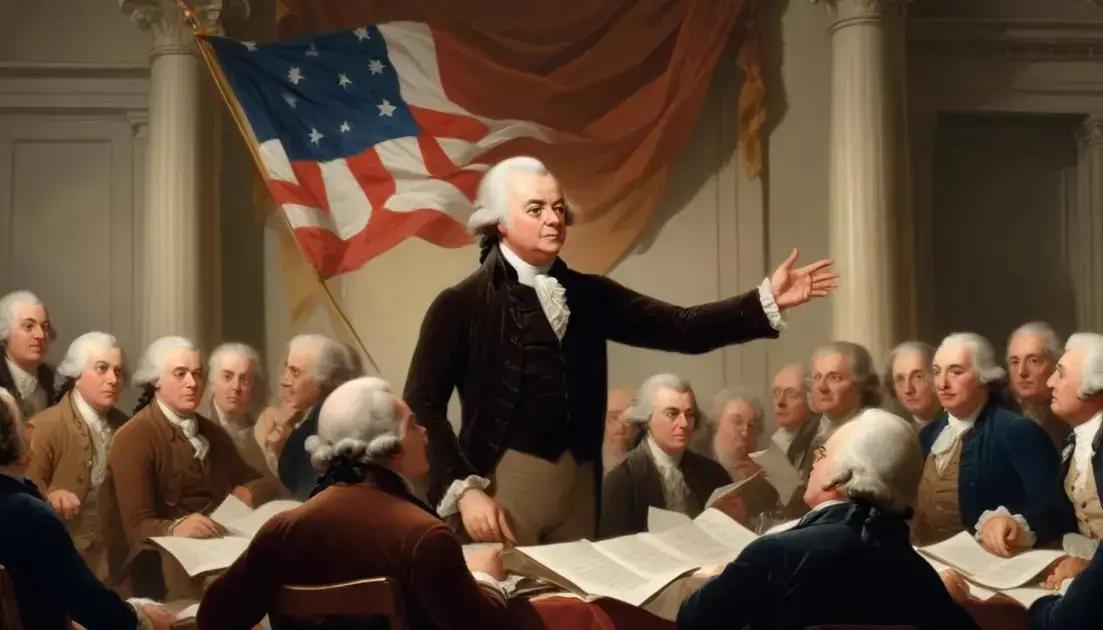
Adams was an important voice in the Continental Congress. He worked hard to rally support for independence from Britain. He believed that a break from British rule was necessary for the colonies to thrive. His speeches inspired many and stirred up revolutionary fervor.
One key moment was his defense of the British soldiers after the Boston Massacre. Adams believed in justice, even for those on the wrong side. His decision showed his commitment to fair trials and the rule of law. This strengthened his reputation as a fair-minded leader.
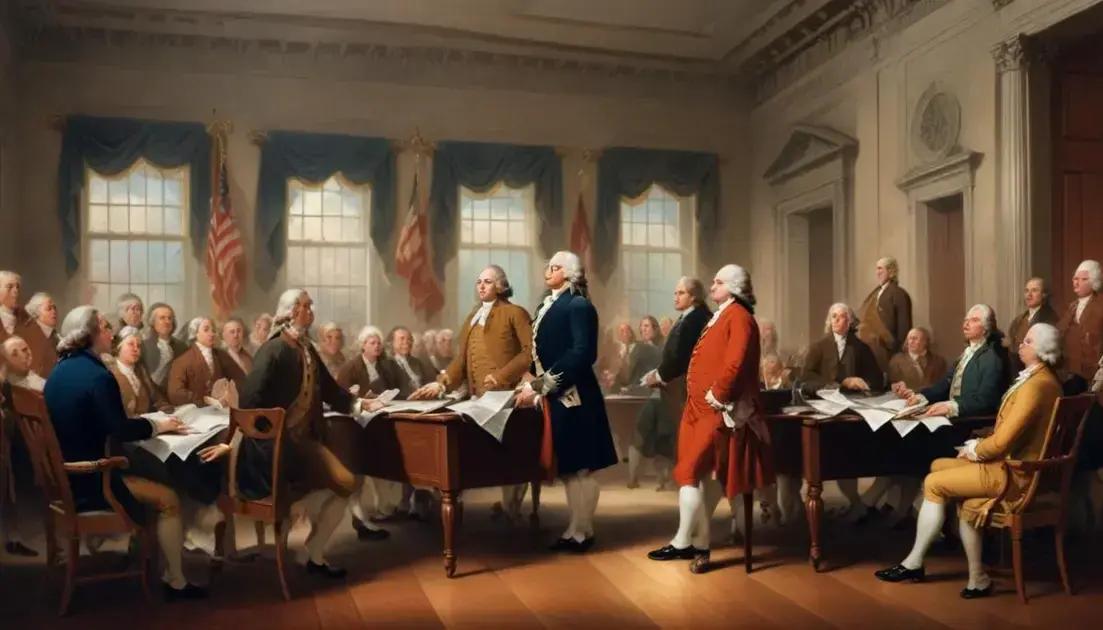
He also helped draft the Declaration of Independence. Working alongside Thomas Jefferson and others, Adams made sure the document expressed the colonies’ desire for freedom. His contributions gave the declaration meaning and power.
After the Declaration was signed, Adams continued to push for support from other countries. He knew that foreign alliances were crucial for success. Adams traveled to France and the Netherlands to gather support for the American cause.
Throughout the war, Adams remained dedicated to the fight for freedom. He never wavered in his beliefs about democracy and human rights. His leadership during this time helped shape the course of American history.
Defining Democracy through Adams’ Lens
John Adams had a unique view on democracy. He believed it was more than just a government system. For Adams, democracy meant protecting the rights of individuals and promoting equal opportunities for all. He fought for the idea that every voice matters.
Adams thought that the government should serve the people. This meant that leaders needed to be accountable. He argued that citizens should actively participate in decision-making. This belief drove his actions throughout his political life.
He understood that democracy thrives on education. Adams felt that an informed public is vital to a healthy democracy. He encouraged learning and critical thinking among citizens. Knowledge empowers people to make better choices for their communities.
Another key point for Adams was balancing power. He worried about tyranny, or excessive power over the people. To him, democracy meant separating powers within the government. This way, no single branch could dominate or abuse its authority.
Adams also believed in the importance of laws. They should protect the rights of everyone, not just the powerful. He worked hard to create a system that valued fairness and justice. His dedication to these principles laid the groundwork for American democracy today.
Through his lens, democracy was about striving for a better society. It was a continual process, requiring patience and effort from all citizens. Adams believed that everyone has a role in making democracy work.
Impact on Modern Governance
The ideas of John Adams have greatly influenced modern governance. His beliefs about democracy still resonate today. They shape how we view leadership and citizen rights. Adams believed that a government should represent the will of the people.
One important aspect of Adams’ vision is checks and balances. He wanted to prevent any one group from holding too much power. This idea is central to the structure of modern governments. It ensures that no branch can overpower another.
Adams also championed the rule of law. He argued that laws should apply equally to everyone. This principle continues to be vital in today’s legal systems. It helps protect individual rights and ensure justice.
Moreover, Adams valued education. He thought it was crucial for a functioning democracy. A well-informed public can make better choices and hold leaders accountable. This focus on education remains important in our society.
Adams’ strong stance on individual rights has influenced many democratic movements. His ideas encouraged citizens to demand their freedoms. This spirit of activism is still seen in modern governance today.
In addition, his advocacy for civil liberties laid the groundwork for human rights discussions. He believed that these rights are essential to democracy. Today’s governments strive to protect these liberties, reflecting Adams’ lasting legacy.
Legacy of John Adams
John Adams left a rich legacy that shapes America today. His ideas on democracy and governance influenced many leaders. Adams believed in the importance of individual rights and justice for all. This belief laid a strong foundation for the future of the United States.
One major part of his legacy is the principle of checks and balances. Adams pushed for a government structure where power is shared. This system prevents any one branch from becoming too strong. It ensures fairness in leadership.
Adams also fought for the rule of law. He felt that laws should apply equally to everyone. This ensures that all citizens have rights and protection. His commitment to justice resonates in today’s legal systems.
Moreover, Adams valued education. He championed the idea that an informed public is essential for democracy. This focus on education continues to inspire our society. It encourages citizens to be proactive about their rights.
Adams’ founding principles have inspired many civil rights movements. Activists refer to his ideas when pushing for equality. His focus on freedoms and responsibilities is still relevant today.
In time, Adams has become a symbol of integrity in leadership. His honesty and dedication set a standard for future leaders. Many look to his life for inspiration in public service.
Conclusion
In conclusion, John Adams’ impact on democracy and governance is profound and lasting. His belief in the importance of rights and the rule of law continues to inspire us today. By advocating for checks and balances, he helped create a fair government structure that protects citizens.
Adams also emphasized the value of education, reminding us that informed citizens are crucial to democracy. His legacy encourages people to stay engaged and demand their rights. We can look to his life and principles as guiding lights in our own democratic journey.
As we reflect on Adams’ contributions, it’s clear that his vision for a just society remains relevant. Respecting individual rights and upholding the law are essential for a thriving democracy. John Adams set a strong example, showing us the power of integrity and commitment in leadership.
Tags: