Leonardo da Vinci: The Mind of Genius
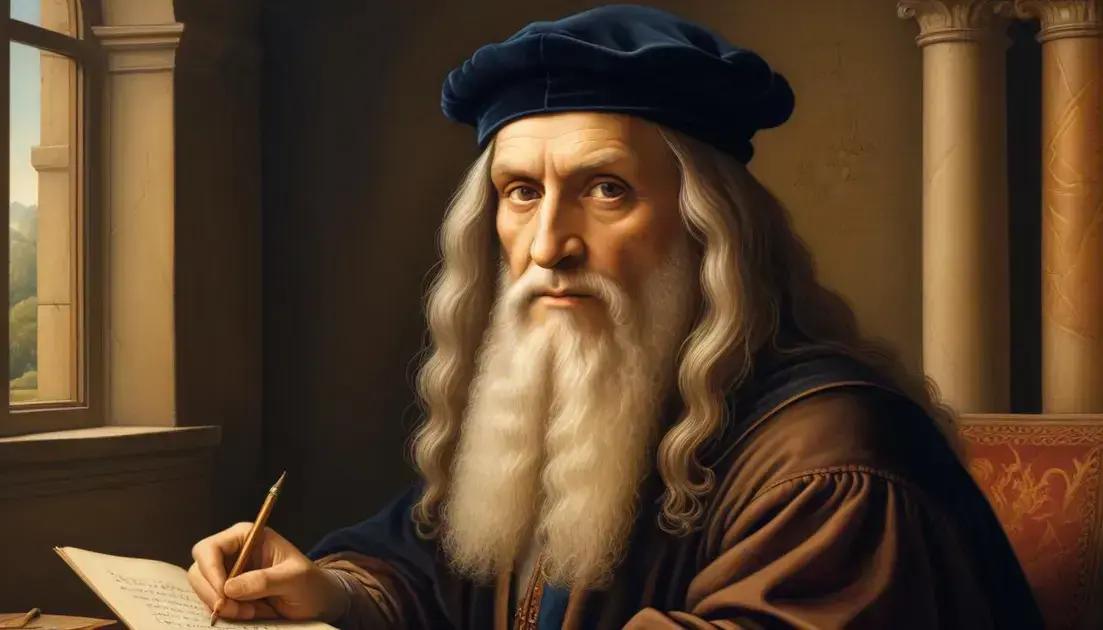
Leonardo da Vinci was a Renaissance genius known for his profound contributions to both art and science. His masterpieces, like the Mona Lisa and The Last Supper, showcase his incredible skill and innovative techniques in painting. Beyond art, da Vinci’s curiosity and detailed observations led to groundbreaking ideas in anatomy and inventions such as flying machines. He emphasized the importance of continuous learning, creativity, and connecting different disciplines, inspiring future generations to explore and innovate.
Leonardo da Vinci was not just an artist; he was a thinker who embodied the Renaissance spirit. But what drives such brilliance?
The Life of Leonardo da Vinci
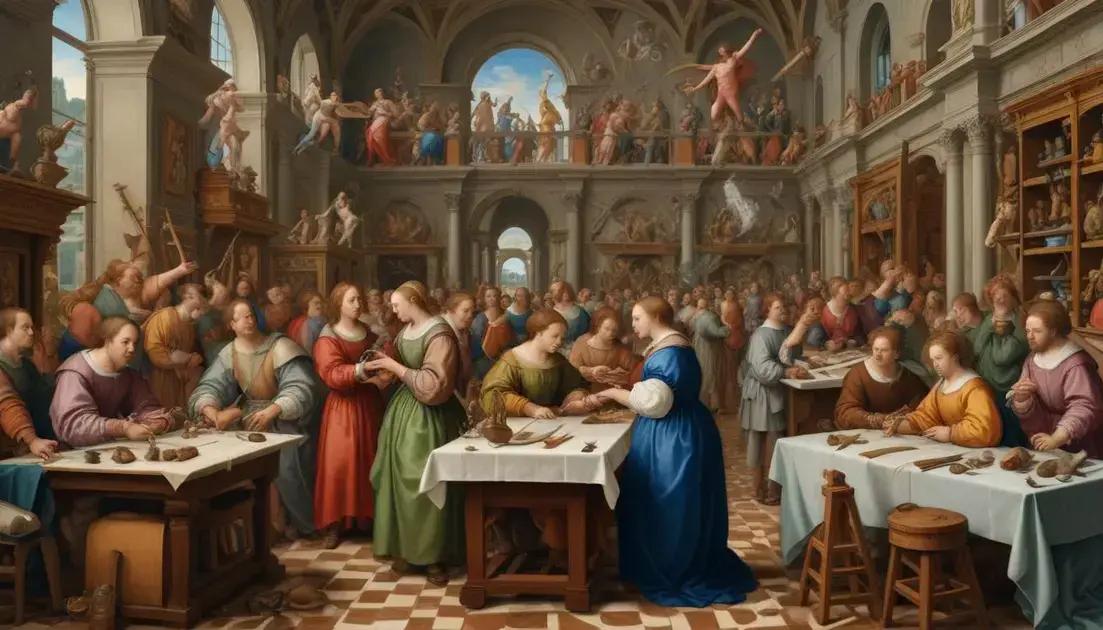
Leonardo da Vinci was born on April 15, 1452, in Vinci, Italy. He grew up in a small town surrounded by beautiful countryside. From a young age, he showed a keen interest in art and nature. With his talent, he moved to Florence, where he trained as an artist. Renaissance ideas were blossoming in Florence, and Leonardo fit right in.
He spent years studying anatomy, painting, and experimenting with different techniques. His sketches and notebooks reveal his curiosity about the world around him. This curiosity led him to explore not just painting but also inventions and science.
Leonardo’s works, like the Mona Lisa and The Last Supper, are renowned worldwide. Each piece contains deep emotion and masterful technique. These masterpieces reflect his understanding of human expression and light.
He didn’t just focus on art; he also designed machines. His notebooks include ideas for flying machines, bridges, and even armored vehicles. These ideas were ahead of his time and show his brilliant mind.
Leonardo spent his last years in France, where he continued to create art and share knowledge. He died on May 2, 1519, but his legacy lives on through his breathtaking art and innovative ideas. His life teaches us about the power of curiosity and creativity.
His Major Works
Leonardo da Vinci created many famous artworks that changed the world of art. Two of his most well-known pieces are the Mona Lisa and The Last Supper. Each piece shows his amazing skill and understanding of human emotions.
The Mona Lisa is famous for her mysterious smile. This painting captures the viewer’s attention. It’s a portrait of a woman, likely Lisa Gherardini. Leonardo used sfumato, a technique that creates soft transitions between colors. This makes the painting look lifelike.
The Last Supper is another masterpiece painted on the wall of a monastery. It shows the moment Jesus announces that one of his disciples will betray him. The expressions and movements of the figures tell a powerful story. Each disciple reacts differently, showing their shock and confusion.
Leonardo didn’t stop at just painting. He designed inventions like flying machines and tanks. His sketches reveal a mind that dreamed about the future. These designs were incredible for his time. They show his interest in both art and science.
His notebook sketches are also important. They include detailed studies of the human body, plants, and animals. This research helped him in his art, making his work realistic and expressive.
The Influence of Da Vinci on Art and Science
Leonardo da Vinci’s impact on both art and science is immense. He didn’t just create beautiful paintings; he also inspired future generations. His curiosity about the world led him to explore many subjects.
In art, Leonardo changed how people viewed realism. He used light and shadow to create depth. His techniques made his subjects feel alive. Other artists looked to him for guidance and inspiration.
Leonardo’s study of anatomy helped him understand the human body. This knowledge showed in his paintings, where each muscle and bone looked natural. His detailed drawings of the human form are still used in medical studies today.
In science, da Vinci’s sketches of inventions were groundbreaking. He imagined flying machines and other technologies that would not exist for centuries. His notebooks contain ideas that showcase his incredible imagination.
Furthermore, his approach to observation laid the groundwork for scientific methods. He believed in asking questions and exploring answers. His work encouraged thinkers to seek knowledge beyond art.
Overall, Leonardo da Vinci bridged the gap between art and science. His legacy continues to influence both fields. Artists and scientists alike admire his work and approach. His passion for learning and creativity inspires us to explore our interests too.
Lessons from Da Vinci’s Curiosity
Leonardo da Vinci’s curiosity was one of his greatest strengths. He asked questions about everything he saw. This habit pushed him to explore many different fields, from art to science.
One important lesson from Leonardo is the value of observing the world. He studied nature closely and took detailed notes. By doing this, he learned how things work. We can all benefit from being more observant in our daily lives.
Another lesson is to never stop learning. Da Vinci was always eager to gain knowledge. He read, experimented, and sketched his ideas. This passion for learning helped him innovate and create.
Leonardo also showed us the importance of connecting ideas. He blended art with science, creating stunning works. When we connect different fields, we can come up with unique solutions or new ideas.
Lastly, da Vinci believed in the power of imagination. He dreamed up inventions that didn’t exist. His sketches of flying machines are good examples. This imaginations opened doors to future technologies.
By following Leonardo’s approach, we can engage our own curiosity. Staying curious can lead us to discover new interests. It’s a great reminder to explore and imagine every day.
Conclusion
In conclusion, Leonardo da Vinci’s life and works teach us many valuable lessons. His curiosity drove him to explore art, science, and everything in between. By observing the world, staying eager to learn, and connecting different ideas, we can unlock our own creativity.
Leonardo’s imagination shows us the importance of dreaming big. His innovative thoughts led to inventions that were far ahead of his time. We can all embrace this spirit of curiosity in our daily lives.
So, let’s think like da Vinci! Ask questions, explore new interests, and never stop learning. There’s a whole world out there waiting for us to discover.