Lincoln’s assassination: a nation in mourning
Abraham Lincoln’s assassination profoundly impacted American history, shaping Reconstruction policies and civil rights movements. His death led to significant political changes, emphasizing unity and equality. Lincoln’s legacy lives on in the amendments protecting civil liberties, inspiring ongoing efforts for justice in America.
Lincoln assassination shook the nation to its core and altered the course of history. What repercussions did this devastating event have on Reconstruction? Let’s delve into this pivotal moment in American history.
The context of Lincoln’s presidency
During Lincoln’s presidency, America faced significant challenges. The nation was deeply divided over issues like slavery and states’ rights. Lincoln aimed to preserve the Union while addressing these critical issues.
Lincoln’s Early Years
Born in 1809, Lincoln grew up in a humble setting. He worked hard and educated himself. His life experiences shaped his views on fairness and justice, making him a natural leader.
The Political Climate
The political landscape was tense. The country was split between Northern states, which favored abolition, and Southern states, that depended on slavery for their economy. Lincoln’s commitment to ending slavery created friction with Southern leaders.
Challenges as President
Lincoln faced many obstacles. The Civil War started just months after he took office in 1861. His primary goal was to keep the Union intact. This led to tough decisions and battles that shaped his presidency.
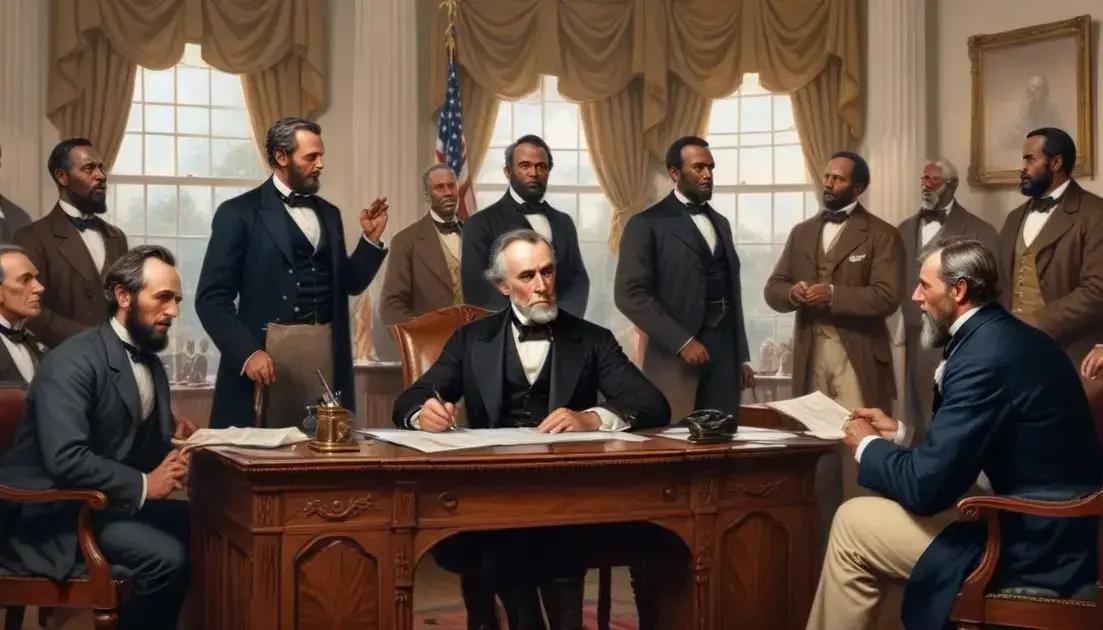
His leadership style was pragmatic. He listened to differing opinions and often sought advice from his cabinet. This approach helped him navigate the complexities of war and governance.
Throughout his presidency, Lincoln’s resolve to address slavery and unite the country remained strong. His actions during this turbulent era continue to impact American history today.
The events leading to the assassination
Several key events led to Lincoln’s tragic assassination. First, the Civil War left many feeling angry and frustrated. Some in the South saw Lincoln as a villain for his stance against slavery.
The War’s Unfolding
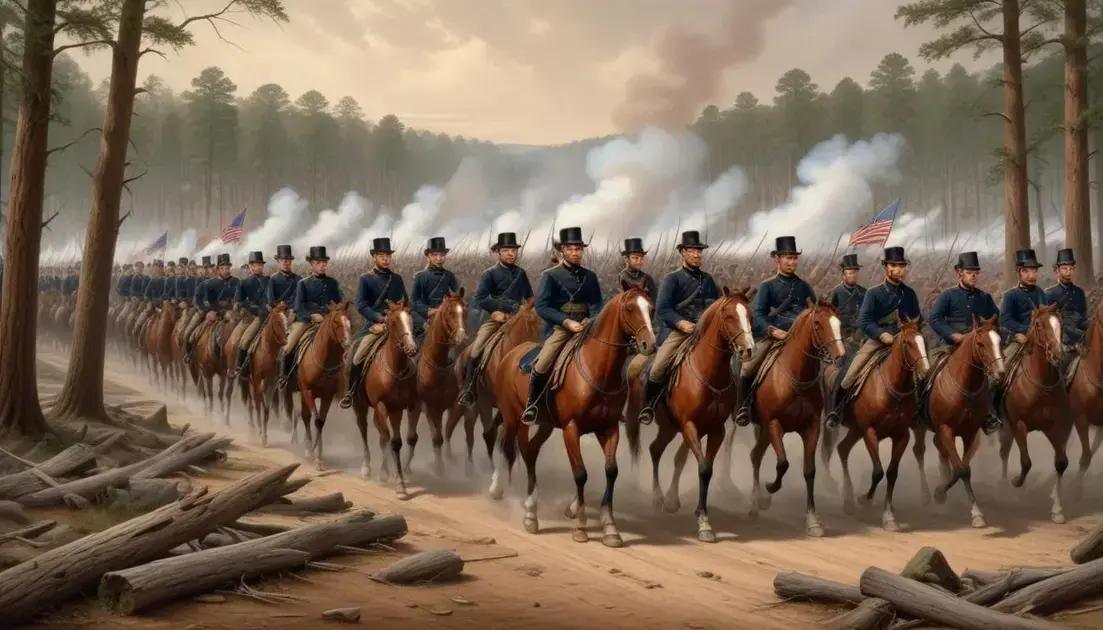
The war escalated as battles raged on, leading to heavy losses on both sides. The North fought to preserve the Union while the South sought independence. Tensions were high, and emotions ran deep.
Political Turmoil
By 1865, emotions were charged even more. Some groups gathered to plot against Lincoln. They believed that killing him could change the course of the war.
John Wilkes Booth
Lincoln’s assassin, John Wilkes Booth, was a famous actor with strong Southern ties. He saw Lincoln as a tyrant and believed he was acting for the South’s sake.
The Plan
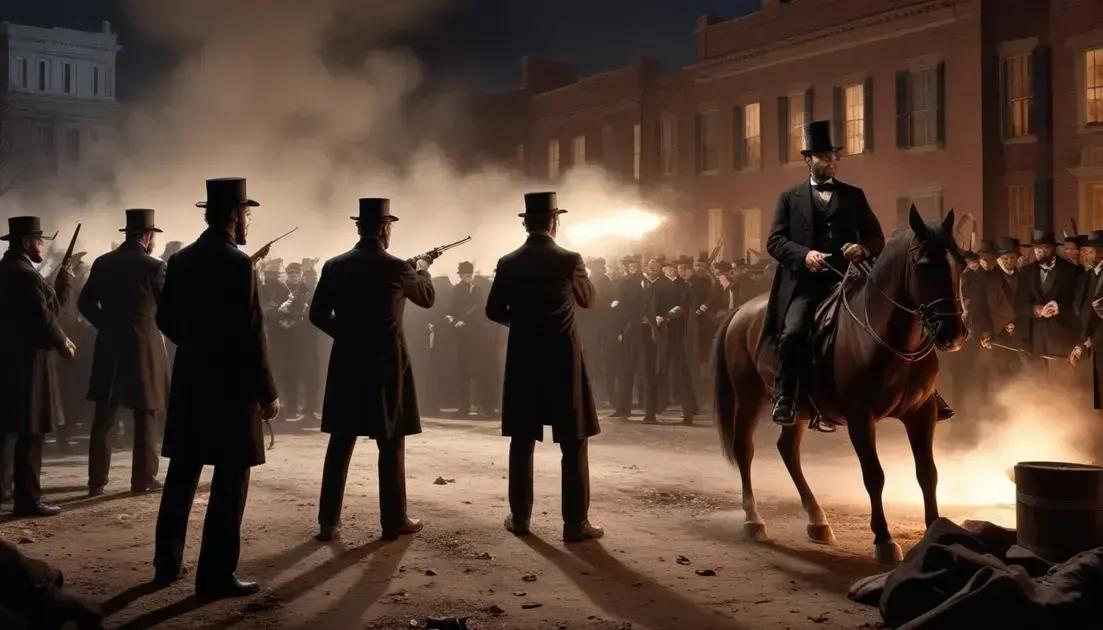
Booth and his co-conspirators came up with a plan to assassinate Lincoln. They aimed to strike at a time when Lincoln would be vulnerable, like attending a play at Ford’s Theatre.
In the days leading up to the assassination, Booth carefully plotted the details. He felt he was on a mission to save the South from what he viewed as Northern oppression.
Immediate aftermath and national reaction
The immediate aftermath of Lincoln’s assassination shocked the entire nation. News spread quickly, leaving many Americans in disbelief and grief.
Public Outcry
Many people wept openly for Lincoln. He was seen as a leader who worked hard to unite the country. Citizens felt a deep loss at his sudden death.
Reactions from Leaders
Political leaders expressed their shock. Vice President Andrew Johnson took over as president. He faced a tough task, trying to keep the nation together.
Changes in Security
After the assassination, security for public officials was tightened. The nation realized the need to protect leaders from threats. This change aimed to prevent future tragedies.
Nationwide Mourning
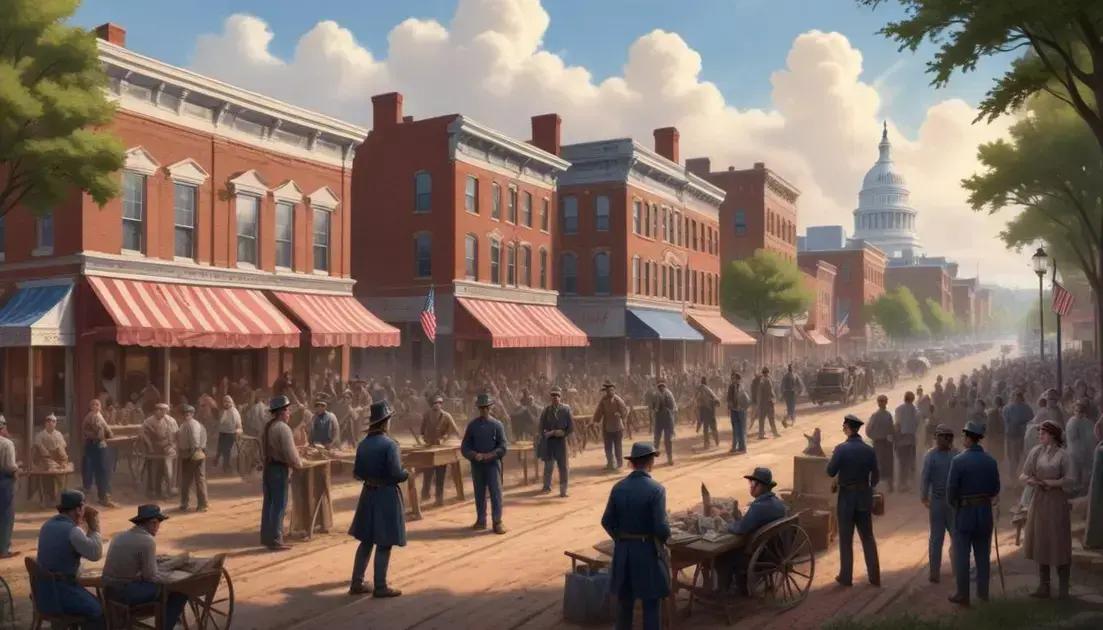
Across the country, people held memorials and vigils. Cities organized gatherings to honor Lincoln’s legacy. In every corner, citizens united in their sorrow.
Lincoln’s funeral was a grand event. It started in Washington, D.C., and moved through several states. Thousands lined the streets to pay their respects.
The nation entered a period of mourning. Flags flew at half-staff, and communities remembered Lincoln’s dedication to freeing slaves and preserving the Union.
Influence on Reconstruction policies
Lincoln’s assassination had a significant impact on Reconstruction policies. After his death, the nation struggled to find a way forward. His vision for a fair and united country became uncertain.
Shifts in Leadership
With Andrew Johnson as the new president, policies changed. Johnson, a Southern Democrat, often clashed with Congress. He had a different view on how to reunite the nation.
Congressional Response
Congress wanted to take a tougher stance on the South. They aimed to protect the rights of newly freed slaves. Laws called the Reconstruction Acts paved the way for these changes.
Military Presence
During Reconstruction, federal troops were sent to the South. This helped enforce new laws and protect citizens. Many viewed the military presence as necessary for safety and fairness.
Challenges to New Policies
Not everyone welcomed these changes. Many Southern leaders resisted. Groups like the Ku Klux Klan emerged to oppose Reconstruction efforts and intimidate African Americans.
The struggle between progressive and conservative views marked this period. It created a complex environment where progress was often slow.
Lincoln had hoped for a smooth transition and healing. However, his death altered these plans, leading to ongoing tension and conflict during Reconstruction.
Legacy of Lincoln’s assassination
The legacy of Lincoln’s assassination continues to shape American history today. His death marked a turning point for the nation, affecting politics and society well into the future.
Transformation in Political Landscape
After Lincoln died, political dynamics shifted dramatically. The struggle for Reconstruction and civil rights intensified. His assassination became a rallying cry for those seeking equality.
Impact on Civil Rights
Lincoln’s vision for a united country influenced civil rights efforts. Activists remembered him as a leader who fought for freedom. This inspired future generations to advocate for equality.
Amendments and Legal Changes
His assassination pushed Congress to pass important amendments. The 13th, 14th, and 15th Amendments aimed to secure rights for former slaves. These laws significantly changed the fabric of American society.
Cultural Influence
Lincoln’s life and death influenced literature, art, and film. Stories about him emphasize themes of justice and unity. His legacy continues to inspire artistic expressions that resonate with people’s struggles.
Modern Reflections
Today, Lincoln is remembered as a symbol of hope and perseverance. His commitment to ending slavery and unifying the nation remains relevant. In times of division, his legacy inspires Americans to strive for equity and justice.
Conclusion
In conclusion, Lincoln’s assassination had a profound effect on America. It changed the political landscape and spurred important changes in civil rights. His legacy lives on in the laws that protect equality and justice for all.
From his vision of a united nation to the amendments that followed, Lincoln’s impact is still felt today. His story reminds us of the ongoing fight for fairness and dignity. As we reflect on his life and tragic end, we are called to champion the values he stood for.
Ultimately, Lincoln’s legacy is a call to action. It encourages us to continue striving for a better future, where unity and justice prevail for everyone in our nation. Remembering him serves as a guide for us all.