Memory and Manipulation: How History is Rewritten
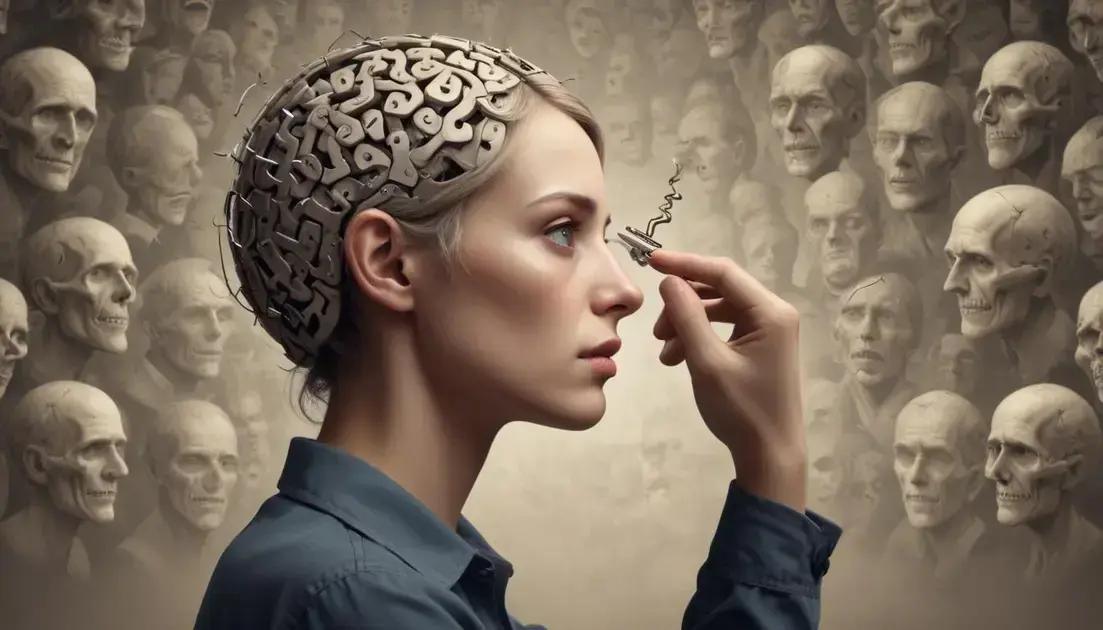
The role of memory in shaping our understanding of history is crucial, as it influences how we learn from the past and make future decisions. Our memories help us maintain cultural identity and provide context for current events. However, media significantly impacts memory by highlighting certain narratives, sometimes distorting facts. To ensure a truthful understanding, it’s essential to critically evaluate these memories and recognize the diversity of perspectives, fostering a more informed society.
Memory manipulation isn’t just about the past; it shapes our understanding of today. How often do we question the narratives we’ve been taught?
The importance of memory in history
The importance of memory in history cannot be overstated. Our memories shape how we view the world. They influence our beliefs and decisions. When we remember certain events, we connect with the past. This connection can guide future choices.
Memory helps us learn valuable lessons. By recalling past mistakes, societies can avoid repeating them. For example, remembering wars can promote peace. It reminds us of the cost of conflict.
Every culture has its own way of remembering history. Celebrations, songs, and stories all play a part. These traditions keep memories alive for new generations.
But memory can also be manipulated. People may forget events that don’t fit their views. Others might remember only the parts that serve their agendas. This shows how crucial it is to question our memories.
In a world with endless information, memory remains central. It helps us focus on what truly matters. By understanding the importance of memory, we can protect the truth.
Case studies of historical manipulation
Case studies of historical manipulation show us how powerful memory can be. History isn’t just facts; it’s how we interpret them. Different groups may remember events differently. This can change perceptions and influence society.
One well-known example is the portrayal of wars. History books may emphasize one side’s heroism while downplaying the other side’s suffering. This can create a biased view.
Another case is the use of propaganda. Governments may rewrite history to boost national pride. They might edit out events that show weakness or failure. This can give a distorted view of a nation’s past.
Media also plays a role in shaping memories. Documentaries and movies can highlight or ignore parts of history. This affects how people remember key events.
Understanding these manipulations is vital. It helps us become more critical thinkers. By questioning what we know, we can grasp the full picture of our history.
The role of media in shaping memory
The role of media in shaping memory is huge. Media can influence how we remember events. From news articles to movies, these sources affect our views. They highlight certain aspects while ignoring others. This shapes public opinion.
Television news often focuses on dramatic stories. These reports can create strong emotions but may leave out important details. Viewers might remember a story for its shock value, not its facts.
Documentaries can also affect memory. They usually present a specific perspective. While they can educate, they may not show the full picture. It’s essential to watch critically and consider other viewpoints.
Social media is another powerful tool. It spreads information quickly. People share posts that resonate with them. This can lead to a collective memory that may be biased or distorted.
Understanding the media’s role is vital. It helps us think critically about what we see and hear. By questioning our sources, we can better understand our memories and the stories that shape them.
Why remembering is vital for truth
Why remembering is vital for truth is an important question. Our memories help shape our understanding of reality. Without memory, we lose context and meaning. Remembering allows us to learn from the past.
When we forget important events, we risk repeating mistakes. History teaches us valuable lessons. For instance, remembering past injustices can inspire change and promote fairness.
Memory also plays a role in identity. It helps us know who we are and where we come from. A collective memory can unite communities around shared experiences.
However, it’s essential to ensure our memories reflect the truth. Distorted memories can lead to misunderstandings and division. By critically examining our memories, we can keep the truth alive.
In a world filled with information, remembering accurately is even more crucial. It helps us navigate complex topics and make informed decisions. In this way, memory isn’t just personal; it’s a community resource.
Implications for the future
Implications for the future of memory and history are significant. As we understand memory’s role, we can impact how we preserve our history. The way we remember can influence decisions for generations.
With technology, sharing memories has become easier. Social media allows us to document experiences quickly. However, we must be cautious. Not all shared memories are accurate or constructive.
Education is another key factor. Teaching children about history and memory will shape future leaders. If students learn to question and reflect, they’ll build a more informed society.
The preservation of diverse memories is crucial. Communities can thrive when they recognize all voices. Acknowledging different perspectives can heal wounds and promote unity.
As we move forward, let’s prioritize truthful memories. By doing so, we can create a brighter future. Memories that reflect our true history help guide future actions and decisions.
Conclusion
In conclusion, recognizing the importance of memory in shaping our understanding of history is crucial for the future. Our memories guide us, helping us learn and grow. They enable us to build connections, even across diverse backgrounds.
As we move forward, it’s essential to remember that not all memories are created equal. Questioning how we remember events allows us to seek the truth. By fostering a culture of critical thinking, we can create a society more aware of its history.
Ultimately, when we embrace our shared memories, we can work towards a unified future. Let’s ensure that we carry forward the lessons of the past, striving for justice and understanding in everything we do.