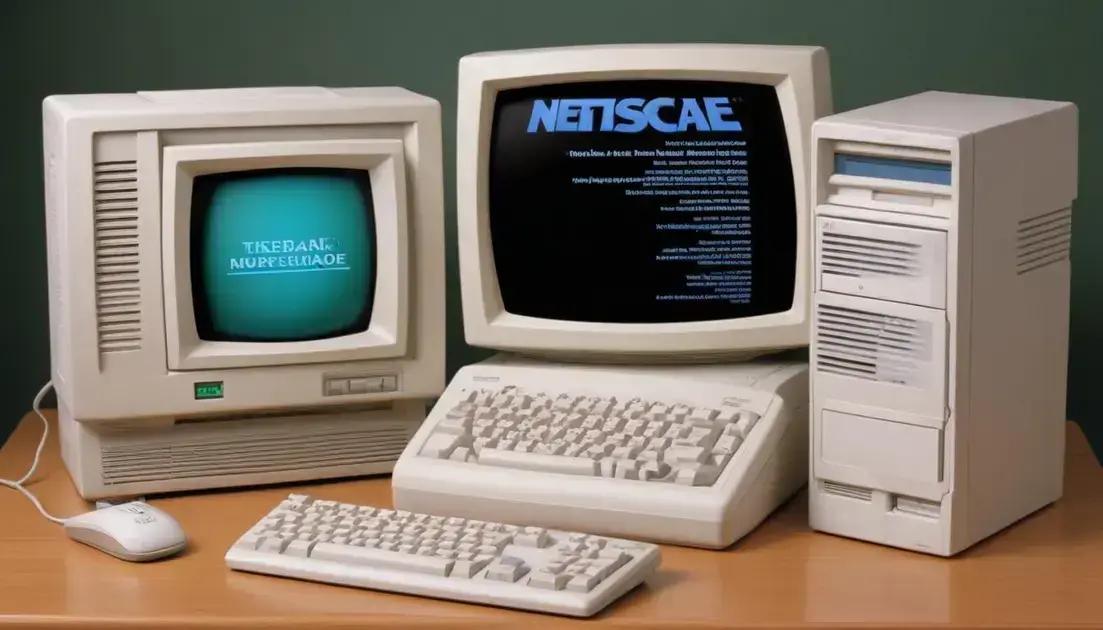
Netscape: the forgotten revolution that built the web
Netscape revolutionized the web by introducing user-friendly browsing and innovative features like tabs and JavaScript. It emphasized the importance of accessibility, security, and web standards, shaping modern web development. The lessons from Netscape’s journey highlight the need for adaptability, user engagement, and collaboration in creating successful online experiences.
The story of Netscape is one of extraordinary innovation that shaped the digital world we navigate today. Have you ever wondered how a single click could open a gateway to endless possibilities?
The Rise of Netscape: A Flashback to the 90s
Netscape was born in the early 1990s. It started as a project at a small software company. The goal was to make the web more accessible to everyone.
At that time, most people didn’t know how to use the Internet. That’s where Netscape came in. It was one of the first web browsers that was user-friendly. People could surf the web with just a few clicks. This was a big deal back then!
Netscape’s Launch
Netscape went public in 1995. This event made waves in the tech world. The company’s stock skyrocketed! Investors were excited about the future of the Internet. Everyone wanted a piece of this new digital revolution.
The Browser Wars
As Netscape grew, other companies took notice. Soon, competition heated up. Microsoft launched Internet Explorer. This was the start of what we now call the browser wars. It didn’t just push Netscape to innovate; it changed how we all use the web.
Impact on Web Development
Netscape also influenced how sites were built. Developers started using HTML and JavaScript. These tools made web pages interactive and dynamic. Suddenly, the web was not just a collection of text—it was alive!
The rise of Netscape shaped the future of the Internet. It sparked interest and investment in online businesses. Many of today’s giants, like Google, owe their beginnings to this revolutionary browser.
How Netscape Changed the Internet
Netscape changed the Internet in many ways. When it launched, it made web browsing easy for everyone. People could click buttons rather than typing long commands. This opened the web to millions who weren’t tech-savvy.
One big change was speed. Netscape loaded pages quickly, keeping users engaged. It offered a smooth experience that made people want to explore more. This speed was new for browsers at the time.
User-Friendly Design
Netscape also focused on design. It used a clean layout that made navigation simple. Users could easily find what they wanted. This focus on usability set a standard for future browsers.
Introducing Features
Netscape introduced many cool features. It allowed users to bookmark their favorite sites. This meant they could return easily without typing in the address again. It also included a built-in search function. This made finding information faster than ever.
Web developers took notice as well. They started using Netscape’s tools to create interactive web pages. This led to the rise of online media, video streaming, and e-commerce. Netscape made people realize how valuable the Internet could be.
Creating a Web Community
Netscape brought people online. It encouraged chatting in forums and sharing information. This social aspect made the web feel more alive. It helped foster communities that shared interests.
Netscape was more than just a browser. It played a key role in shaping how we use the Internet today. Its impact paved the way for innovations we enjoy now, like social media and online shopping.
The Legacy of Netscape in Modern Browsers
The legacy of Netscape is still felt in modern browsers today. When Netscape launched, it set new standards for web browsing. Many features we now take for granted come from that early era.
For instance, Netscape introduced tabs. These let users open multiple pages at once, making surfing the web easier. Today, almost every browser offers tabbed browsing, showing how influential Netscape was.
Security Features
Netscape was also a pioneer in online security. It introduced SSL, or Secure Sockets Layer. This keeps data safe during online transactions. Today, most websites use SSL to protect user information.
Web Standards and Compatibility
Netscape helped push for web standards. This means that websites could work well across different browsers. Modern browsers follow these standards, making online experiences smoother for users.
Another important contribution was the support for JavaScript. This programming language allows for dynamic content. Today, almost all websites use JavaScript to create interactive features.
The Influence on Future Browsers
Many of the key players in today’s tech world, like Google Chrome and Mozilla Firefox, learned from Netscape. They took lessons from its successes and failures to build better browsing experiences.
Modern browsers continue to innovate, but they owe much to Netscape’s early vision. The advancements made during that time laid a strong foundation for today’s Internet. This ensures that users worldwide enjoy rich and engaging online content.
Netscape’s Impact on Web Development
Netscape had a huge impact on web development. When it launched, it changed how developers built websites. Before Netscape, creating a webpage was not easy. It took a lot of technical know-how and effort.
Netscape introduced tools that made building websites simpler. Developers could use HTML to create pages easily. This marked the start of a new era in web design.
Interactive Features
One major breakthrough was support for JavaScript. This programming language allowed developers to add interactive elements. For example, they could create buttons and forms that responded to users. This made the web experience dynamic and engaging.
Visual Appeal
Netscape also encouraged the use of more visuals on websites. Developers began to incorporate images and videos. This change made sites more appealing and fun to browse. Users liked visual content, so websites have kept this trend alive.
The Rise of Browser-Based Development
Another influence was the shift to browser-based development. Before Netscape, many tools required local software. With Netscape, developers started to create applications that worked online. This pushed the tech industry toward cloud computing.
Netscape’s impact on web standards is also significant. It helped establish guidelines that browsers follow today. These standards ensure that websites work well across different platforms.
The innovations Netscape introduced laid the groundwork for modern web development. Today, developers build incredible sites with rich features and interactive content. Netscape sparked a revolution that still shapes our online experiences.
Looking Back: What Can We Learn from Netscape?
Looking back at Netscape’s journey, we can learn valuable lessons. First, innovation matters. Netscape changed how we used the Internet by making it accessible. This shows that being unique can set you apart in a crowded market.
Another lesson is the importance of user experience. Netscape focused on making its browser easy to use. When products are user-friendly, people are more likely to adopt them.
Adapting to Change
Netscape also teaches us to adapt quickly. As technology evolves, staying current is key. Netscape faced tough competition from companies like Microsoft but didn’t pivot fast enough.
Community Engagement
Engaging with users is crucial. Netscape had a vibrant community of developers and users. Listening to feedback helped improve the product. Building a strong community can drive success.
Embracing Collaboration
Collaboration is another takeaway. Netscape worked with others to push web standards forward. This cooperation helped shape the Internet as we know it today. Working together can create better solutions for everyone.
Lastly, we learn that failure can be a part of success. Netscape eventually faded, but its impact remains. Even in setbacks, there are lessons to be learned. Embrace challenges as opportunities for growth.
Conclusion
In conclusion, Netscape’s journey offers us vital lessons about innovation, user experience, and adaptability. It showed us the importance of creating products that are not only unique but also easy for everyone to use. Netscape’s focus on community and collaboration helped shape the web we enjoy today.
We also learned that embracing change is essential. As technology evolves, being quick to adapt can set you apart from the competition. Lastly, it reminds us that failure can lead to valuable lessons, paving the way for future successes.
By reflecting on Netscape’s impact, we can better understand how to navigate our own paths in the ever-changing landscape of technology and business. Let’s apply these lessons to create better experiences for users and innovate for the future.