Ottomans: the empire that ruled three continents
The Ottoman Empire, known for its significant military conquests and rich cultural achievements, left a lasting legacy in architecture, art, and diplomacy. Its vast influence shaped modern legal systems and diverse cuisines, establishing foundations that still resonate in many cultures today. From stunning mosques to exquisite culinary traditions, the Ottomans significantly impacted history, highlighting the importance of understanding their role in shaping our contemporary world.
Explore the fascinating world of the Ottoman Empire, a powerhouse that once stretched across three continents and left an indelible mark on history. What made it so influential?
The Rise of the Empire
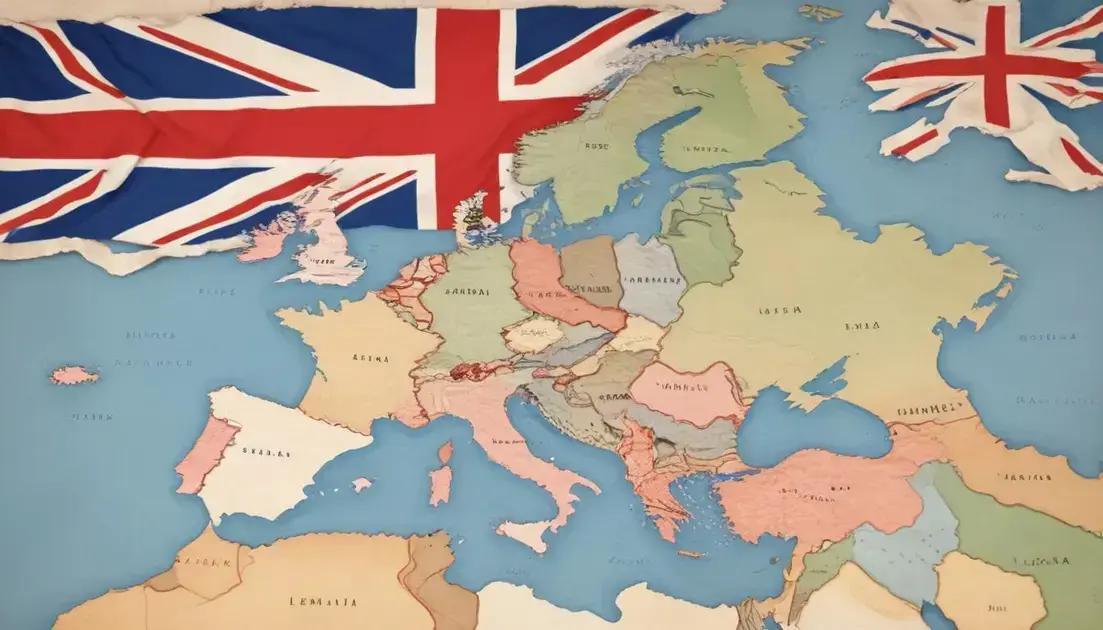
The rise of the Ottoman Empire began in the late 13th century. Founded by Osman I, it started as a small state in northwestern Anatolia. From there, it grew rapidly, conquering parts of Europe, Asia, and Africa. The key to its success was a combination of military strength and clever alliances.
Military Expansion
The Ottomans were skilled fighters. They used advanced tactics and technology, such as gunpowder. With strong armies, they captured major cities, including Constantinople in 1453. This marked a significant shift in power.
Strategic Location
Thanks to its location, the empire controlled important trade routes. This brought wealth and resources. Trading with Europe and Asia helped the Ottomans thrive economically. They capitalized on both land and sea trade.
Culture and Governance
The Ottoman Empire was not just about war. It was also a hub of culture and learning. Art, architecture, and science flourished under its rule. The empire had a unique system of governance, allowing local leaders to keep order while the sultan held ultimate power.
Religious Tolerance
Another reason for the empire’s growth was its acceptance of various religions. While Islam was the main faith, many Christians and Jews lived peacefully under Ottoman rule. This tolerance fostered stability and encouraged trade.
Cultural Achievements
The Ottoman Empire made many cultural achievements that still impress us today. Their unique art, architecture, and literature flourished for centuries. This creativity helped shape both the empire and the world.
Art and Craftsmanship
Ottoman art is famous for its beauty. Skilled artisans created intricate textiles, ceramics, and calligraphy. These items were not just functional; they were also stunning works of art.
Architectural Marvels
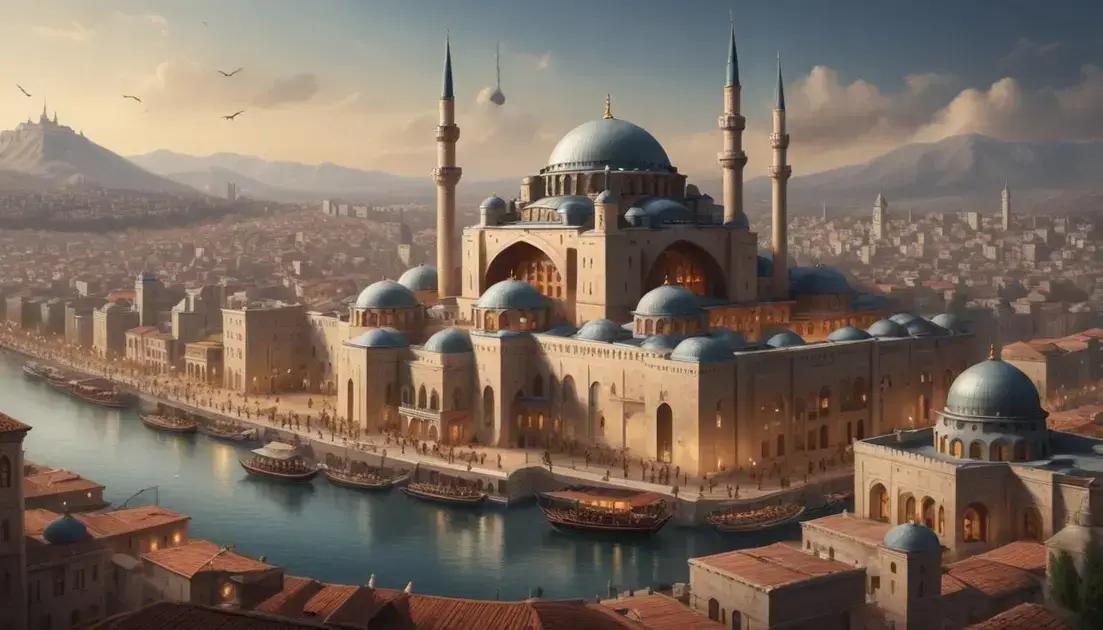
One of the most famous achievements is the stunning mosques. The Süleymaniye Mosque and the Blue Mosque are prime examples. Their grand domes and tall minarets can be seen from afar. These buildings showcase the empire’s architectural skills.
Literature and Poetry
The Ottomans also valued literature. Poets like Fuzuli and Nedim wrote beautiful poems. Their works often explored themes of love, nature, and faith. These pieces are still celebrated today for their elegance and emotion.
Culinary Contributions
Food is another important part of culture. Ottoman cuisine is a delicious blend of flavors. Dishes like Kebabs, Baklava, and Pide became popular far beyond the empire’s borders. This culinary legacy remains influential today.
Influence on Music
Music thrived during the Ottoman era. The unique styles and instruments influenced various music traditions. Instruments like the oud and kanun still play a role in music around the region.
Military Conquests
The military conquests of the Ottoman Empire were impressive and significant. These campaigns helped the empire grow into a vast territory. Skilled armies played a large role in their success.
Early Campaigns
In the beginning, Osman I led small skirmishes against neighboring states. These early victories built a strong foundation. They established a reputation for power and strength.
Conquest of Constantinople
One of the most famous victories was the conquest of Constantinople in 1453. Under Sultan Mehmed II, the Ottomans captured this key city. This victory marked the end of the Byzantine Empire.
Expansion into Europe
After Constantinople, the Ottomans expanded into Europe. They conquered Serbia, Bulgaria, and parts of Greece. Their armies advanced as far as Vienna, Austria, in two major sieges.
Naval Conquests
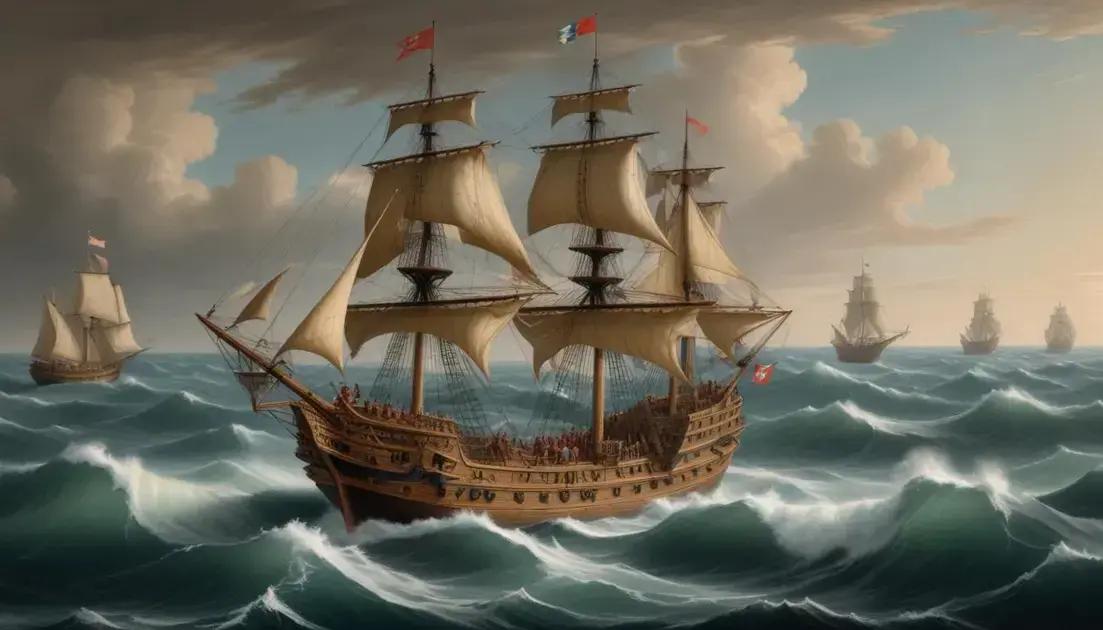
The Ottomans also built a strong navy. They controlled many coastlines in the Mediterranean Sea. This allowed them to dominate trade routes and exert more influence.
Strategic Use of Gunpowder
Gunpowder played a major role in Ottoman warfare. They were among the first to use cannons effectively in battles. This technological advantage helped them win crucial victories.
The Role of Janissaries
The Janissaries were elite soldiers of the empire. They were well-trained and loyal. Their discipline and skills often turned the tide in battles.
Diplomatic Relations
The diplomatic relations of the Ottoman Empire were vital to its success. They built ties with many nations and used diplomacy to enhance their power. This strategy helped them maintain stability and expand their influence.
Alliances and Treaties
The Ottomans formed alliances with various countries. They often made treaties that benefited both sides. These agreements helped prevent conflicts and foster trade.
Relations with Europe
Europeans viewed the Ottoman Empire with a mix of fear and respect. The empire’s powerful position influenced many European nations. Countries like France and England sought good relations to secure trade and military support.
Influence on Trade
Trade was a key focus in diplomacy. The Ottomans controlled vital trade routes between Europe and Asia. This made them essential partners for merchants and countries alike.
Cultural Exchange
Diplomatic ties also led to cultural exchange. Art, science, and ideas flowed between the Ottomans and their partners. This exchange enriched both sides and fostered understanding.
Handling Conflicts
The Ottomans were skilled in managing conflicts. They often used diplomacy to resolve disputes. Sending envoys and holding discussions helped avoid war and maintained peace.
Legacy of Diplomacy
The Ottoman Empire set a foundation for modern diplomacy. Their methods of negotiation and alliances influenced many nations in the centuries that followed. This legacy is still seen today in global relations.
The Empire’s Legacy
The legacy of the Ottoman Empire is vast and influential. It shaped many aspects of culture, politics, and society in its regions and beyond. The impact can still be seen today.
Architectural Achievements
The stunning architecture left by the Ottomans is a big part of their legacy. Beautiful mosques, like the Hagia Sophia and the Blue Mosque, showcase their craftsmanship and vision. These buildings attract millions of visitors each year.
Cultural Influences
The Ottomans contributed to art, music, and literature. Their unique styles influenced various art forms across Europe and the Middle East. Poetry and music from this era are still celebrated today.
Legal and Administrative Systems
The empire was known for its complex legal and administrative systems. They established laws that balanced local customs with central authority. Many modern legal systems in the region trace back to these foundations.
Education and Scholarship
The Ottomans founded several schools and libraries. They promoted education and scholarship, especially in sciences and arts. This emphasis on education enriched the culture and knowledge of their society.
Culinary Heritage
The culinary legacy of the Ottoman Empire is also significant. Dishes like kebabs and baklava remain popular in many countries. These foods reflect the empire’s diverse cultural influences.
Continued Influence
The Ottoman Empire’s influence can be seen in many current nations. Countries in the Balkans, Middle East, and North Africa carry elements of Ottoman culture. Language, customs, and traditions still echo this grand empire.
Conclusion
In conclusion, the Ottoman Empire played a major role in shaping history. Its military conquests, cultural achievements, and diplomatic relations left a lasting impact. The stunning architecture, rich cuisine, and beautiful art still inspire us today.
The empire’s legal systems and focus on education set standards that many countries still follow. By understanding the legacy of the Ottomans, we gain insights into the complexities of our world today. Their influence on modern cultures reminds us of the importance of history in shaping our future.