Reconstruction: rebuilding after the Civil War
The Reconstruction era was a pivotal time in American history, focusing on rebuilding the nation after the Civil War and addressing the rights of newly freed African Americans. Key legislation like the Civil Rights Act and the Reconstruction Amendments aimed to secure citizenship and voting rights, but challenges such as political resistance and economic hardship persisted. Important figures such as Abraham Lincoln, Andrew Johnson, and Frederick Douglass shaped this period, which ultimately laid the foundation for ongoing civil rights advancements in the United States.
The story of Reconstruction unfolds as a fascinating chapter in American history, where the nation sought to heal and redefine its identity after the Civil War. Have you ever wondered what challenges and triumphs shaped this era?
The goals of Reconstruction
The goals of Reconstruction were crucial for shaping the nation after the Civil War. One main aim was to reunite the South and North. This meant rebuilding the Southern states and restoring their place in the Union.
Another goal was to define citizenship. After the war, many former slaves needed rights and protections. It was important to ensure they were considered citizens with equal rights.
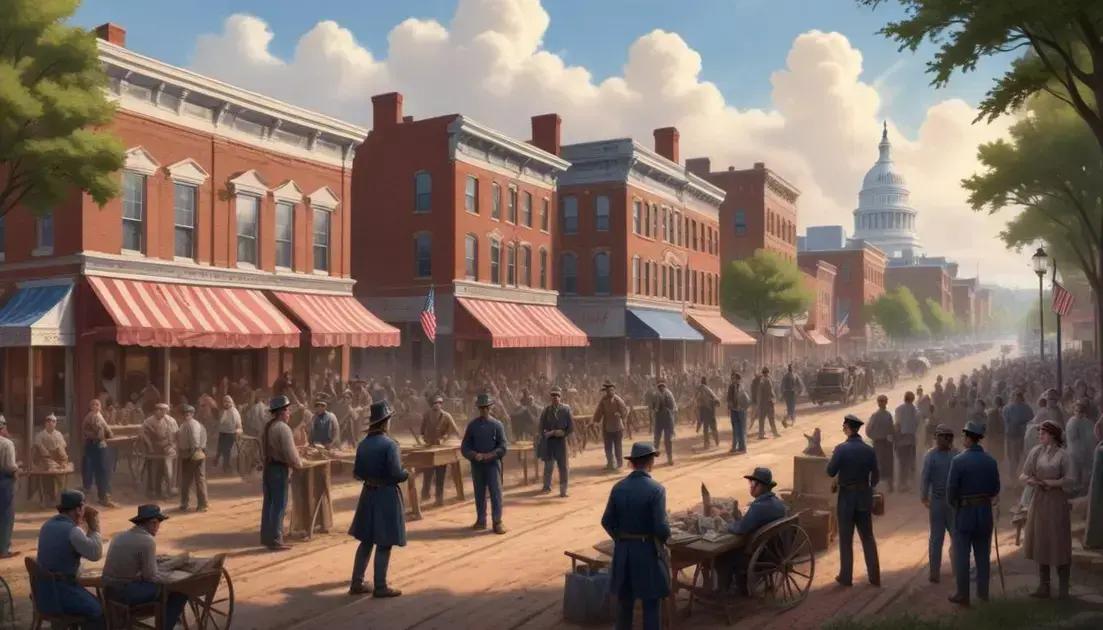
Additionally, the government sought to help the South recover economically. This included rebuilding infrastructure like roads, schools, and railroads. Their goal was to create opportunities for everyone.
Political integration was also a focus. Many Southern states had to change their laws and governments. These changes aimed to include more voices in politics, especially African Americans.
Lastly, ensuring peace and stability was key. The federal government wanted to prevent violence and discrimination. They aimed to create a safe environment for all citizens, regardless of their background.
Challenges faced during Reconstruction
During Reconstruction, several challenges arose that made progress difficult. One key issue was the deep divide between the North and South. Many Southerners resisted change and felt bitter after the war.
Another challenge was the question of rights. While laws were passed to protect former slaves, enforcement was often weak. Many still faced discrimination and violence.
Political tensions also ran high. Southern states resisted new laws that aimed to integrate African Americans into society. This resistance slowed down the process of rebuilding.
Additionally, economic issues plagued the South. The war had destroyed much of their economy, and many people were unemployed. Rebuilding infrastructure was essential but expensive.
Lastly, there were internal conflicts within the government. Leaders often disagreed on how to move forward. This lack of unity made it tough to implement effective policies.
Key figures in Reconstruction
Several key figures played important roles during Reconstruction. President Abraham Lincoln began the process with his vision for healing the nation. He wanted to make it easier for the Southern states to rejoin the Union.
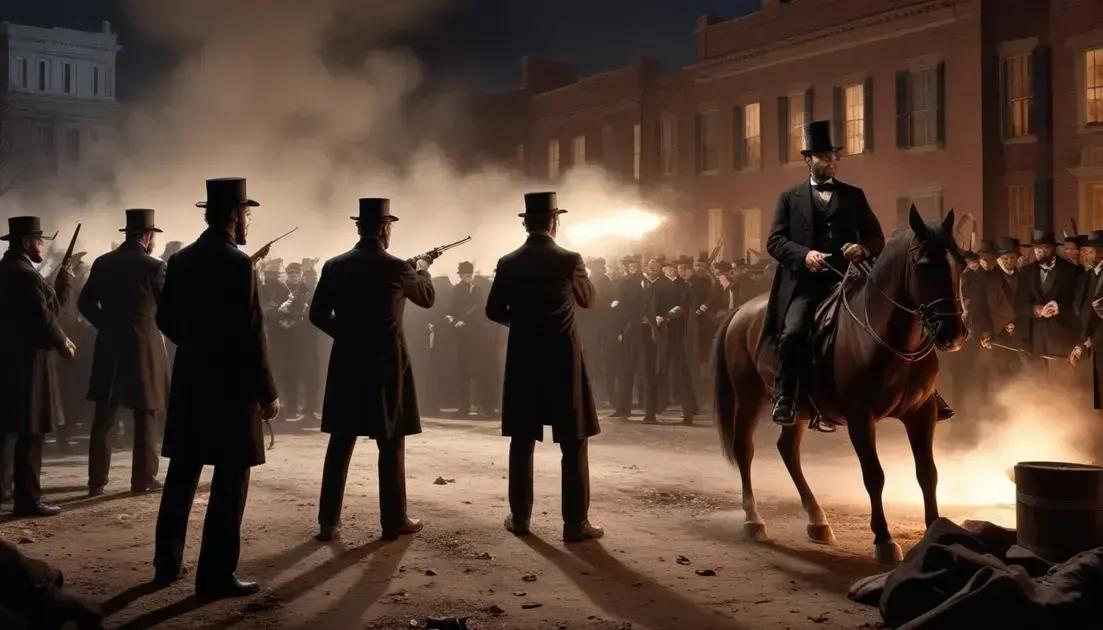
Another significant leader was Andrew Johnson. He took over after Lincoln’s assassination. Johnson’s approach to Reconstruction faced criticism. Many felt he was too lenient on the South.
Frederick Douglass was a vital voice for African American rights. As an escaped slave, he fought for equality and urged the government to protect the rights of freedmen.
Thaddeus Stevens, a congressman from Pennsylvania, was a strong supporter of equal rights. He pushed for laws to protect African Americans and ensure they had a say in politics.
Lastly, Ulysses S. Grant, a Union general, became a president during Reconstruction. He worked to enforce laws that protected the rights of African Americans against violence and discrimination.
Legislation and policies enacted
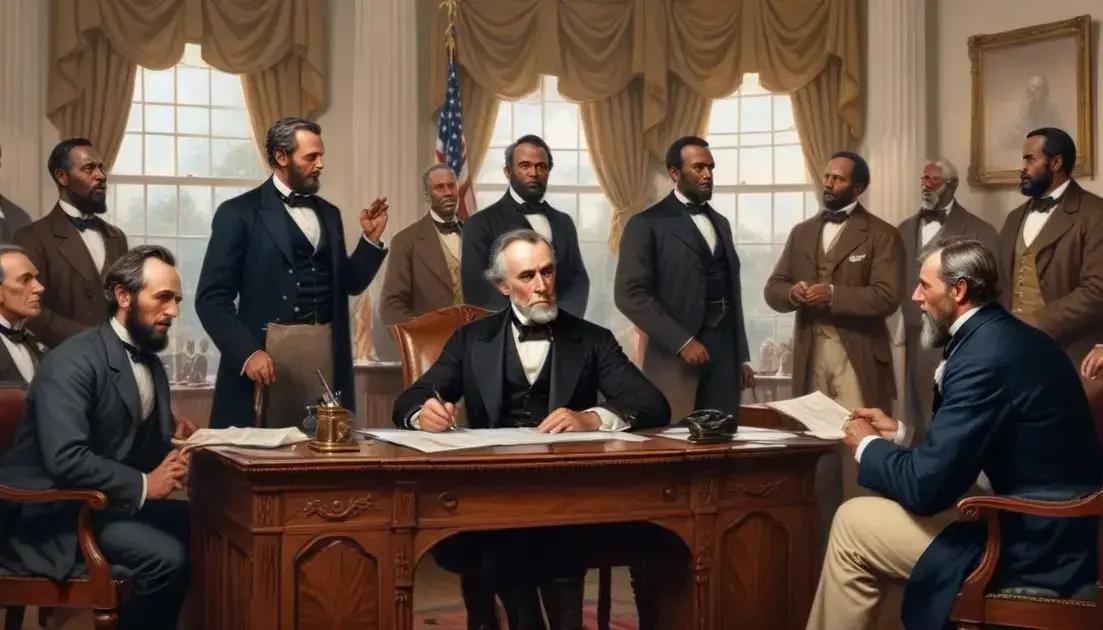
During Reconstruction, many important laws and policies were enacted. These were meant to help rebuild the nation and protect newly freed African Americans. One key law was the Freedmen’s Bureau Act. This law created an agency to assist freed slaves and poor whites with food, education, and healthcare.
Another significant piece of legislation was the Civil Rights Act of 1866. This law aimed to ensure that all citizens had equal rights, regardless of race. It helped to protect African Americans against discrimination.
The Reconstruction Amendments also played a big role. The Thirteenth Amendment abolished slavery, the Fourteenth Amendment granted citizenship, and the Fifteenth Amendment protected voting rights for African American men. These amendments were crucial for ensuring rights.
Additionally, Southern states had to create new constitutions that included these rights. They were required to rewrite their laws under federal guidelines. This aimed to ensure fair treatment and participation in government.
Despite these efforts, enforcement was a challenge. Many Southern leaders resisted these changes and sought to limit progress. Overall, these laws laid the groundwork for future civil rights advancements.
The legacy of Reconstruction
The legacy of Reconstruction is significant and complex. It set the stage for future civil rights movements. Though many goals were not fully achieved, important changes occurred. The amendments passed during this period laid the groundwork for the rights we know today.
For example, the Thirteenth, Fourteenth, and Fifteenth Amendments are cornerstones of American rights. They abolished slavery, granted citizenship, and protected voting rights for African American men. These laws opened doors for future advocacy.
Additionally, Reconstruction highlighted the ongoing struggles for racial equality. While African Americans made strides in politics and society, challenges remained. Discriminatory laws and practices continued to arise in the South.
The era also inspired future leaders. Many activists looked back on Reconstruction for guidance. Figures like Martin Luther King Jr. drew inspiration from its history when fighting for civil rights.
Ultimately, the legacy of Reconstruction reminds us of the importance of equality. It teaches us that the fight for justice is ongoing. Each generation continues to build on the work of those who came before.
Conclusion
In conclusion, the era of Reconstruction was a turning point in American history. It brought significant changes that aimed to heal the nation after the Civil War. The laws and amendments enacted during this time laid the groundwork for civil rights that we still fight for today.
Though challenges remained, the legacy of Reconstruction reminds us of the ongoing struggle for equality. Many lessons from this period are still relevant. They encourage us to continue advocating for rights and justice for all.
As we look back, it’s clear that every effort made during Reconstruction was vital. Understanding this history helps us work toward a more inclusive future. Together, we can continue to build on the progress made and strive for a fairer society.