Solar power: the American invention that changed energy
Solar power is a revolutionary energy source that significantly reduces electricity bills and dependence on fossil fuels. Despite challenges like high initial costs and space requirements, advancements in technology and government support are facilitating greater adoption. In the future, improvements in efficiency, energy storage, and integration with smart systems are expected to enhance solar energy’s accessibility and effectiveness. By embracing solar power, we contribute to a more sustainable environment while enjoying benefits like energy independence.
Solar power has become a hot topic in today’s energy discussions. Have you ever wondered how America sparked a global shift toward cleaner energy sources? Buckle up as we dive into this enlightening journey!
The History of Solar Power
The journey of solar power began long before modern technology. In the 19th century, scientists like Alexandre Edmond Becquerel discovered the photovoltaic effect. This was the first time sunlight was converted into electricity.
Early Innovations
By the 1950s, researchers developed the first practical solar cells. These early versions were expensive and not very efficient, but they laid the groundwork for future advancements.
The Space Race
During the space race, solar panels gained attention. NASA used solar technology for satellites. This increased interest in solar energy and its potential for clean power.
Growth in the 1970s
In the 1970s, the oil crisis sparked new interest in alternative energies. Solar power became popular for homes and businesses as a way to reduce reliance on fossil fuels.
Modern Developments
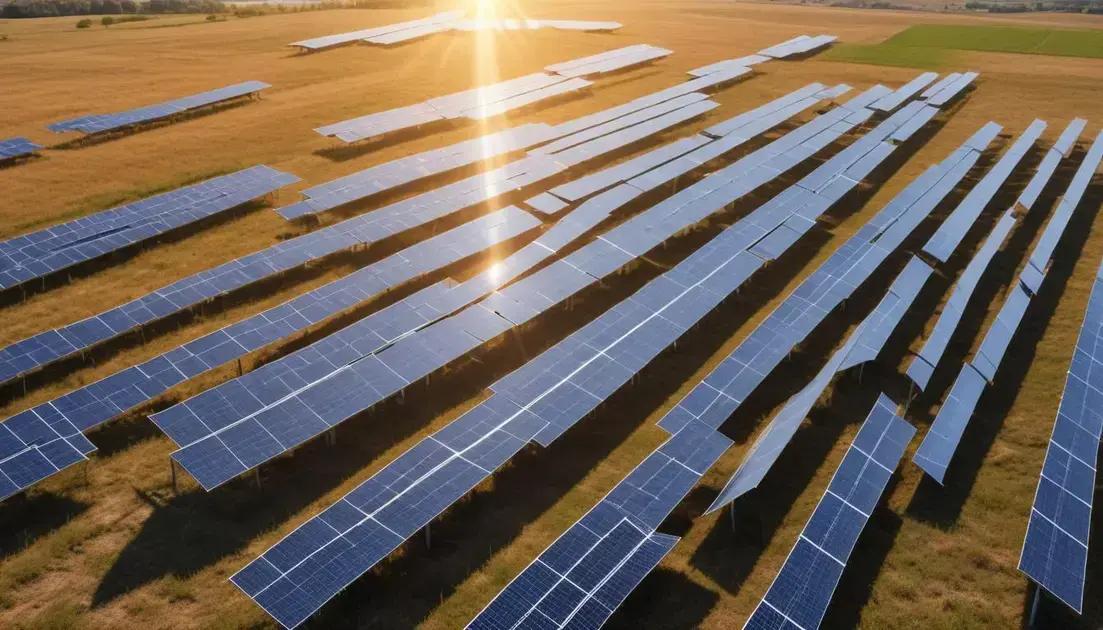
Today, advancements in technology have improved solar panel efficiency and lowered costs. We now see solar panels on roofs, in fields, and even in solar farms. This growth is vital for a sustainable future, as we aim to reduce our carbon footprint.
Key Innovations from the U.S.
The United States has played a vital role in the growth of solar power. Some key innovations have helped shape its success.
Photovoltaics
One of the most important breakthroughs was the development of photovoltaic cells. These cells convert sunlight directly into electricity. Innovations in materials, like silicon, increased their efficiency.
Solar Thermal Energy
Solar thermal technology is another U.S. innovation. It uses mirrors to focus sunlight to produce heat. This heat can generate steam to drive turbines and create electricity.
Government Incentives
Government programs have also pushed solar energy forward. Tax credits and grants have made solar panels more affordable for many people. Programs like the Solar Investment Tax Credit have encouraged homeowners to invest in solar energy.
Research and Development
Ongoing research in American universities has sparked new ideas. Innovative projects often explore ways to make solar panels lighter and cheaper. Each advancement opens the door to wider use of solar technologies.
Impact on Industry
Thanks to these innovations, the U.S. solar industry has expanded rapidly. Jobs in solar manufacturing and installation have grown. Solar energy is now an essential part of the country’s energy mix.
Impact of Solar Power on Energy Consumption
Solar power is changing the way we think about energy consumption. It’s becoming a more popular choice for many homes and businesses.
Reduce Electric Bills
One big impact is on electricity costs. With solar panels, people can generate their own power. This often leads to lower utility bills, especially during sunny months.
Less Dependence on Fossil Fuels
Solar energy also helps reduce reliance on fossil fuels. By using sunlight, we can decrease pollution and lower greenhouse gas emissions. This shift benefits our planet.
Grid Stability
More solar power can improve the stability of the energy grid. Fewer blackouts can occur when power is generated locally. Many homes with solar panels even contribute back to the grid during peak hours.
Energy Independence
With solar power, communities can become more energy-independent. This means less vulnerability to price swings in oil and gas markets. Communities can create their own clean energy systems.
Future of Energy
As technology improves, solar energy will become even more effective. Future advancements might increase efficiency levels and lower costs further. This makes solar power a key player in a sustainable energy future.
Future of Solar Energy Technology
The future of solar energy technology looks bright and full of promise. Ongoing research is paving the way for exciting innovations.
Improved Efficiency
One goal is to create solar panels that work better. Researchers are developing new materials that can capture more sunlight. This means more energy for homes and businesses.
Energy Storage Solutions
Battery technology is also advancing. Better batteries will store solar energy for use when the sun isn’t shining. This makes solar power more reliable.
Integrated Systems
Future solar systems may link with smart home devices. This means your home could manage energy use more efficiently. For instance, it could store energy during the day and use it at night.
Lower Costs
As technology progresses, the cost of solar installation is expected to drop. Cheaper solar panels will make it easier for everyone to adopt solar energy. This will encourage more people to go green.
Global Reach
Finally, innovations in solar technology can be shared worldwide. Developing countries can benefit from affordable solar solutions. This could greatly impact global energy consumption.
Challenges in Widespread Adoption
Despite the benefits, there are challenges in widespread adoption of solar power. Understanding these obstacles is important for growth.
High Initial Costs
One major challenge is the high upfront costs. Installing solar panels can be expensive. Many households find it hard to afford this initial investment.
Space Requirements
Solar panels need space for installation. Not every home or building has enough roof space. This limits solar energy’s reach to some areas.
Intermittent Energy Production
Solar energy production can be inconsistent. It relies on sunshine, so cloudy days decrease efficiency. Energy storage solutions, like batteries, are still developing.
Regulatory Hurdles
Government regulations can also be a barrier. Complex policies may slow down installation and adoption. Making policies simpler can help promote solar use.
Public Awareness
Finally, many people don’t know about the benefits of solar energy. Increasing education and awareness will encourage more people to consider solar solutions.
Conclusion
In conclusion, embracing solar power can lead to significant benefits for individuals and the planet. With ongoing innovations and improvements in technology, solar energy is more accessible than ever. Though challenges exist, such as high costs and space requirements, awareness and government support can help overcome these obstacles.
As more people learn about the advantages of solar energy, we can expect wider adoption. Lower energy bills and a reduced carbon footprint are just a few of the rewards. By investing in solar power, we not only invest in our future but also help create a cleaner and more sustainable world.