Taiping Rebellion: one of history’s deadliest uprisings
The Taiping Rebellion was one of the deadliest conflicts in history, lasting from 1850 to 1864 and resulting in millions of deaths. Led by Hong Xiuquan, who claimed divine inspiration, the rebellion aimed to establish a new society. Its consequences reshaped China, exposing the Qing Dynasty’s weaknesses, promoting social reforms, and increasing Western influence. Ultimately, the legacy of the Taiping Rebellion continues to impact modern Chinese identity and discussions about governance and rights.
Taiping Rebellion was a monumental uprising that transformed China in the 19th century. Have you ever wondered how a religious revolt could shape an entire empire?
Introduction to the Taiping Rebellion
The Taiping Rebellion started in 1850 and lasted over a decade. It was one of the largest wars in history. Thousands of people fought, and millions lost their lives. This massive conflict emerged from social unrest and dissatisfaction with the ruling Qing Dynasty.
At the heart of the rebellion was Hong Xiuquan, a man who believed he was the younger brother of Jesus Christ. He aimed to create a new society based on his vision of Christianity. This belief spurred many followers to join his cause.
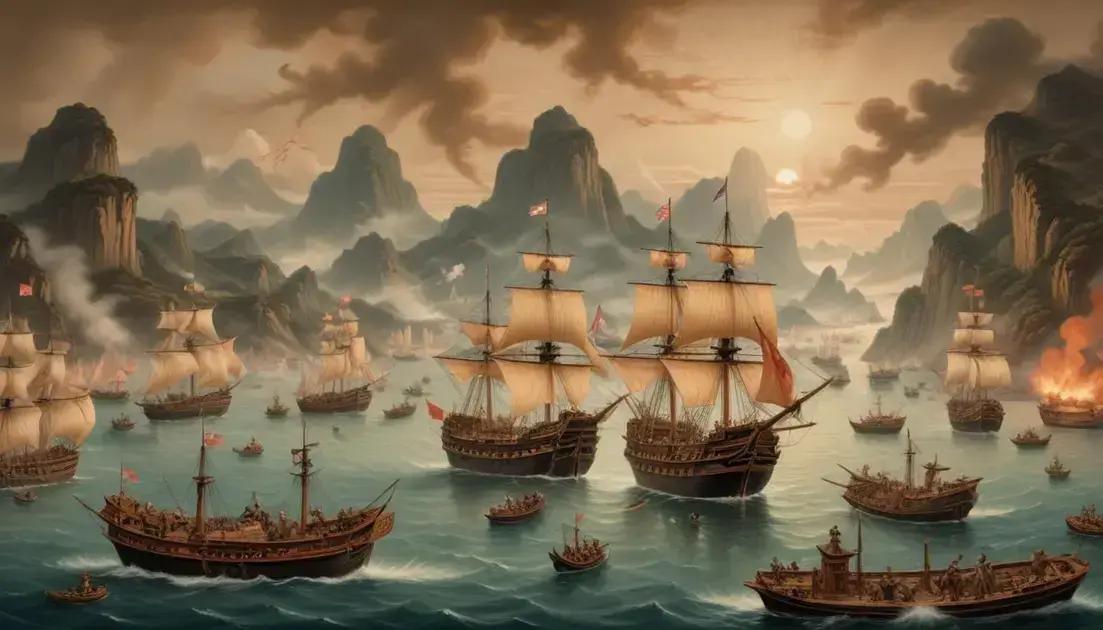
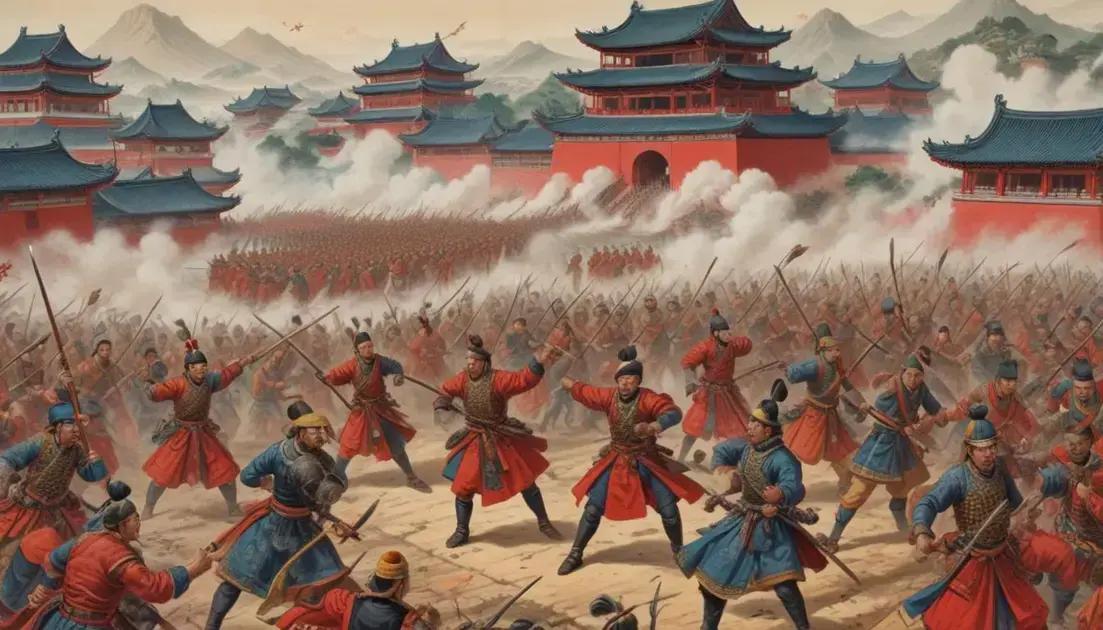
The rebels fought hard to take control of cities. They captured Nanjing in 1853, making it their capital. Their victory signified a serious threat to the Qing Dynasty. But as time passed, internal conflicts weakened their power.
The impact of the Taiping Rebellion was huge, changing Chinese society forever. It revealed the weaknesses of the ruling government and led to future reforms. The aftermath of the rebellion also changed how people viewed religion and authority.
Understanding the Taiping Rebellion is key to grasping modern Chinese history. It marked a turning point, highlighting the need for change in an outdated system. What can we learn from such a significant event?
Key figures involved
During the Taiping Rebellion, several key figures played important roles. The most notable was Hong Xiuquan. He led the revolt and claimed to be the younger brother of Jesus Christ.
Another significant leader was Yang Xiuqing. He was Hong’s right-hand man and known for his charisma. Yang was instrumental in spreading the Taiping’s message and rallying troops.
Finally, there’s Li Xiucheng, a famous military commander. He was highly respected for his strategic skills. Li led many successful battles against the Qing forces.
On the other side, the Qing Dynasty also had important figures. Zeng Guofan was a key general who helped fight back the Taiping forces. His leadership was crucial in the Qing efforts to reclaim control.
These figures shaped the course of the rebellion. Their actions and decisions had lasting impacts on the future of China. Learning about them helps us understand the conflict better.
Impact on Qing Dynasty
The Taiping Rebellion had a huge impact on the Qing Dynasty. It lasted from 1850 to 1864 and shook the empire to its core. The rebellion exposed the weakness of the Qing rulers.
Millions of people died during the conflict. This loss profoundly affected the population and economy. It led to a demographic shift and forced many to rethink loyalty to the dynasty.
Major cities were destroyed, and resources were depleted. The Qing government struggled to recover and maintain control. They lost credibility as rulers, which weakened their authority.
After the rebellion, the Qing Dynasty faced more challenges. Reform movements began to take shape, aiming to modernize China. The need for change became clear to many.
The rebellion also influenced foreign relations. Western powers saw the Qing’s struggles as an opportunity. They increased their involvement in China, seeking trade and influence.
All these factors created a turning point for the Qing Dynasty. Understanding this impact helps us see how the rebellion shaped modern China’s history.
Consequences for China
The Taiping Rebellion had lasting consequences for China. Millions of people died during this conflict, which changed the population landscape forever. The intense war weakened local economies and disrupted daily life.
One major consequence was the rise of regional military leaders. These leaders gained power as they led forces against the Taiping. This shift in power created a new balance in governance.
The rebellion also forced the Qing Dynasty to rethink its policies. There was a greater push for modernization and reform. The Qing realized they needed to adapt to survive.
Another impact was the change in social dynamics. Many people began to question traditional beliefs and authority. The rebellion opened discussions about rights, governance, and the role of religion in society.
Foreign influence in China increased after the rebellion. Western powers took advantage of the Qing’s weakness. This led to more treaties and concessions, changing the course of Chinese history.
Overall, the Taiping Rebellion significantly transformed China in many ways. Understanding these consequences helps us see the larger picture of Chinese history.
Legacy of the Taiping Rebellion
The Taiping Rebellion left a deep legacy in China. It sparked discussions about change and modernization. Many questioned the authority of the Qing Dynasty after the chaos.
This conflict also encouraged a sense of nationalism. People began to think about their identity as Chinese citizens. The idea of unity became stronger among the population.
Additionally, the rebellion led to social reforms. Ideas about equality and justice gained traction during and after the conflict. This set the stage for future movements, including the 1911 Revolution.
Another important legacy was the impact on foreign relations. The rebellion attracted attention from Western powers. They increased their influence in China, leading to more treaties and trade agreements.
Lastly, the Taiping Rebellion highlighted the need for military reforms. The Qing realized they needed stronger forces to maintain order. This initiated discussions about modernizing the army and military strategies.
In many ways, the Taiping Rebellion shaped the future of China. Its legacy continues to influence Chinese society and politics today.
Conclusion
In conclusion, the Taiping Rebellion was a crucial moment in Chinese history. It showed the deep struggles between the people and the Qing Dynasty. The rebellion sparked new ideas about governance, social reform, and national identity.
The consequences of this conflict were far-reaching. Millions lost their lives, and society was forever changed. The rebellion pushed for modernization and set the stage for future movements.
Today, we can still see the impact of the Taiping Rebellion in China. Its legacy continues to influence discussions about rights, power, and identity. Understanding this event helps us appreciate the complexities of modern China.
Overall, the Taiping Rebellion reminds us how important history is in shaping the future. It teaches us lessons about resilience, change, and the quest for justice.