The American Revolution: when colonies became a nation
The American Revolution was a pivotal conflict that led to the United States’ independence from British rule. Key battles like Lexington and Concord, along with the influential Declaration of Independence, fueled the desire for freedom. The aftermath saw the establishment of a new government and inspired global movements for equality and liberty. The revolution’s legacy continues to influence democratic ideals today, showcasing the importance of fighting for rights and uniting for a common cause.
American Revolution: a turning point in history where thirteen colonies decided to stand up against oppression. Ever wondered how those bold moves shaped the nation we know today?
Defiance of British Rule
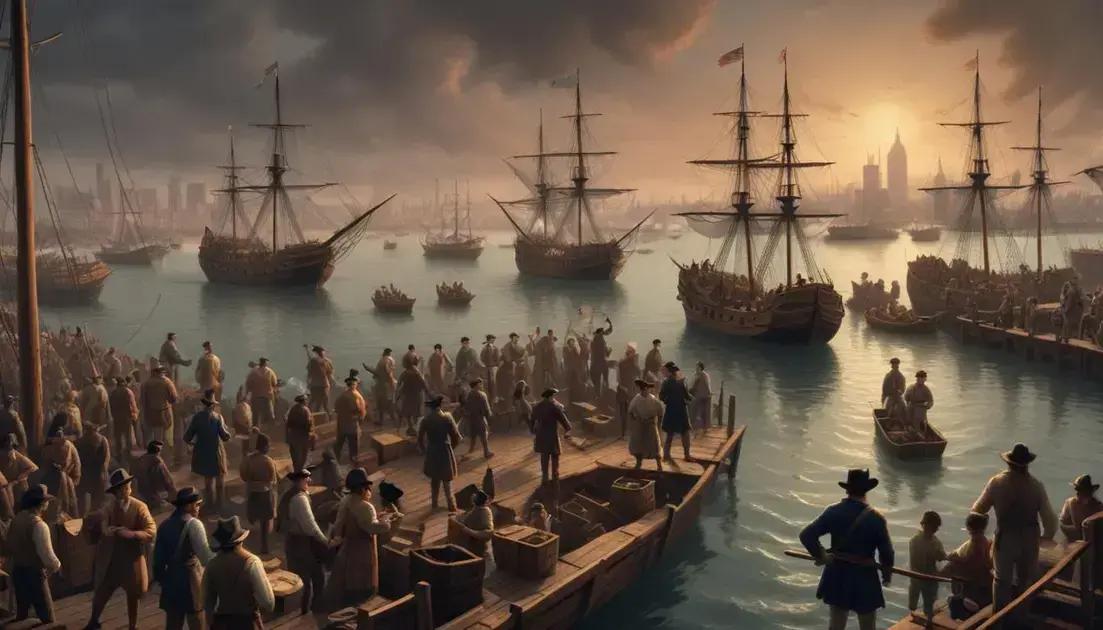
Defiance of British rule was a bold step taken by the thirteen colonies. People wanted freedom and a say in their own governance. They grew tired of taxes without representation. Boston Tea Party was one shining example of this resistance. Colonists protested by dumping tea into the harbor. This act showed their anger against British policies.
Key Events of Defiance
Many events fueled the spirit of defiance. The Stamp Act imposed taxes on printed materials, angering newspapers and everyday people alike. Citizens organized protests, and groups like the Sons of Liberty emerged. They worked to spread the message of freedom across the colonies.
Another significant moment was the battles of Lexington and Concord. These first clashes showed that colonists were ready to fight for their rights. Their resistance sparked hope for independence and encouraged other colonists to join the cause.
The Role of Committees of Correspondence
Committees of Correspondence played a vital role during this time. They helped colonists communicate and share information quickly. They also united different colonies against British rule. This was crucial in spreading ideas and organizing protests.
Through these actions, the colonies showed their determination. They made it clear that they would not back down. The seeds of rebellion were sown, leading to the path of revolution.
The Road to Independence
The road to independence was not easy for the thirteen colonies. It was filled with struggles and hard decisions. Many colonists felt they had no choice but to fight for their rights. Events like the Boston Massacre raised awareness about British aggression.
Growing Discontent
Many colonists started to share their feelings openly. They didn’t want to be ruled by a distant monarchy. The Intolerable Acts only fueled their anger. These laws restricted their freedoms and stirred up more protests.
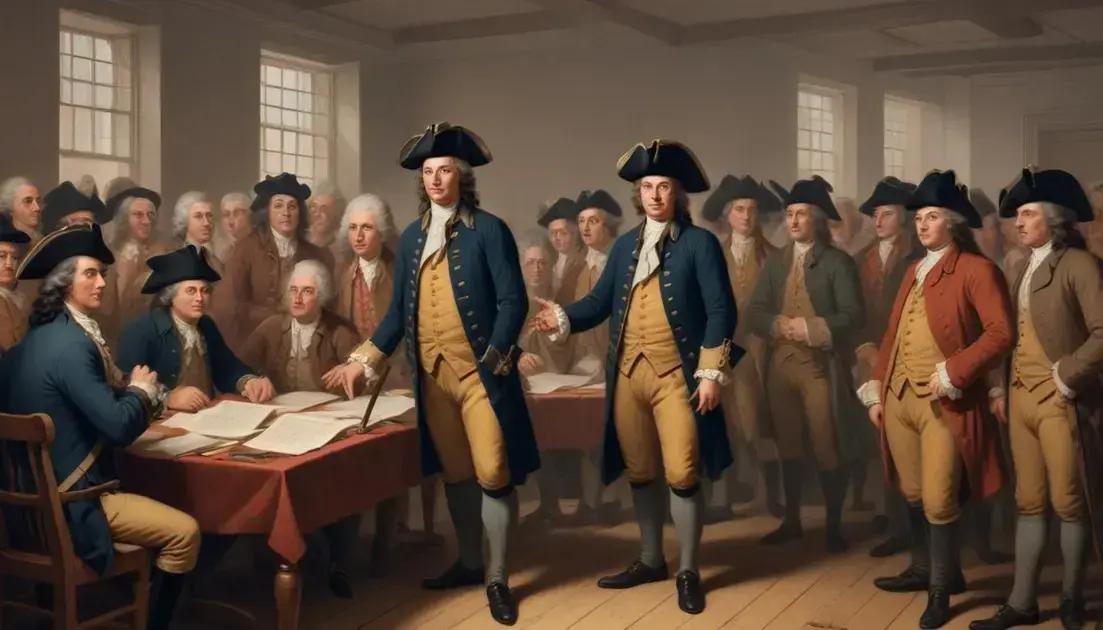
Colonists formed the First Continental Congress in 1774. This was a group of delegates from various colonies. They discussed how to respond to British actions. The idea of unity began to grow among the colonies.
The Declaration of Independence
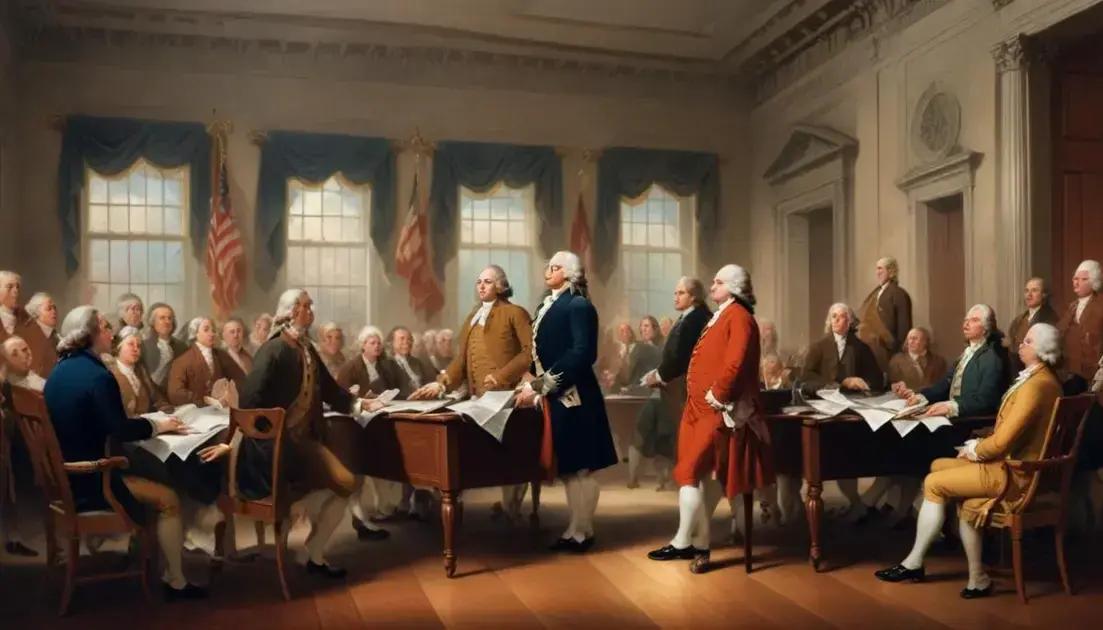
The declaration was a massive step toward freedom. Thomas Jefferson drafted the Declaration of Independence in 1776. This document stated that all men are created equal.
It expressed the colonies’ right to be free. This bold statement inspired many people. It laid the groundwork for a new nation. The signing was a courageous act of rebellion.
Building an Army
As tensions mounted, colonies began forming militias. These groups were made up of local citizens ready to fight. The Continental Army was established to lead the charge against British forces.
George Washington was chosen as the commander. His leadership inspired many to join the fight. The road to independence was a journey filled with hope and determination.
Key Events: Battles and Treaties
The key events of the American Revolution shaped the fight for independence. Battles and treaties played major roles in this journey. Each battle tested the resolve of the colonists and brought them closer to freedom.
Major Battles
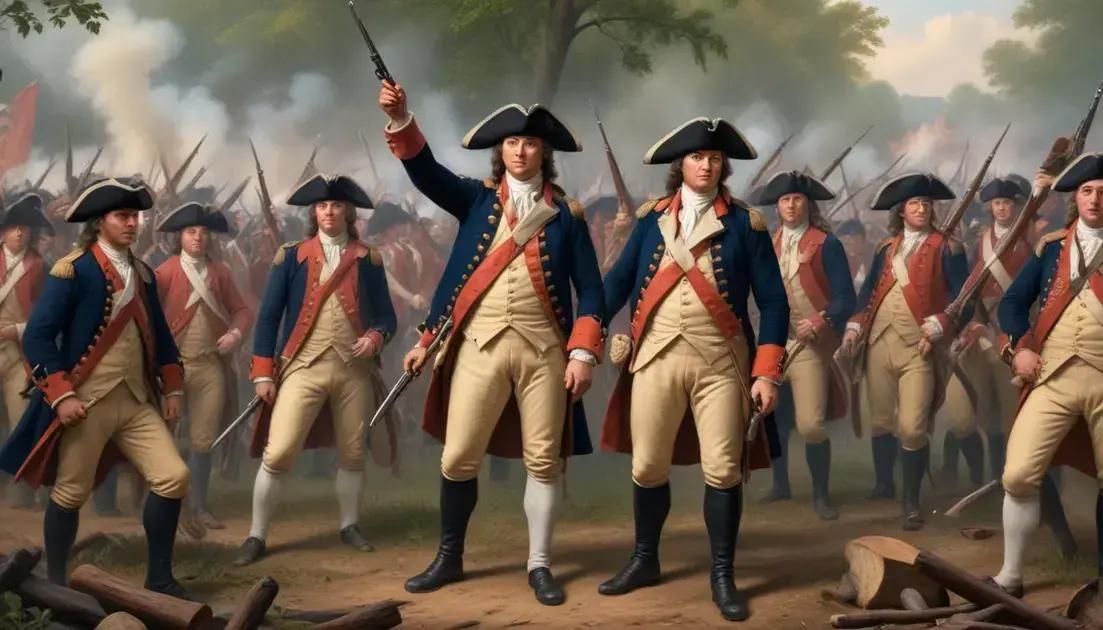
One of the first major battles was at Lexington and Concord. This was in April 1775 and kicked off the war. Colonial militia faced British troops head-on. It showed that colonists were willing to fight.
The Battle of Bunker Hill followed in June 1775. Though the British won, the colonial fighters showcased their strength. They showed they could stand against the experienced British army.
Later, the Battle of Saratoga in 1777 became a turning point. This victory convinced France to support the colonies. Their help proved crucial to the American cause.
Treaties and Agreements
Treaties were just as important as battles. The Treaty of Paris, signed in 1783, ended the war. This treaty recognized the United States as an independent nation. It marked a significant milestone in history.
Other agreements helped establish alliances and peace. Each battle fought brought the colonists closer to achieving their goal. Each treaty signed set the stage for the new nation.
Overall, the key events of battles and treaties were critical in shaping the outcomes of the American Revolution. They laid the groundwork for the freedoms enjoyed today.
The Declaration of Independence
The Declaration of Independence was a key document in American history. Drafted in 1776, it proclaimed the colonies’ freedom from British rule. Thomas Jefferson was the main author, and his words inspired many.
Core Ideas of the Declaration
This document contained important ideas about freedom and rights. It stated that all men are created equal. It also said people have rights to life, liberty, and the pursuit of happiness.
Jefferson argued that governments get their power from the consent of the governed. This means that people have the right to choose their own leaders. If a government stops protecting people’s rights, they can change or remove it.
Impact on the Colonies
The Declaration united the colonies in their fight for independence. It motivated people to join the cause. Many colonists felt proud to be fighting for their freedom.
On July 4, 1776, colonies declared their independence. Celebrations followed, showing their hope for a new beginning. This date is now celebrated as the nation’s birthday.
A Global Influence
The Declaration influenced other countries too. Many nations looked to it as a model for their own struggles for freedom. It changed the way people thought about government and individual rights.
Today, it remains a symbol of democracy and freedom around the world. The Declaration of Independence is more than a historical document; it represents the ideals of a free society.
Aftermath and Legacy
The aftermath of the American Revolution shaped the future of the United States. The war ended in 1783, and the nation had to rebuild. Many challenges lay ahead as the new country established itself.
Creating a New Government
One of the first tasks was to create a government. The Articles of Confederation were put in place. However, these articles had many weaknesses. They didn’t give enough power to the federal government.
This led to problems, like issues with trade and finance. In 1787, leaders met in Philadelphia to draft a new constitution. This created a stronger federal system and checks and balances.
Social Changes
The Revolution also sparked social changes. Ideas of equality and liberty influenced many. These ideas encouraged movements for abolition and women’s rights.
While the Revolution ended legal oppression for many, inequalities still existed. African Americans and Native Americans continued to fight for their rights.
Global Influence
The legacy of the American Revolution reached beyond the U.S. It inspired other nations to pursue their own independence. Countries like France witnessed how ordinary people could challenge monarchies.
The Revolution also showed the importance of democratic ideals. The principles laid out in the Declaration of Independence became a guiding light for future generations.
Today, the legacy of the American Revolution is still felt. It set the foundation for a nation built on freedom and democracy. The struggles and triumphs of that era continue to inspire people around the world.
Conclusion
In conclusion, the American Revolution marked a turning point in history. It was a time of bravery, struggle, and hope. The colonies fought hard for their freedom and established a new nation based on democratic ideals.
The key events, from battles to the Declaration of Independence, shaped a legacy that still inspires people today. After the war, the new country faced challenges, but it also opened doors for growth and change.
The impact of the Revolution reached far beyond America, influencing many around the world. The principles of liberty and equality are timeless and continue to guide our understanding of democracy.
As we remember this important period, let’s keep in mind what it stands for: the pursuit of freedom and the belief that everyone deserves a voice. The story of the American Revolution teaches us the power of unity and the importance of standing up for our rights.