The American roots of virtual reality
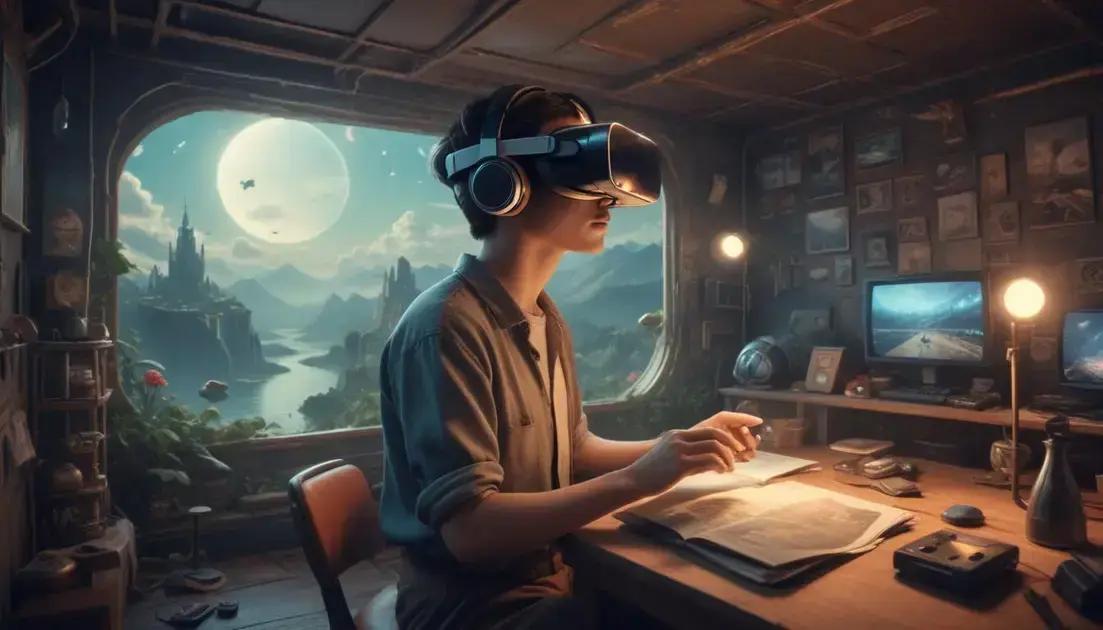
Virtual Reality (VR) has significantly influenced culture by enhancing art, film, and music experiences. Artists create immersive artworks while filmmakers offer interactive storytelling in VR. It allows fans to enjoy concerts as if they were front row, making music more accessible. In education, VR provides engaging learning experiences, and it helps connect people across distances. Embracing VR fosters creativity and cultural appreciation, showcasing its transformative potential in our lives.
Virtual Reality has fascinated scientists and dreamers for decades, influencing technology and culture in unexpected ways. Curious how this all began? Let’s dive in!
Early Concepts of Virtual Reality
The idea of Virtual Reality has roots going back many years. Artists and writers imagined it long before technology caught up. They dreamed of a world where we could escape reality and enter new realms.
Inspiration from Science Fiction
Many early concepts came from science fiction stories. Authors like Philip K. Dick and Isaac Asimov wrote about advanced technologies that could change our perceptions. These stories inspired inventors and dreamers to think big.
The First VR Devices
In the 1960s, the first real VR device was created. It was called the Sensorama. This machine combined 3D films, sound, and even smells to create an immersive experience. It was a leap forward in thinking!
Growth of VR Concepts
Throughout the 70s and 80s, innovators kept exploring how to make virtual worlds better. Early computer graphics also made it possible to develop more realistic environments. People began to see the potential of VR beyond just games.
Academic Exploration
Universities became interested in studying Virtual Reality. Researchers explored how VR could help in learning and training. Using VR for education was a revolutionary idea!
All these early concepts set the stage for the VR we know today. These ideas sparked a passion that led to the gadgets we wear and use now.
The Evolution of VR Technology
The world of Virtual Reality technology has changed a lot over the years. In the beginning, VR was just a dream. However, today it’s more real than ever. Many innovations shaped this journey.
From Basic Beginnings
Early VR systems were simple. They used basic graphics and limited interaction. Users wore headsets that made them feel like they were in another world. But these systems were far from perfect.
Advancements in Graphics
As computers got better, so did VR. The 90s brought improvements in graphics. Developers created more realistic worlds. Users started to feel truly immersed in their experiences.
The Rise of Gaming VR
In the early 2000s, gaming took a big leap with VR. Games like Half-Life saw the potential of combining VR with interactive play. This greatly changed how people enjoyed gaming.
Consumer Headsets
The launch of consumer headsets in the mid-2010s was a game changer. Companies like Oculus made VR accessible for everyone. People could now play, explore, and socialize like never before.
Current Trends and Future
Today, VR technology is everywhere. It’s in homes, schools, and even workspaces. People use it not just for games but also for training and education. The future looks bright for VR as new innovations emerge.
Cultural Impact of Virtual Reality
Virtual Reality has changed how we interact with culture. It offers new ways to experience art, music, and stories. People can explore different worlds without leaving home.
New Art Forms
Artists are using VR to create immersive experiences. Viewers can walk through art galleries or even inside a painting. This makes experiencing art much more personal.
Changing How We See Movies
Films have also started to use VR. Directors create stories that viewers can enter. Instead of just watching, audiences can feel part of the film.
Music in a New Light
Concerts in VR allow fans to experience live shows from anywhere. They can feel like they’re in the front row. This has made music more accessible to fans worldwide.
Education and Training
Schools and organizations use VR for training. Students can explore historical events or science lessons in a virtual setting. This helps with better understanding and retention of knowledge.
Connecting People
VR can also bring people together. Friends and family can connect in virtual spaces, even if they are far apart. Shared VR experiences can help strengthen relationships.
Conclusion
In conclusion, Virtual Reality has truly transformed our cultural landscape. It opens doors for new art forms, changes how we experience movies, and creates unique ways to enjoy music. With VR, education becomes more engaging and training more effective.
Moreover, VR connects us, letting friends and family share experiences no matter how far apart they are. Embracing this technology can enhance our understanding and enjoyment of culture, making it more accessible and exciting for everyone. As VR continues to evolve, it will surely offer even more opportunities for connection and creativity in our lives.