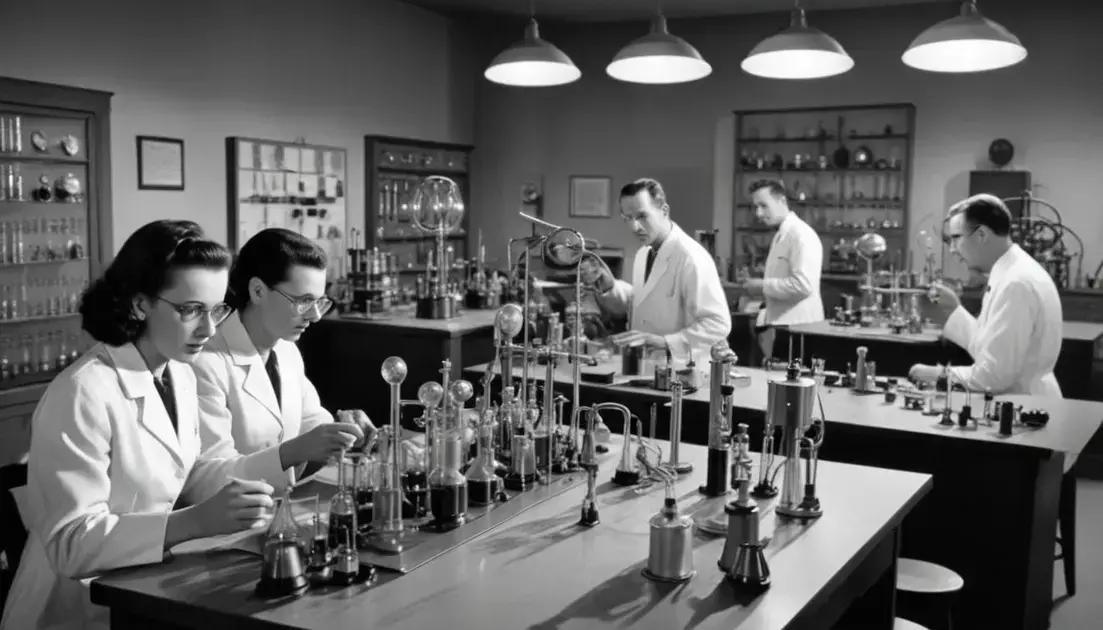
The Atomic Age: When Science Met Power
The future of atomic energy is shaped by innovations like small modular reactors and nuclear fusion, offering cleaner energy solutions. As society seeks to reduce reliance on fossil fuels, the integration of nuclear power with renewable energy sources holds great potential. However, addressing public concerns about safety and nuclear waste management is essential. With ongoing advancements in technology and supportive policies, nuclear energy could play a key role in creating a sustainable energy landscape for future generations.
The Atomic Age marked a pivotal shift in human development, blending remarkable advancements in science with ethical dilemmas. As we dive into this fascinating era, you might wonder—what happens when science and power unite?
The dawn of atomic science
The dawn of atomic science was a thrilling time. Scientists were discovering new ways to understand matter at its core. In the early 20th century, a few key figures changed how we think about atoms.
Key Discoveries
One major breakthrough came from Ernest Rutherford. He showed that atoms have a tiny nucleus at their center. This nucleus holds protons and neutrons. Later, Niels Bohr developed a model that explained how electrons move around this nucleus.
The Role of Radium
Another important moment was the discovery of radium by Marie Curie. Her work with this radioactive element opened doors to many new fields. People began to see how atomic energy could be used in various ways.
Changing Our View of the Universe
These discoveries changed our view of the universe and matter. Atoms are now seen as building blocks of everything around us. This new understanding encouraged more research and sparked countless inventions.
As the atomic science field grew, so did fascination and concern. Scientists and the public started to ask: What does this mean for the future? Would atomic power lead to progress, or were there risks involved?
Key historical events and discoveries
Throughout the Atomic Age, many key historical events shaped our understanding of atomic science. These discoveries played a huge role in how we use atomic energy today.
The Discovery of X-rays
In 1895, Wilhelm Conrad Roentgen discovered X-rays. This event opened new doors in medicine and physics. X-rays allow us to see inside the human body without surgery.
The First Nuclear Fission
The discovery of nuclear fission came in 1938. Scientists Otto Hahn and Fritz Strassmann found that splitting uranium atoms releases a large amount of energy. This was a game-changer for energy production.
The Manhattan Project
During World War II, the Manhattan Project aimed to develop atomic bombs. This secret U.S. project involved many scientists, including Robert Oppenheimer. They worked tirelessly to harness nuclear energy for warfare.
The Atomic Bombs on Hiroshima and Nagasaki
In August 1945, atomic bombs were dropped on Hiroshima and Nagasaki. These events showed the world the destructive power of atomic weapons. They also led to debates about nuclear energy’s risks and benefits.
These significant moments in history continue to influence how we discuss atomic power and its implications today. Understanding them is key to grasping the Atomic Age’s impact on our world.
The ethical implications of nuclear power
The use of nuclear power raises many ethical implications. While it can generate a lot of energy, it also comes with serious concerns. Understanding these issues helps us make better choices for the future.
Environment and Safety
Nuclear power plants can provide clean energy. However, accidents can have devastating effects. The incidents at Chernobyl and Fukushima remind us of the potential dangers. They lead to long-term environmental damage and health risks.
Nuclear Waste
Another issue is what happens to nuclear waste. This waste remains dangerous for thousands of years. Finding safe ways to store and dispose of it is a major challenge. Communities often resist having waste stored near them.
Global Security
Nuclear power also raises questions about global security. The materials used can be the same as those for nuclear weapons. This connection raises worries about terrorism and arms proliferation.
Equity in Energy Access
While nuclear energy can help fight climate change, it’s crucial to consider who benefits. Wealthier countries often lead in nuclear power development. But developing nations may lack access to the same technologies. This can increase global inequalities in energy availability.
By examining these ethical implications, we can have informed discussions about the role of nuclear power in our energy future.
Future of atomic energy and technology
The future of atomic energy and technology looks promising yet challenging. As the world seeks cleaner energy, nuclear power could play a key role. Advances in technology may help us maximize the benefits while minimizing the risks.
Innovation in Reactor Design
New reactor designs are emerging. One exciting option is the small modular reactor (SMR). These smaller reactors can be built in factories and transported easily. They promise to be safer and more cost-effective.
Nuclear Fusion Possibilities
Nuclear fusion is another area of research. Unlike fission, which splits atoms, fusion combines them. This process could produce immense energy with fewer risks and waste. Scientists are working hard to make fusion a reality.
Integration with Renewable Energy
Combining nuclear energy with renewable sources is a big topic. For instance, solar and wind power can work alongside nuclear power. This combination could provide a stable energy supply while reducing reliance on fossil fuels.
Public Perception and Policy
The future also depends on public perception. Many people worry about nuclear safety. Better communication and transparency about advancements in safety measures can help change minds. Strong policies are needed to regulate and support nuclear technologies.
With smart planning and innovation, atomic energy can contribute to a sustainable future. We must focus on advancing technology while ensuring safety and environmental responsibility.
Conclusion
In conclusion, embracing the potential of atomic energy and advancements in technology is crucial for a sustainable future. As we face pressing energy challenges, nuclear power offers a cleaner alternative. Innovations like small modular reactors and the pursuit of nuclear fusion show great promise.
It’s also important to combine nuclear power with renewable energy sources. This blend can create a stable energy supply that reduces our dependence on fossil fuels. Public support and strong policies are vital to achieving these goals.
By focusing on safety, transparency, and education, we can address the concerns surrounding nuclear power. The future of energy could be bright if we harness these advances wisely. As we move forward, let’s work together to ensure a safe and sustainable energy landscape for generations to come.