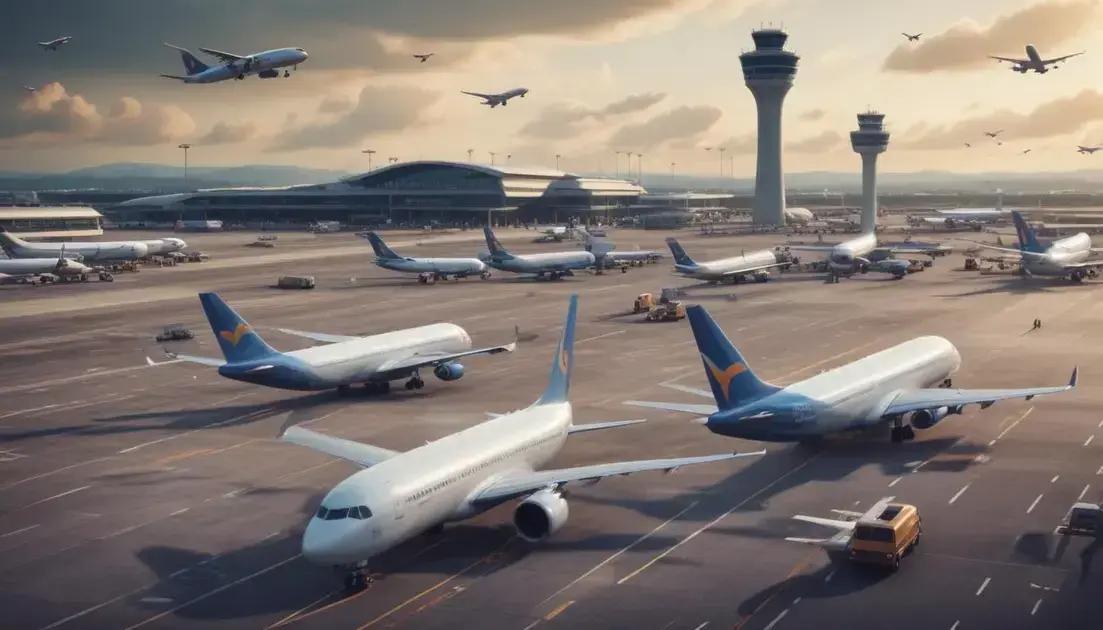
The aviation boom that lifted the nation
The aviation industry significantly impacts global commerce and culture by providing fast transport of goods and connecting people worldwide. While air travel enhances tourism and fosters cultural exchange, it also faces challenges such as rising fuel costs, safety concerns, and environmental pressures. Addressing these issues is essential for sustainable growth and passenger satisfaction in the aviation sector.
In the world of modern transportation, aviation has emerged as a revolutionary force, changing travel and trade like never before. Ready to discover how?
The Impact of Aviation on Commerce
The impact of aviation on commerce is massive. It has transformed how goods are transported around the globe. Fast air travel allows businesses to ship products quickly. This speed is crucial in today’s market.
Due to aviation, fresh produce can reach distant markets in just hours. Imagine cherries from Washington landing in Tokyo within a day! This freshness can boost sales.
Aviation also opens new avenues for trade. Small businesses now have a chance to enter international markets. They can sell their products without worrying about long shipping times.
Furthermore, aviation helps companies cut costs. With lower transportation times, businesses can reduce inventory. This efficiency leads to better management of resources.
Air freight services have grown significantly. Major players are investing in more aircraft. This increase in capacity helps meet the rising demand for quick deliveries. Online shopping has also fueled this growth.
Another key point is global competition. Companies now compete on a larger scale. Availability of air travel allows small firms to challenge bigger companies. Efficiency is now a big factor in winning customers.
In short, the aviation industry is vital to modern commerce. Without it, businesses would struggle to thrive in the global economy.
Cultural Shifts Due to Air Travel
Cultural shifts have happened because of air travel. With more flights available, people can explore new places easily. Traveling to distant countries is now a breeze. This access helps us understand different cultures.
For instance, food from around the world has become popular. You can find sushi in New York or tacos in Tokyo. This mixing of cuisines enriches our dining experiences.
Also, air travel has made it easier for families to stay connected. People can visit loved ones across the globe with less hassle. This has strengthened bonds and created shared experiences.
Additionally, global events draw large crowds. Festivals and concerts attract international attention. Fans travel from far and wide, making cultural events more diverse.
Travel has also brought new ideas and trends. Fashion, music, and art often blend across borders. A visual artist might inspire others from different lands, creating a global dialogue.
However, not everything is positive. Cultural appropriation can occur when one culture adopts elements from another without proper understanding. It’s important to appreciate and respect the origins of different traditions.
In short, air travel has led to significant cultural shifts. It connects us with the world, broadening our horizons and shaping our societies.
Global Influence of Air Transportation
Global influence of air transportation is huge. It connects nations and fosters international trade. Goods travel by air faster than any other method. This speed promotes economic growth across the globe.
Moreover, air travel shapes tourism. Countries depend on visitors for income. Tourists bring new perspectives and culture to their destinations. Popular tourist spots thrive because of easy access.
Air transportation also impacts education. Students and professionals can study abroad with less fuss. Sharing ideas across borders leads to innovation. This educational exchange enriches learning experiences worldwide.
Additionally, air travel helps in crisis response. During emergencies, aid and relief can be transported quickly. The speed of air transport saves lives and supports recovery efforts.
Business events like conferences and trade shows benefit greatly. Attendees can travel worldwide, sharing knowledge and networking. This global reach creates stronger trade ties between countries.
Lastly, cultural exchange plays a key role. People interested in arts, music, and history often travel for cultural experiences. These adventures build appreciation for diverse customs and traditions.
In summary, air transportation offers a wide range of benefits. It connects economies, cultures, and individuals, driving global progress.
Challenges in the Aviation Industry
Challenges in the aviation industry are significant and varied. One major issue is rising fuel costs. When fuel prices go up, airlines face higher expenses. This can lead to increased ticket prices for travelers.
Another challenge is safety. Airlines must meet strict safety regulations. This involves regular checks and training for staff. Safety incidents can harm a company’s reputation greatly.
Environmental concerns are also crucial. The aviation industry contributes to greenhouse gas emissions. As climate change becomes a bigger issue, airlines are under pressure to reduce their carbon footprint.
Moreover, the aviation workforce faces shortages. Finding skilled pilots and technicians is becoming harder. Many experienced workers are retiring, leaving gaps in knowledge.
Additionally, technological advancements bring their own hurdles. While new tech can improve efficiency, it requires investment. Airlines must balance keeping up with innovations and controlling costs.
Air travel disruptions, like delays and cancellations, create frustration for passengers. Weather events, technical issues, and staff shortages often cause these problems. Airlines strive to improve their customer service to handle such situations better.
In conclusion, the aviation industry contends with multiple challenges. Addressing these issues is vital for growth and customer satisfaction.
Conclusion
In conclusion, the aviation industry plays a vital role in our modern world, connecting people and driving commerce. However, it faces significant challenges that need attention. Rising fuel costs and safety concerns can affect airline operations and customer satisfaction.
Additionally, environmental pressures and workforce shortages pose serious issues that must be addressed. As technology evolves, airlines must weigh the cost of innovation against their budgets. Improving the overall travel experience while tackling these challenges is essential for future growth.
By recognizing and working on these issues, the industry can continue to thrive. Ultimately, the goal should be to create a safer, more efficient, and environmentally-friendly aviation experience for everyone.
Tags: