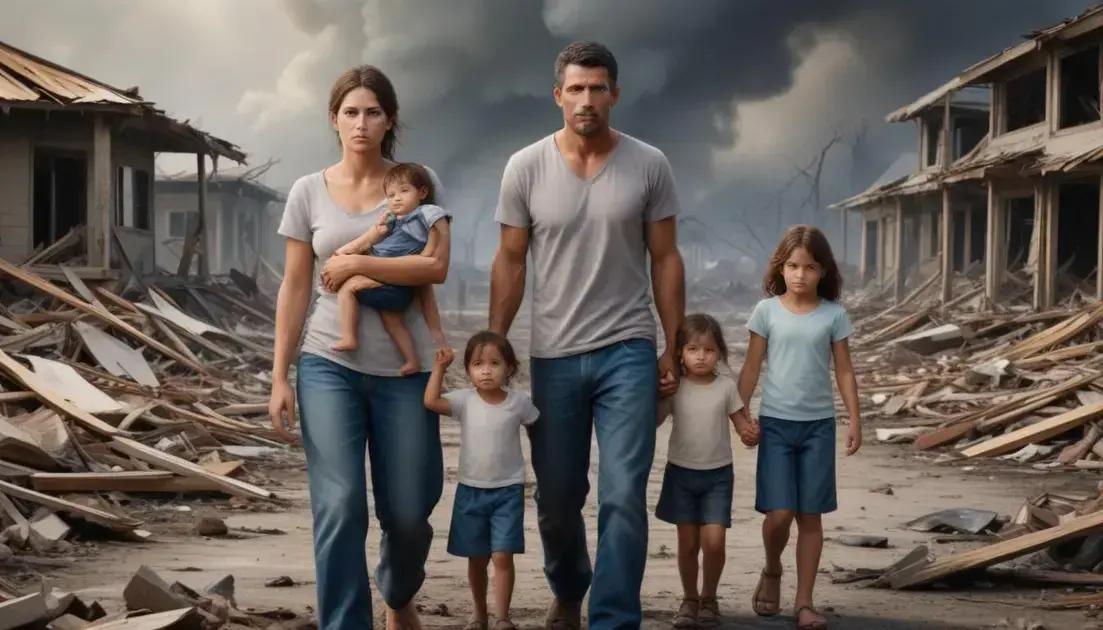
The families who survived America’s harshest disaster
Survivors of disasters share important lessons about preparedness, community support, and resilience. Key strategies include having emergency plans, staying calm, and utilizing local resources. These narratives highlight how families can cope with challenges and rebuild stronger together, demonstrating the power of unity in overcoming adversity.
Disaster can strike at any moment, leaving families to navigate insurmountable challenges. How do they find the strength to carry on? Read on to uncover their incredible stories of resilience and survival.
The impact of the disaster on families
Disasters can change everything for families. When a disaster strikes, it affects every aspect of their lives. Family members often have to leave their homes and all their belongings behind. This sudden change can lead to stress, sadness, and confusion.
Immediate Effects
In the immediate aftermath of a disaster, families may not know where to go. They might seek shelter in local community centers or with friends. Having to leave their homes can be traumatic. It’s important to understand the emotional impact of such events.
Long-Term Challenges
Long-term challenges can include rebuilding homes and lives. Financial strain and loss of jobs are common. Families may struggle to find resources for repairs and recovery. This can lead to feelings of helplessness and uncertainty about the future.
Community Support
Community support plays a key role in recovery. Local organizations often step in to help affected families. They provide food, clothing, and financial assistance. This support can make a huge difference in helping families get back on their feet.
Understanding the impact of disasters on families is crucial. These experiences shape their lives and relationships. They may also learn to rely on each other in new ways. Resilience is born from such challenges, fostering strength and unity within families.
Survival strategies and narratives
Survival in the face of disaster requires quick thinking and strong strategies. Families facing tough situations often share their stories to help others. These narratives provide insight into what worked and what didn’t.
Planning Ahead
One key strategy is planning ahead. Families that prepare for emergencies can react faster. This may include creating emergency kits with food, water, and first-aid supplies. Knowing where to go and who to contact can save lives.
Sticking Together
Staying close with family members is important during a disaster. Being together can provide emotional support. Families often find strength in unity when facing challenges. This connection can help them cope better.
Community Resources
Using community resources is a great way to survive. Local organizations often offer help, such as food or shelter. Joining community groups can also create a support network for families in need.
Many survivors highlight the power of storytelling. Sharing experiences can inspire others and offer hope. These narratives show how families navigated difficult times. They remind us that resilience can shine through even the darkest moments.
Community resilience in adversity
Community resilience is crucial during tough times. When disasters strike, communities often come together. They support each other in various ways. This can include sharing resources, skills, and emotional strength.
Supporting Each Other
Neighbors often become a lifeline during crises. They may share food, water, and shelter. This builds trust and strengthens bonds among residents. Knowing you’re not alone makes a huge difference.
Local Organizations
Local organizations play a vital role in recovery. They offer assistance like food banks and counseling services. Many communities have groups that rally people together to help those in need. Their efforts can provide essential support.
Sharing Knowledge
Sharing knowledge is also important for resilience. Communities that teach preparedness strategies help others feel safe. Workshops on disaster readiness prepare families for future challenges. Learning how to respond empowers everyone.
Stories of community resilience often inspire hope. They remind us that strength can be found in unity. Together, communities can overcome challenges and rebuild in the face of adversity.
Lessons learned from the survival stories
Survival stories teach us valuable lessons. They show how people handle tough situations. Each story highlights different ways to cope with challenges.
Importance of Preparation
One big lesson is the importance of preparation. Many survivors had plans in place before disasters struck. They recommend having emergency kits ready. This includes food, water, and first-aid supplies.
Staying Calm
Another lesson is to stay calm during crises. Keeping a clear head helps families make better decisions. Panic can lead to mistakes that put them at risk.
Reaching Out for Help
Survivors often stress the need to reach out for help. Asking friends, neighbors, and local organizations can be lifesaving. Community support is crucial for emotional and practical aid.
Finally, many emphasize the power of resilience. Survivors show that despite hardships, people can rebuild and move on. These lessons are essential for others facing similar challenges.
Conclusion
In conclusion, the survival stories shared by families during disasters teach us many important lessons. They highlight the value of preparation, staying calm, and reaching out for help. Communities coming together show us the power of support when times are tough.
By learning from these experiences, we can better face future challenges. Resilience is key, and it reminds us that no matter how hard things get, there’s always a way to overcome. Taking these lessons to heart can help us all build stronger, safer communities.