The Great Schism: when Christianity split in two
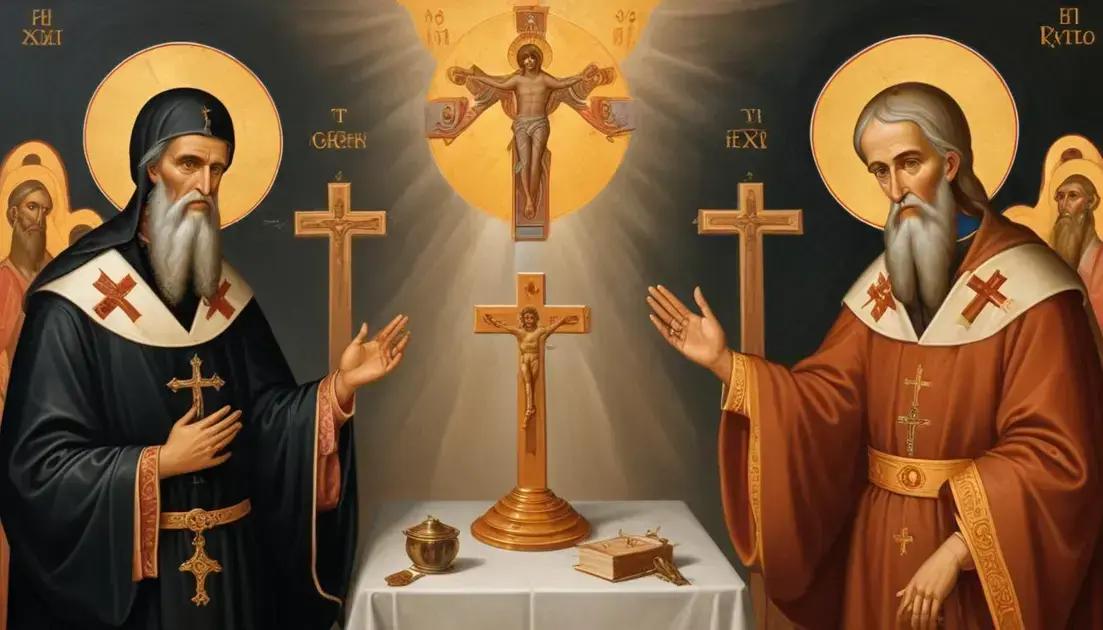
The Great Schism in 1054 divided Christianity into Eastern Orthodox and Roman Catholic branches due to political conflicts, theological disagreements, and cultural differences. Key events like the Photian Schism and mutual excommunications heightened tensions. Today, both churches engage in modern reconciliation efforts through dialogue, joint commissions, and shared events, promoting understanding and unity while addressing historical divides and differences in practices.
Have you ever wondered about the Great Schism? This monumental event essentially split Christianity into Eastern and Western branches, deeply influencing religious practices and beliefs.
The Causes of the Schism
The Great Schism happened due to many reasons. One big cause was the growing differences between the Eastern Orthodox and the Roman Catholic Church. Each side had its own beliefs, rituals, and leaders that often clashed.
Political Power Struggles
Politics played a huge role in the schism. The Byzantine Empire in the East wanted to maintain control and power. Meanwhile, in the West, the Pope sought to assert his authority over all Christians, leading to tensions.
Theology and Doctrine Differences
Another cause was differences in theology. The two churches disagreed on important issues like the nature of the Holy Spirit. The East believed the Spirit came only from the Father, while the West said it came from both the Father and the Son. These theological debates created deep division.
Cultural Factors
Cultural differences also fueled the schism. The East spoke Greek and had different traditions compared to the Latin-speaking West. These differences in language and culture led to misunderstandings and conflict.
Influence of the Filioque Controversy
The Filioque controversy was a major theological disagreement. The Western Church added “and the Son” to the Nicene Creed. This upset the Eastern Church, which saw it as a change to a sacred text without their agreement.
All these causes combined over time, leading to a major split in 1054. This split still affects Christian faith to this day. Understanding the roots of the Great Schism helps us see how history shapes beliefs today.
Key Events Leading Up to the Split
Several key events led to the Great Schism in 1054. Understanding these moments can help us grasp why Christianity split. Here’s a look at those crucial events.
The Photian Schism
In the 9th century, the Photian Schism occurred. It started when Patriarch Photius of Constantinople was removed. This caused tension between the Eastern and Western churches. It set the stage for later conflicts.
Western Influence in the East
As time went on, the West began to assert more influence. The Pope’s authority grew, leading to more clashes. Eastern leaders felt challenged by this push for power from the West.
Mutual Excommunications
In 1054, a major event happened. Cardinal Humbert, representing the Pope, excommunicated Patriarch Michael I. This act was a strong signal of the growing divide. Both sides felt betrayed, and feelings hardened.
The Role of the Crusades
The Crusades also played a part in the schism. They sparked tension and conflict between the East and West. As the Crusaders traveled, they often treated Eastern Christians poorly. This deepened the rift.
Political Conflicts
Throughout the years, various political issues arose. Different rulers sought their own support. Alliances formed, and loyalties shifted, impacting church relations.
These events combined over time to create a perfect storm for the Great Schism. Each contributed to the lack of unity in one of the world’s major religions.
Impact on Eastern and Western Christianity
The Great Schism had a lasting impact on both Eastern and Western Christianity. This divide shaped how each branch developed over the centuries.
Differences in Practices
After the schism, the Eastern Orthodox Church and the Roman Catholic Church focused on different practices. The East continued to conduct services in Greek, while the West used Latin. These language differences deepened their separation.
The Role of Clergy
The role of clergy also changed. In the Western Church, the Pope became a central figure. In the East, bishops held more localized power. This shift influenced church governance and authority.
Theologian Debates
Debates over theology flourished in both branches. The Western Church emphasized the idea of original sin and the need for salvation through faith. Meanwhile, the East focused on the concept of theosis, or becoming one with God.
Relations with Other Faiths
The schism also affected how each church engaged with other faiths. Western Christianity often took an aggressive approach to convert others. The Eastern Church was generally more open to dialogue.
Continued Tensions
Tensions from the schism led to conflicts over centuries. Events like the Crusades worsened relations. Each side viewed the other with suspicion and distrust.
Even today, the impact of the Great Schism is felt. Many differences remain, but efforts for unity continue. Recognizing these differences helps us understand the broader landscape of Christianity.
Modern Reconciliation Efforts
In recent years, there have been significant modern reconciliation efforts between the Eastern Orthodox and Roman Catholic churches. These efforts aim to heal the divisions from the Great Schism of 1054.
Dialogue between Leaders
Church leaders from both sides have started open dialogues. These meetings promote understanding and share perspectives on faith and traditions. They focus on what unites rather than what divides.
Joint Commissions
Joint commissions have been formed to explore theological differences. Both churches discuss complex issues, like the authority of the Pope and the role of sacraments. This cooperation aims to find common ground.
Shared Events and Celebrations
Shared events, such as prayer services and celebrations, also encourage unity. These gatherings allow believers to come together and celebrate their common faith while respecting differences.
Educational Initiatives
Educational initiatives help promote awareness of each other’s beliefs. Programs are designed to teach the history and traditions of both churches. This understanding can foster respect and reduce misconceptions.
Emphasis on Ecumenism
The modern ecumenical movement encourages unity among all Christian denominations. Both the Orthodox and Catholic churches are part of this movement. It focuses on shared values and missions in the world.
These reconciliation efforts show a commitment to moving beyond past conflicts. By working together, both churches strive for a future where their shared faith can grow.
Conclusion
In conclusion, the Great Schism has shaped Christianity in significant ways. Understanding its causes and impacts helps us appreciate the richness of both Eastern Orthodox and Roman Catholic traditions. Today, efforts toward reconciliation show promise for a united future. Through dialogue, education, and shared experiences, both churches are working to heal wounds from the past.
As we continue to explore our differences, we also find common ground. Emphasizing unity can lead to greater understanding and cooperation among all Christians. The journey toward reconciliation is ongoing, but each step brings us closer to a more peaceful coexistence. By focusing on what connects us, we can honor our shared faith while celebrating our unique histories.