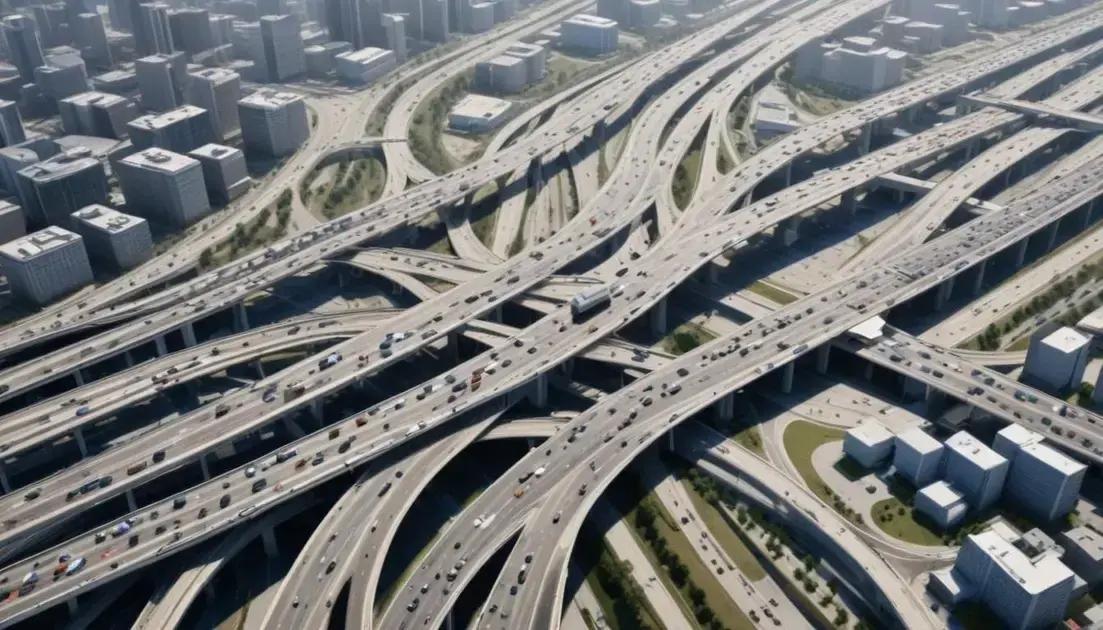
The highway system that transformed America
The highway system has profoundly affected America by enhancing its economy, culture, and transportation. It has facilitated business growth, improved travel access for families, and sparked cultural changes while also raising environmental concerns. The future of American transportation includes innovations such as electric vehicles, smart infrastructure, and ride-sharing, aimed at creating safer, more efficient travel. Emphasizing sustainable practices will be key to mitigating the environmental impacts associated with highway expansion.
Highway System played a crucial role in shaping modern America, linking cities and creating opportunities. As we explore this topic, let’s dive into how these roads transformed our daily lives and the economy.
The inception of the highway system
The inception of the highway system changed how Americans travel and connect. It began in the 1950s with President Eisenhower’s vision of a vast network of roads. These highways made it easier to move goods and people across the country.
Key Factors in Development
Several factors led to the creation of the highway system. First, the increase in car ownership changed how people traveled. More families had vehicles, making highways necessary. Second, the growing economy needed better ways to transport products. Highways helped businesses thrive by connecting producers to markets.
Impact on Society
This new network had a profound effect on society. It brought families closer together and opened up parts of the country that were once hard to reach. Highways also helped tourism grow. People could take road trips to national parks and other attractions with ease.
Challenges Faced
Despite the benefits, the highway system faced challenges. Building these roads often meant displacing communities. Many neighborhoods were torn down to make way for new highways. This destruction led to debates about fairness and community impact.
Lasting Legacy
Today, the highway system remains essential. It continues to support daily commutes and commerce. It shows how a bold plan can forever change a nation. The highway system is a symbol of progress and connection for many Americans.
Economic impacts of the highways
The economic impacts of the highways have been significant in shaping the United States. Highways play a crucial role in connecting cities and regions. They make it easier for goods to be transported quickly across long distances.
Boosting Business
With faster transportation, businesses can reach more customers. This helps local economies grow. Companies can save money on shipping costs and deliver products more efficiently.
Job Creation
Building and maintaining highways creates jobs. Workers in construction, engineering, and planning benefit from these projects. These jobs can support local families and contribute to community development.
Tourism Growth
Highways also help boost tourism. People can easily travel to attractions, parks, and other destinations. This influx of visitors brings money into the local economy, helping businesses thrive.
Impact on Real Estate
The presence of highways can increase property values. Homes near major roads often sell for more money. This trend shows how essential highways are to both personal and commercial real estate.
Challenges of Dependence
While highways provide many benefits, there are challenges too. Over-reliance on highways can lead to congestion. More cars on the road can hurt air quality and increase travel times.
Cultural changes brought by highways
The cultural changes brought by highways are vast and varied. Highways transformed how people view travel and connection. They made long-distance trips easier and more common for families.
Traveling for Leisure
Thanks to highways, weekend trips became a favorite pastime. Families can hit the road to explore new places. This shift led to a culture of road trips across America.
Changing Food Culture
Highways also changed how we eat. The rise of fast food restaurants along highways made grabbing a quick meal easy. This new dining trend influenced how families choose to eat when traveling.
Community Interactions
As highways connect cities, they also mix cultures. People from different backgrounds meet at rest stops and on the roads. This interaction helps spread new ideas and traditions between communities.
Decline of Local Businesses
While highways brought growth, they also hurt local businesses. Small shops and diners faced tough competition from larger chains. Many struggled to survive as people preferred the convenience of interstate options.
A New Sense of Freedom
Highways gave people a new sense of freedom. They could travel whenever they wanted without borders. This idea of exploration became a key part of American identity.
Environmental considerations
When we consider the environmental considerations of highways, it’s essential to recognize their impact. Highways can cause changes to natural landscapes and ecosystems. These changes can harm local wildlife and plants.
Habitat Disruption
Building highways often disturbs natural habitats. Animals lose their homes when forests and fields are cleared. This can lead to issues for species that rely on these areas for survival.
Air Pollution
Highway traffic contributes to air pollution. Cars and trucks release harmful gases. This pollution can affect both human health and the environment long-term.
Water Runoff
Another concern is water runoff. Rainwater can collect oil and chemicals from highways. This runoff can harm rivers and lakes, affecting the wildlife that lives there.
Solutions to Reduce Impact
To help reduce these negative effects, planners can use green practices. These include creating wildlife crossings, adding more trees, and using permeable materials for road surfaces. Such practices can help protect the environment while still meeting the needs of drivers.
Advancements in Transportation
Lastly, advancements in transportation are helping. Electric vehicles and public transit options reduce reliance on cars. These changes can lead to cleaner air and a healthier planet.
Future of transportation in America
The future of transportation in America is evolving rapidly. New technologies are changing how we get around. It’s about making travel safer, faster, and more efficient.
Electric Vehicles
One big change is the rise of electric vehicles (EVs). They’re cleaner and have lower maintenance costs. As battery technology improves, EVs will become more affordable and accessible.
Public Transportation
Public transportation is also getting a boost. Cities are investing in modern transit systems. Trains and buses that run on clean energy can help reduce traffic and pollution.
Smart Infrastructure
Another exciting development is smart infrastructure. This includes traffic signals that adapt based on traffic flow. It can help reduce congestion and improve safety on the roads.
Ride-Sharing Services
Ride-sharing services are changing how we think about car ownership. Many people now prefer to use apps to find rides instead of owning a car. This trend can help lower the number of vehicles on the road.
Autonomous Vehicles
Lastly, autonomous vehicles are on the horizon. These self-driving cars could change our lives in many ways. They promise to reduce accidents and give people more time for other activities.
Conclusion
In conclusion, the highway system has significantly impacted America by shaping its economy, culture, and transportation. As we look toward the future, embracing changes like electric vehicles and smart infrastructure is crucial. These advancements promise safer and more efficient travel for everyone.
While highways have brought many benefits, it’s essential to remain mindful of environmental concerns. By prioritizing sustainable practices and innovations, we can ensure that our transportation systems work for future generations.
Ultimately, understanding these dynamics helps us appreciate the importance of highways. They are not just roads; they connect lives, communities, and opportunities across the nation.