The Holocaust: remembering the darkest chapter
The Holocaust was a tragic event in history, involving the systematic genocide of six million Jews and millions of others by the Nazi regime during World War II. Remembering the Holocaust is crucial to prevent future atrocities. Education about this dark chapter fosters compassion and tolerance, while memorials and museums serve to honor those lost. Engaging in community discussions and supporting human rights organizations helps ensure that the lessons learned are not forgotten, creating a more just and understanding world.
Holocaust is not just a word; it’s a grim reminder of history that compels us to remember and learn. Have you thought about how these lessons shape our world today?
Introduction to the Holocaust
The Holocaust was a horrific time in history. It involved the systematic murder of six million Jews by the Nazi regime during World War II. Many others were targeted too, including Roma, disabled individuals, and political dissidents.
What’s striking is how this genocide was carefully planned. The Nazis implemented policies that dehumanized entire groups. They used propaganda to spread hate and fear. Have you ever wondered how such cruelty could happen?
During the Holocaust, concentration camps popped up across Europe. Millions were forced into these camps, where they faced starvation, forced labor, and death. It’s shocking to think about how many lives were lost.
Remembering the Holocaust is essential. It teaches us about the dangers of hatred and intolerance. By learning about this past, we can work toward a future where such events never happen again.
The Events of the Holocaust
The Holocaust unfolded in a series of horrific events from 1941 to 1945. It started with the Nazis’ rise to power, where they blamed Jews for many problems. Laws were created to isolate and discriminate against them.
In 1933, the Nazis began restricting Jewish rights. They faced boycotts, job losses, and were pushed out of schools. These actions led to a growing sense of fear and uncertainty.
By 1941, the situation worsened. The Nazis implemented the “Final Solution.” This meant the mass extermination of Jews in concentration and extermination camps.
One of the most infamous camps was Auschwitz. Over a million people were killed there. Many were gassed upon arrival. Others faced starvation, forced labor, or medical experiments.
The events of the Holocaust are difficult to comprehend. Millions lost their lives in unimaginable ways. Remembering these events is crucial to prevent history from repeating itself.
Impact on Humanity
The Holocaust had a profound impact on humanity. It changed the world in many ways. Millions of lives were lost, and entire communities were destroyed. This tragedy taught us valuable lessons about compassion and tolerance.
One major effect was the establishment of human rights laws. In the aftermath, countries came together to create the Universal Declaration of Human Rights. This important document aims to protect everyone, no matter their background.
The Holocaust also sparked awareness about discrimination. People became more aware of the dangers of hate and intolerance. Activists and educators work hard to keep these lessons alive today.
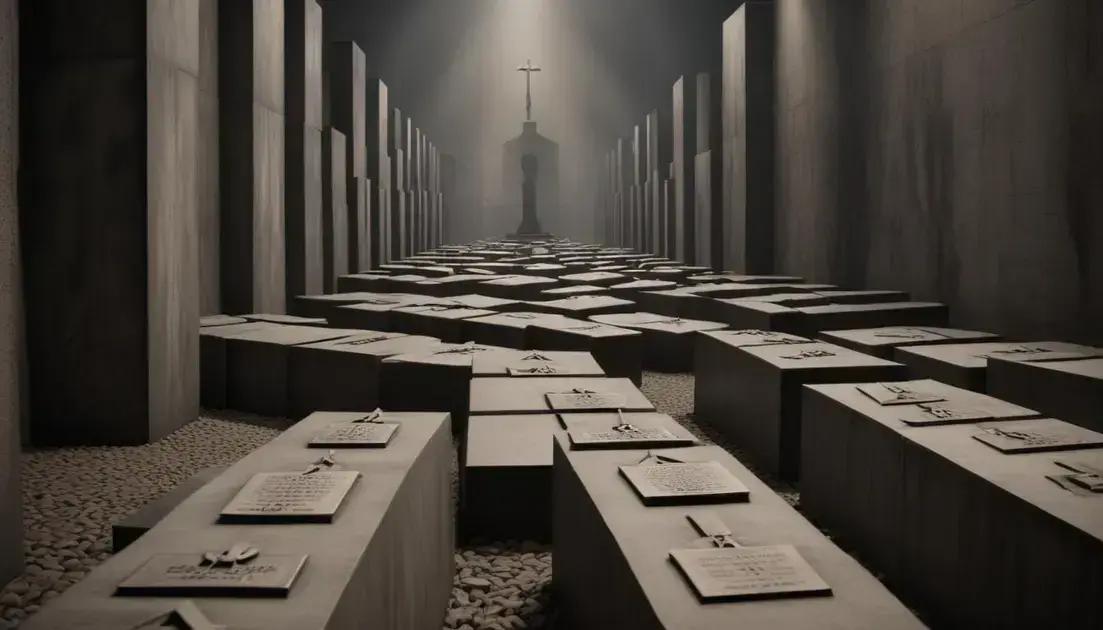
Moreover, the Holocaust influenced memorials and museums. They serve as reminders of the past. Visiting these sites helps people understand what happened and ensures that we never forget.
As we reflect on the Holocaust, it’s clear that we must stand against oppression. History reminds us that we have a duty to promote justice and equality for all.
Ways to Remember and Educate
Remembering the Holocaust is vital for preventing future atrocities. There are many ways to honor and educate others about this dark chapter in history. One effective method is through education in schools. Teaching students about the Holocaust helps them understand its significance.
Another way to remember is by visiting memorials and museums. Places like the Holocaust Museum encourage reflection and learning. These sites house artifacts and stories that keep memories alive.
Communities can hold events like memorial services and discussions. These gatherings provide a platform to share experiences and learn from survivors. They foster compassion and understanding among diverse groups.
Using art, literature, and film can also spark conversations. Stories that depict the Holocaust remind us of its impact. They help people connect emotionally, making history feel more real.
Lastly, supporting organizations that promote human rights is crucial. Get involved in causes that fight against hatred and discrimination. Every action counts in the fight for justice and equality.
Conclusion: Never Again
We must remember the Holocaust to ensure it never happens again. It’s vital to honor the millions who suffered and lost their lives. Education plays a big role in this commitment. Teaching future generations about the Holocaust helps them understand the importance of tolerance.
Every story shared brings us closer to preventing hatred. By learning from the past, we can create a more compassionate future. It’s important to speak out against any form of discrimination or injustice.
Human rights education is another key aspect. Schools should teach about the value of diversity and understanding. When we celebrate our differences, we strengthen our society.
As a global community, we need to work together. Supporting organizations fighting against hate and violence is crucial. Every action, no matter how small, can lead to big changes.
Conclusion
In conclusion, remembering the Holocaust is not just about honoring the past. It’s vital for shaping a better future. By educating ourselves and others, we can fight against hatred and bigotry. Every story shared helps build understanding and compassion in our communities.
Supporting human rights is essential in our daily lives. When we stand against injustice, we create a world where everyone feels safe and valued. Working together, we ensure that the lessons of the Holocaust are never forgotten.
Let’s commit to being voices for peace and tolerance. Together, we can make sure that such a tragedy never happens again. The time to act for a better future is now.