The lighthouse heroes who kept sailors safe
Modern lighthouses combine advanced technology and sturdy design to ensure maritime safety. They utilize bright LED lights, efficient solar power, and automated systems to guide ships across treacherous waters. Notable lighthouse keepers, such as Grace Darling and Ida Lewis, exemplified courage throughout history, ensuring this vital service endures. With innovations like remote monitoring and enhanced communication tools, lighthouses continue to play an essential role in navigation and safety, preserving their legacy while adapting to modern challenges.
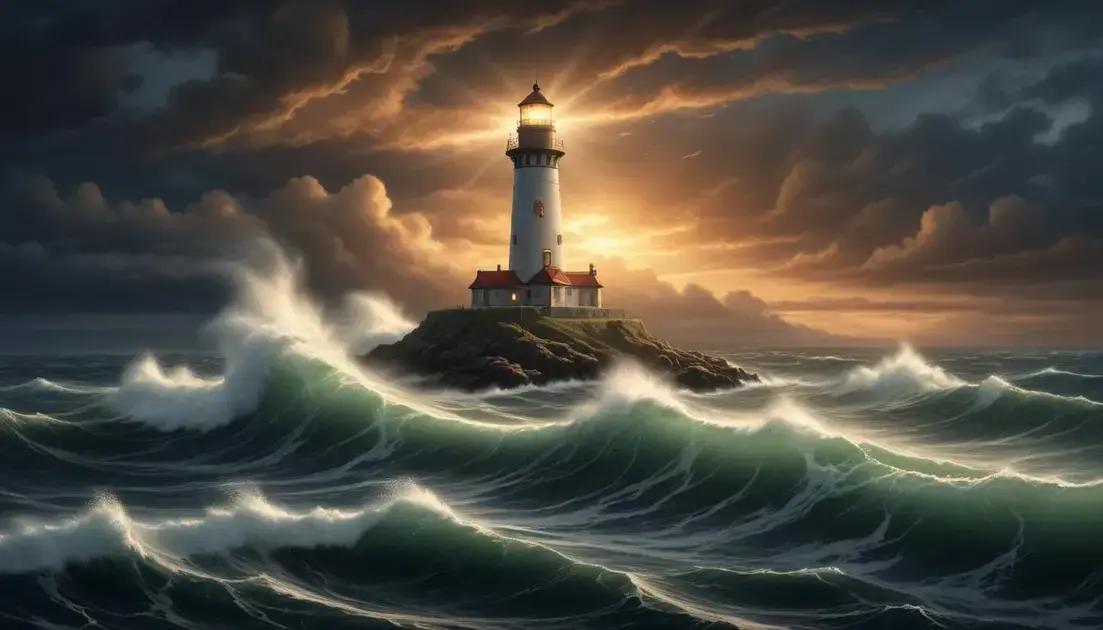
Lighthouse heroes have been guiding sailors through treacherous waters for centuries. Their bravery and dedication ensured the safety of countless ships. Let’s explore the fascinating stories behind these courageous individuals.
The history of lighthouses
The history of lighthouses is fascinating and rich. These tall structures have guided sailors safely for centuries. From ancient times, sailors relied on natural landmarks. But as shipping grew, so did the need for beacons of light.
Early Beacons
In ancient Egypt, the Lighthouse of Alexandria stood tall. It was one of the Seven Wonders of the Ancient World. This lighthouse used a flame to signal ships entering the harbor. Other cultures also created early lighthouses using fires on hills or towers.
The Development of Modern Lighthouses
As time passed, technology improved lighthouses. The use of lenses helped focus the light. This made it much brighter and visible from further away. In the 19th century, many countries built iconic lighthouses. They became symbols of safety and hope for sailors.
Lighthouse Keepers
Lighthouse keepers played a vital role in maritime safety. They lived in or near the lighthouses, ensuring the light stayed on. Their dedication keeps ships safe from rocks and dangerous waters.
The lighthouses we see today are more than just tall towers. They hold stories of bravery, innovation, and protection. Each lighthouse has its unique history that reflects the struggles and triumph of maritime navigation.
Famous lighthouses around the world
Many lighthouses around the world are famous for their beauty and history. These landmarks have become tourist attractions, drawing visitors for their unique designs and stories. Two of the most famous lighthouses are the Cape Hatteras Lighthouse in North Carolina and the Tower of Hercules in Spain.
Cape Hatteras Lighthouse
Standing 210 feet tall, Cape Hatteras is the tallest brick lighthouse in the United States. Its distinctive black and white spiral pattern makes it easily recognizable. This lighthouse has guided countless ships since it was built in 1870. In 1999, it was moved from its original location to protect it from erosion.
Tower of Hercules
The Tower of Hercules is a Roman lighthouse located in Spain. It’s one of the oldest lighthouses still in use today. This 1900-year-old structure stands 180 feet high and is a UNESCO World Heritage Site. Different cultures have used this tower as a guiding light for centuries.
Other Notable Lighthouses
Other famous lighthouses include Eddystone Lighthouse in England, known for its rugged coastline placement, and Lindau Lighthouse in Germany, which sits on Lake Constance. These lighthouses tell stories of the bravery and innovation found in coastal communities.
Visiting these lighthouses can be a memorable experience. Many offer tours, allowing you to climb to the top and enjoy stunning views of the surrounding areas. Their rich histories and scenic locations make them must-see destinations for travelers.
Stories of heroic lighthouse keepers
The stories of heroic lighthouse keepers are truly inspiring. These brave men and women often faced great challenges. Their dedication ensured the safety of countless sailors. Let’s look at some remarkable lighthouse keeper stories.
Grace Darling
One famous keeper is Grace Darling. She worked with her father at the Longstone Lighthouse. In 1838, she saved survivors from a shipwreck during a storm. Her courage and quick thinking made her a national hero in England.
F. S. D. Lighthouses
Another brave keeper was F. S. D. Lighthouses. While his name may not be as well-known, his acts of bravery saved lives. He managed to rescue sailors stranded on rocks in fierce weather, showing incredible strength and determination.
Women Lighthouse Keepers
Many women have served as lighthouse keepers. They broke barriers and played crucial roles in lighthouse history. For example, the first woman keeper in the US was Ida Lewis. She saved several lives as a keeper at Lime Rock Lighthouse in Rhode Island. Her bravery earned her recognition and respect.
Modern Lighthouse Keepers
Today, lighthouse keepers may have different roles. While technology has changed their work, their spirit remains. They are still essential in protecting ships and crews. Many keepers now share their stories through tours and events.
The heroism of lighthouse keepers continues to inspire. Their stories remind us of the importance of courage and service. In every storm, these keepers stood strong, guiding ships safely home.
The technology of modern lighthouses
The technology of modern lighthouses has changed a lot over the years. Today’s lighthouses use advanced tools to keep sailors safe. Modern lighthouses rely on bright LED lights to guide ships. These lights are more efficient and last longer than older bulbs.
Solar Power
Many lighthouses now use solar power instead of traditional energy sources. Solar panels collect sunlight and convert it into electricity. This helps lighthouses operate even in remote areas without access to power lines.
Automated Systems
Modern lighthouses often have automated systems. These systems can operate the lights without human help. Sensors detect light levels. They turn the lights on and off as needed, ensuring they shine brightly at night.
Communication Technology
Communication technology has also improved. Lighthouses now use radio signals to send alerts. These alerts warn ships of dangers like rocks or shallow waters. This technology helps reduce accidents at sea.
Monitoring Systems
Some lighthouses include remote monitoring systems. These systems allow operators to check conditions from afar. They can monitor weather, light status, and battery levels. This means keepers can respond quickly if something goes wrong.
With these innovations, modern lighthouses remain essential for safe navigation at sea. Their technology keeps the age-old mission of saving lives strong while adapting to new challenges.
Conclusion
In conclusion, modern lighthouses blend technology and tradition to keep sailors safe at sea. With the use of LED lights and solar power, these towering structures are more efficient than ever. Automated systems and advanced communication tools ensure that they can operate effectively, even in remote locations.
Lighthouse keepers continue to play an important role, adapting to new technologies while honoring the legacy of their predecessors. The stories of heroic lighthouse keepers remind us of the sacrifices made to protect others. As we look to the future, it’s clear that lighthouses remain essential points of safety and guidance on our waters.