The Louisiana Purchase: The Deal That Doubled America
The Louisiana Purchase, completed in 1803, doubled the size of the United States and significantly impacted its political, economic, and cultural landscape. Key figures such as President Thomas Jefferson, along with diplomats Robert Livingston and James Monroe, negotiated the acquisition. This expansion led to increased farming, trade opportunities, and cultural blending but also caused conflicts with Native American tribes and sparked political debates about slavery and federal authority. Understanding this pivotal event is essential to grasping both America’s growth and its complex history.
Have you ever wondered how the Louisiana Purchase transformed the United States? This iconic deal was more than just a land grab—it was a pivotal moment in American history that changed the nation forever.
The Historical Context of the Louisiana Purchase
The Louisiana Purchase happened in 1803. This was a time when the United States was young and growing. At this point, the U.S. had just finished fighting the Revolutionary War.
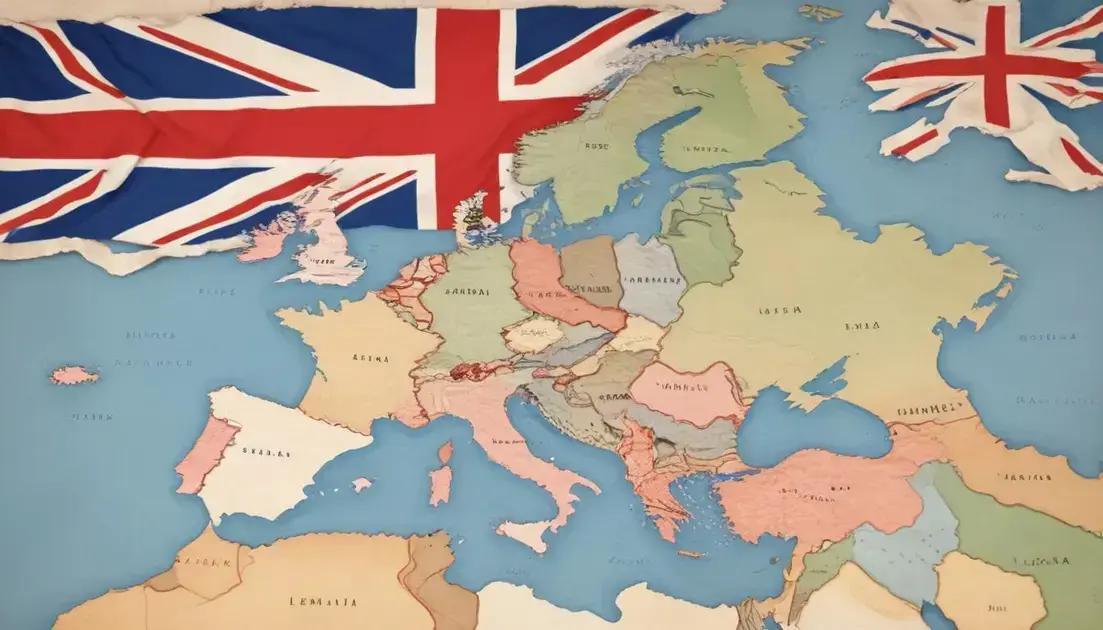
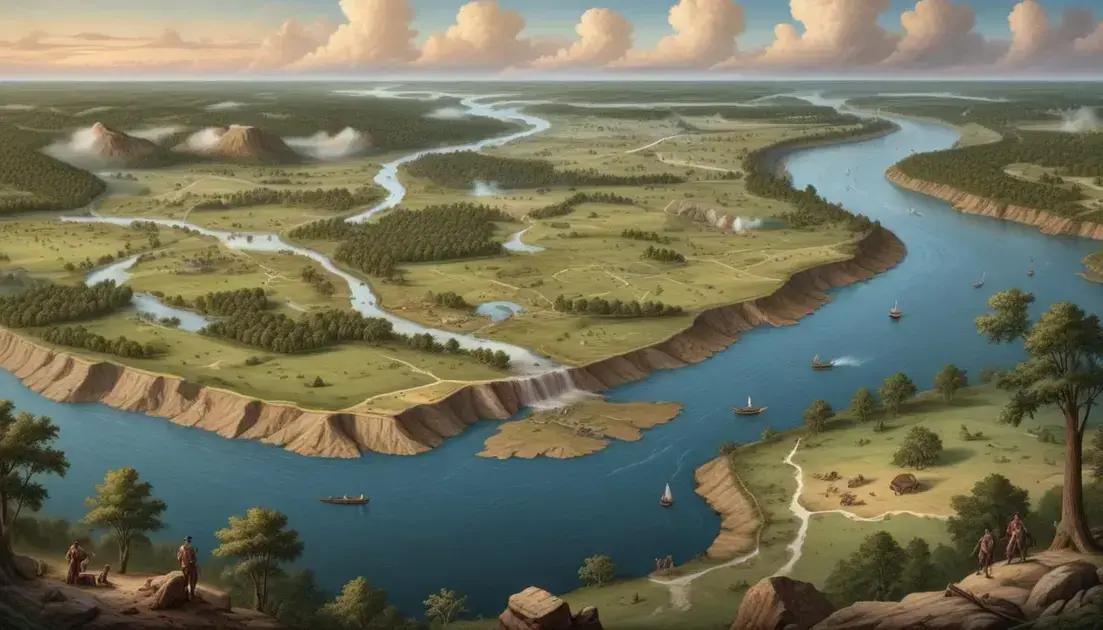
The United States wanted to expand its territory and strengthen its position. France owned a vast area known as Louisiana, which stretched from the Gulf of Mexico to Canada. President Thomas Jefferson saw an opportunity to secure land that could help the nation grow.
In April 1803, Jefferson sent diplomats to France. Their job was to negotiate the purchase of New Orleans and surrounding areas. But surprising news came when French leader Napoleon Bonaparte offered to sell all of Louisiana.
This deal was massive! For $15 million, the U.S. acquired around 828,000 square miles of land. This purchase doubled the size of the country almost overnight!
Many were excited about the purchase. It provided land for farming and settlements. However, it also raised questions among some people. What about the Native American tribes living in those areas? Their rights and lands were often ignored in these discussions.
The Louisiana Purchase was not just a land deal. It was a key moment in history that shaped the future of the United States. This large tract of land set the stage for further expansion westward, leading to significant events in American history later on.
Major Figures Involved
Many important people played a role in the Louisiana Purchase. First, there was President Thomas Jefferson. He was excited about the chance to expand the United States.
Then, we have Robert Livingston and James Monroe. These two men were the diplomats sent to negotiate the deal with France. They worked hard to secure land for the country.
On the French side, Napoleon Bonaparte was a major player. He was the leader of France at the time. Napoleon wanted to sell Louisiana to focus on European matters.
Another important figure was Meriwether Lewis. Jefferson chose him to lead the exploration of the new land. Lewis and his partner, William Clark, mapped out the area after the deal was done.
These figures helped shape the future of America. Their decisions not only changed lands but also influenced how the nation developed in the years to come.
Impact on Native American Communities
The Louisiana Purchase had a huge impact on Native American communities. When the U.S. acquired this land, many Indigenous tribes lived there. For them, the purchase changed everything.
Before the deal, tribes had their own territories and systems. After the purchase, white settlers began to move in. This caused great conflict over land and resources. Many tribes were pushed off their lands.
The U.S. government often made treaties with Native Americans. However, these agreements were not always honored. As settlers moved west, they took away the rights and lands of Indigenous people.
Some tribes tried to resist. They wanted to keep their homes and way of life. Sadly, they faced many struggles. This led to wars and forced removals, like the infamous Trail of Tears.
Today, the impact of the Louisiana Purchase on Native American communities is still felt. Many tribes are working to reclaim their rights and restore their cultures. Understanding this history is important for recognizing their ongoing battles.
Political Ramifications and Reactions
The Louisiana Purchase had significant political ramifications. When news of the deal reached Congress, reactions were mixed. Some politicians celebrated the expansion of the United States.
Others were worried about the impact on the government. They feared that the purchase was too expensive and questioned Jefferson’s authority to make such a large deal. After all, the Constitution didn’t say much about purchasing new land.
The federalists, in particular, were not happy. They thought the purchase would weaken their party. But many Democratic-Republicans praised Jefferson for his vision.
This deal also set a precedent for future land acquisitions. It showed that the U.S. was willing to expand its territory through purchases. This idea influenced later leaders and policies.
The political landscape changed because of the Louisiana Purchase. It fueled debates about states’ rights and the role of federal government. This laid the groundwork for future conflicts, including those related to slavery.
Economic Consequences
The Louisiana Purchase brought major economic consequences for the United States. First, it expanded the nation’s land greatly. With this new land, farmers could grow more crops.
More land also meant more resources. The U.S. gained access to valuable materials like timber and minerals. This helped boost the economy and create jobs.
Trade routes improved after the purchase. The port of New Orleans became very important. It allowed goods to move faster, benefiting merchants and farmers alike.
But not everything was rosy. The acquisition also brought costs. The U.S. government had to manage new territories and provide services to settlers. Building roads and schools became necessary.
Additionally, the purchase increased tensions over slavery. New territories sparked debates about whether they would be free or slave states. This disagreement would lead to future conflicts.
Overall, the Louisiana Purchase set the stage for America’s economic growth while also creating challenges that would affect the nation for years to come.
Cultural Impacts
The Louisiana Purchase also had notable cultural impacts. As settlers moved into the new territory, they brought their customs and traditions. This mix of cultures shaped a unique American identity.
With more land, different groups started to interact. People from various backgrounds, including European immigrants and Native Americans, shared ideas, food, and lifestyles. This helped create a rich tapestry of cultures.
However, the purchase also affected Native American cultures. As settlers arrived, Indigenous ways of life were disrupted. Many tribes faced challenges as their lands and resources dwindled.
Art and literature began to reflect new experiences too. Writers like Mark Twain drew inspiration from the Mississippi River and the landscapes of the new territories. This showcased the spirit of exploration and adventure.
Music and folklore also evolved, blending different influences into what we recognize today. New rhythms and stories emerged as cultures intertwined.
Overall, the Louisiana Purchase was a turning point that influenced America’s cultural development. It set the stage for a diverse society with a mix of traditions that continue to thrive.
Conclusion
In conclusion, the Louisiana Purchase played a crucial role in shaping America. It expanded the country’s territory and transformed its economy, politics, and culture. With this vast new land, the U.S. saw opportunities for growth and development.
However, it wasn’t without challenges. Native American communities faced significant struggles as their lands were taken. Additionally, the political debates sparked by the purchase influenced future policies and conflicts.
Despite the difficulties, the blending of cultures created a rich American identity. The diversity that emerged from this period continues to influence us today. Understanding the impact of the Louisiana Purchase helps us appreciate the complexities of American history and the diverse experiences that define our nation.