The mapmakers who decoded America’s terrain
The future of mapmaking is set to transform how we interact with our environment. With advancements in technology such as GPS and drones, cartographers can create more accurate and real-time maps. Future maps will likely be more interactive and personalized, meeting individual user needs while enhancing navigation and urban planning. Community involvement will also play a vital role in ensuring that maps reflect local experiences and concerns, making them valuable tools for decision-making and environmental awareness.
Have you ever wondered how our mapping of America shaped our understanding of its terrain? Join us as we explore the artistry and secrets behind the maps that reveal the nation’s hidden landscapes.
The Role of Mapmakers in American History
The role of mapmakers in American history is vital. They provided us with a visual guide to understanding our land. Their maps show mountains, rivers, and borders. Every detail helps us understand locations better.
Early Mapmaking
In early America, maps were essential for explorers and settlers. They used maps to find new places and resources. This exploration led to significant discoveries that shaped our nation.
Tools of the Trade
Mapmakers used basic tools like compasses and sextants. These devices helped them measure distances and angles. Even though they didn’t have modern technology, they created accurate maps using careful observation.
Mapping for Navigation
Maps were crucial for navigation. Ships relied on maps to travel safely across oceans. They showed sailors where to go and what to avoid. Mapping made trade and communication easier between regions.
Influence on Land Claims
Maps influenced land claims and treaties. They defined where boundaries were and who owned different areas. These documents played a big role in conflicts and agreements between nations.
Preserving History
Today, these maps are historical treasures. They tell stories about the past. Each map reflects the learning and culture of its time. Keeping them alive helps us connect with our roots.
Uncovering Hidden Landscapes
Uncovering hidden landscapes is exciting for both mapmakers and explorers. These landscapes tell us more about our country’s past. They reveal secrets of nature and human impact on the land.
The Importance of Exploration
Exploration leads to discoveries about geography. For early Americans, understanding these areas was crucial for survival. Knowing where to find water, food, and shelter made a big difference.
Mapping the Unknown
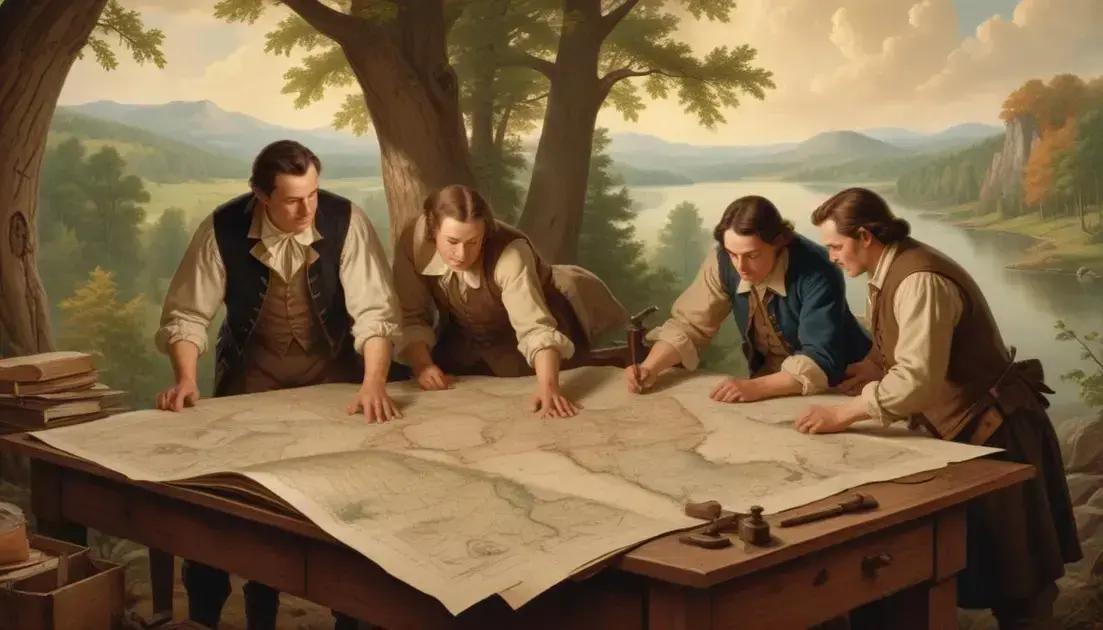
Mapmakers worked hard to document unknown lands. They traveled through mountains, forests, and rivers. Their maps helped others navigate through these tough terrains.
Natural Wonders
Hidden landscapes include stunning natural wonders. Think of valleys, canyons, and waterfalls. Each offers unique beauty and resources. These areas attract visitors and researchers alike.
Environmental Changes
As cities grow, many hidden landscapes are at risk. Urban development often alters or destroys these natural spots. It’s important to protect these environments for future generations.
Preserving History Through Maps
Maps are not just for navigation. They help us preserve stories of hidden landscapes. By studying old maps, we can learn how these areas have changed over time.
The Artistry of Cartography
The artistry of cartography is both beautiful and practical. Cartographers create maps that help us understand our world. Their work combines art, science, and creativity.
Understanding Cartographers
Cartographers are skilled professionals. They gather data about land, water, and cities. Then, they translate this information into visual maps. This process requires both talent and knowledge.
Map Design
Designing a map isn’t just about drawing lines. It’s about telling a story. Colors, symbols, and scale all play a role. Each choice affects how people interpret the map.
The Role of Technology
Today, technology enhances mapmaking. Software tools make it easier to create detailed maps. However, the core art of cartography remains, building on traditional methods.
Historic Maps
Many historic maps are stunning art pieces. They show how people viewed their world. These maps often included illustrations of landscapes and animals, making them treasures.
Modern Applications
Cartography is crucial in many fields today. Urban planning, environmental studies, and even game design rely on accurate and appealing maps. The artistry of cartography continues to evolve, meeting new challenges.
Impact of Mapping on Society
The impact of mapping on society is significant. Maps inform decisions, shape borders, and guide communities. They help us understand where we live and how to get around.
Supporting Navigation
Mapping is essential for navigation. People use maps to find their way in cities and nature. This makes travel safer and easier for everyone.
Urban Planning
Mapmakers play a key role in urban planning. They create maps that help city planners design neighborhoods. This ensures that parks, schools, and roads are well placed.
Environmental Awareness
Mapping helps raise awareness about environmental issues. It shows where resources are and where there may be problems. By highlighting these areas, maps encourage action and help protect the environment.
Cultural Understanding
Maps also promote cultural understanding. They show different regions and their unique characteristics. This helps people appreciate diversity and learn from one another.
Historical Context
Maps provide historical context for societies. They tell stories about how places have changed over time. This understanding can help us avoid past mistakes.
Future of Mapmaking
The future of mapmaking is bright and full of possibilities. Technology will play a major role in how we create and use maps. With advanced tools, maps can become even more interactive and detailed.
Technological Advances
New technologies like GPS and drones are changing the mapping landscape. They allow cartographers to gather data more accurately and quickly. This means maps can be updated in real-time.
Interactive Maps
Future maps may become more interactive. Users could zoom in and explore areas in detail. This makes maps not just tools but engaging experiences.
Environmental Mapping
As awareness of climate change grows, environmental mapping will become essential. Maps can show changes in ecosystems, helping us understand impacts better. This will aid conservation efforts.
Personalized Mapping
Imagine maps tailored to individual needs! With advances in AI, maps could suggest routes based on user preferences. This could enhance travel experiences and daily commutes.
The Role of Community
Community involvement will shape the future of mapmaking. Locals can provide insights and data to improve maps. This can create more accurate and useful resources for everyone.
Conclusion
In conclusion, the future of mapmaking holds exciting possibilities for everyone. With technology advancing, maps will become more interactive and personalized. This will help us understand our world better and make informed choices.
New tools like GPS and drones will enhance accuracy and detail in maps. Additionally, community involvement will ensure maps reflect true experiences and needs. As we embrace these changes, mapping will continue to play a crucial role in our lives. It’s important to stay curious and engaged with the maps that guide us everyday.