The microprocessor: the American invention that powers civilization
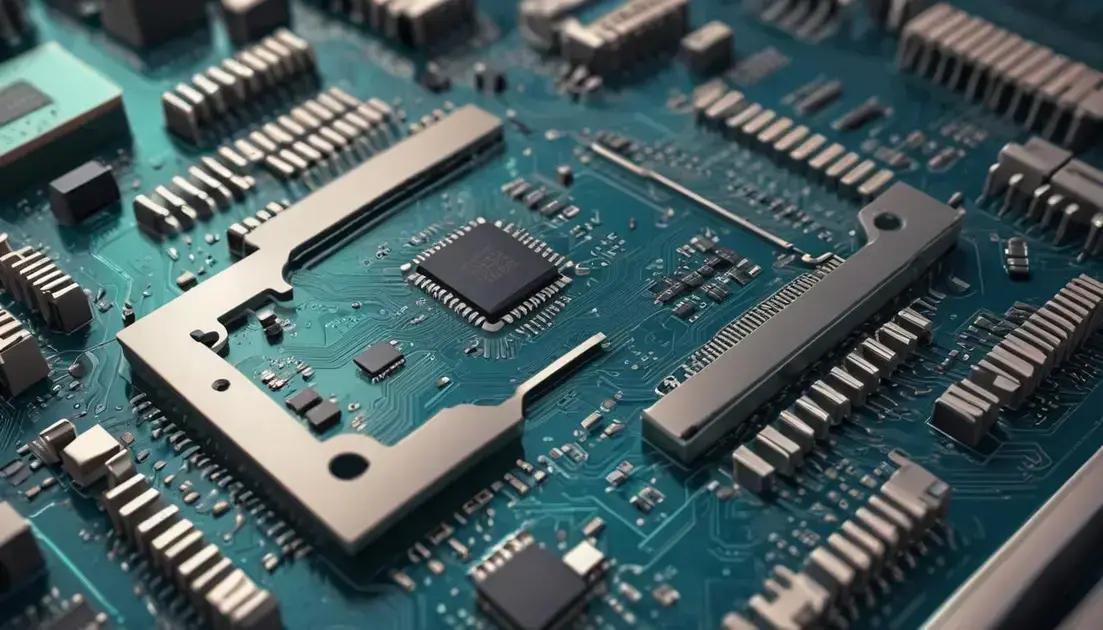
The microprocessor is a small yet powerful chip that revolutionizes modern technology by powering devices such as smartphones and cars. Its evolution, from the first Intel 4004 in the early 1970s to current innovations, underscores its crucial role in enhancing device performance and efficiency. Future developments promise even faster, smarter, and more energy-efficient microprocessors, driven by trends like artificial intelligence integration and miniaturization. This significant advancement fuels growth in various industries, making technology more accessible and interconnected.
Microprocessor technology has revolutionized our world, powering everything from our computers to the cars we drive. How did this tiny chip come to have such a massive impact? Let’s dive into its story!
What is a Microprocessor?
A microprocessor is the heart of a computer. It processes information and controls tasks. Think of it as the brain that makes everything work. Without a microprocessor, your computer literally can’t do anything.
These tiny chips are packed with millions of tiny parts called transistors. These transistors help in performing calculations, running programs, and managing system functions. They make your device smart!
Microprocessors can be found in all sorts of devices, not just computers. You’ll find them in smartphones, cars, and even home appliances. This means they are everywhere in our daily lives.
The first microprocessor was created in the early 1970s. It was called the Intel 4004. Even though it was simple compared to what we have today, it opened the door to the digital age.
Today’s microprocessors are much more powerful. They can handle complicated tasks and run multiple programs at once. This performance is what makes modern technology so advanced.
History of the Microprocessor
The history of the microprocessor is quite fascinating. It all started in the early 1970s. The first microprocessor was the Intel 4004. It was born out of a need for smaller and faster computing.
This tiny chip was revolutionary. Before microprocessors, computers were huge, expensive, and difficult to use. The 4004 changed that by putting the brain of a computer on one small chip.
In 1972, the Intel 8008 followed. It was better and more powerful than its predecessor. This was just the beginning of a rapid evolution in computing technology.
Throughout the late 1970s and 1980s, companies began developing faster microprocessors. Intel released the 8086, which helped power the first personal computers.
By the 1990s, microprocessors had really advanced. They became faster, cheaper, and more efficient. Companies like AMD entered the market, giving consumers more choices.
Today, microprocessors can handle complex tasks, thanks to millions of tiny transistors. They’re in everything from smartphones to cars, making life easier and more connected.
Impact on Modern Technology
The impact of the microprocessor on modern technology is huge. It has changed how we live, work, and connect. Today, our devices are smaller, faster, and smarter because of microprocessors.
Every smartphone you use has a microprocessor inside. This tiny chip allows your phone to run apps, play games, and access the internet. Without it, your smartphone would not exist.
Microprocessors are also in cars. They control everything from engine performance to safety features. Cars today are equipped with advanced technology that relies on microprocessors to function properly.
In healthcare, microprocessors help run medical equipment. They monitor patients and assist in surgeries. This technology saves lives and improves care.
Even in homes, microprocessors play a big role. They are in smart devices like thermostats, lights, and security systems. These devices connect to the internet, allowing you to control them with your phone.
The future of technology will continue to rely on microprocessors. As they evolve, they’ll enhance our lives further and open new possibilities. This tiny chip is truly at the heart of modern innovation.
Future Developments in Microprocessors
The future developments in microprocessors look very exciting. Technology keeps advancing, and microprocessors will play a big role in that. We can expect them to become even faster and more efficient.
One trend is smaller chip sizes. This means more transistors can fit on a single microprocessor. More transistors mean more power and speed without using more energy.
Another area of growth is artificial intelligence. Microprocessors will become better at handling tasks like machine learning. This could lead to smarter devices that learn from our behavior.
We’re also seeing a rise in integration. Future microprocessors might combine different functions into a single chip. This can reduce costs and save space in devices.
Moreover, energy efficiency is key. Microprocessors will be designed to use less power while delivering high performance. This is important, especially as we focus more on green technology.
Lastly, quantum computing is on the horizon. While it’s still in early stages, microprocessors in this field could perform calculations much faster than today’s chips. This could open doors to new technology.
Conclusion
In conclusion, the microprocessor has greatly transformed our lives and continues to shape the future. From smartphones to cars, this tiny chip is at the heart of it all. As technology advances, microprocessors will become faster, more efficient, and smarter.
We can expect exciting developments in areas like artificial intelligence and energy efficiency. These changes will not only enhance our devices but also make our lives easier and more convenient. Keeping an eye on these trends is important, as they promise to take technology to new heights.
Ultimately, the journey of microprocessors reflects our growing love for innovation. They help us connect, learn, and explore new possibilities. Embracing these changes means being part of a future full of potential.