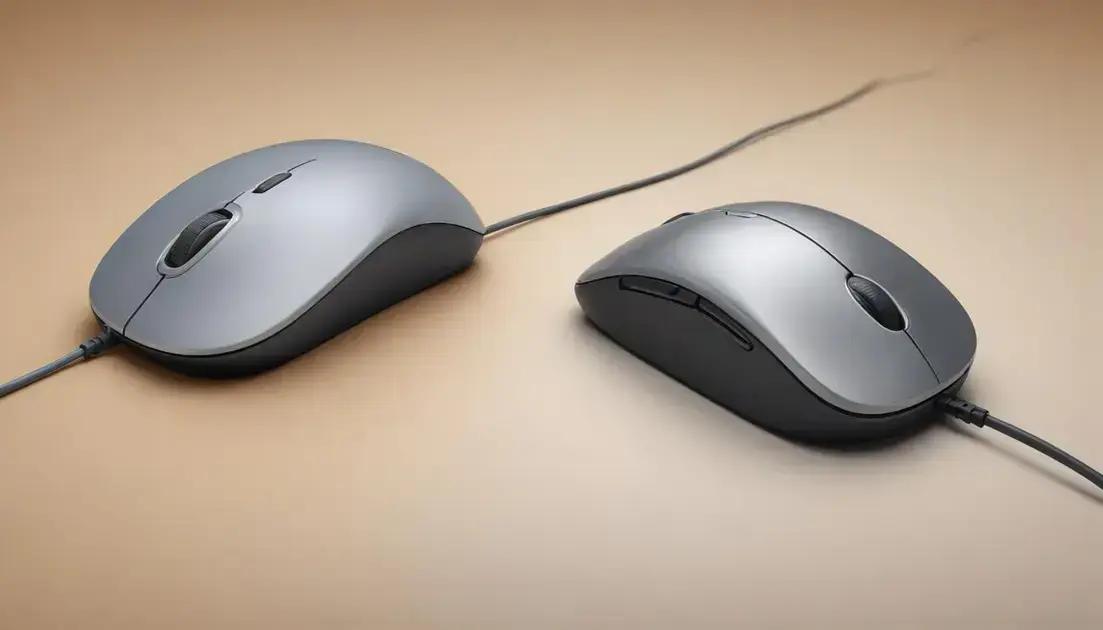
The mouse: America’s breakthrough in human-computer interaction
The mouse has transformed human-computer interaction since its invention, making technology user-friendly and accessible. Initially launched in the 1960s, it evolved from a simple two-button device to essential for everyday tasks. Innovations like voice recognition and gesture control are paving the way for the future of technology, allowing for even more intuitive interactions. Ultimately, the mouse and its developments significantly enhance how we engage with computers today.
Mouse technology has drastically transformed our interaction with computers. From its invention to current innovations, let’s dive into how this small device reshaped our digital experience!
The origin of the mouse
The origin of the mouse dates back to the 1960s. Invented by Douglas Engelbart, it was a small wooden block with two metal wheels. These wheels allowed users to control a computer’s cursor on a screen. At that time, it was a groundbreaking idea. Engelbart wanted to make computers more user-friendly. His invention aimed to enhance human-computer interaction.
Initially, the mouse was not well-known. It was mainly used by researchers and computer scientists. However, this changed when the invention of the graphical user interface (GUI) made computers easier to use for everyday people. The mouse quickly became essential for navigating GUIs.
In the 1980s, companies like Apple began to include the mouse with their computers. This helped spread its popularity even more. The mouse evolved, changing from a wooden model to plastic designs. It became more comfortable and easier to use.
Today, there are many types of mice available. Some connect via USB, while others use Bluetooth. There are even mice designed specifically for gaming or ergonomic use. Each development has aimed to improve how we interact with our computers.
How the mouse revolutionized computing
The mouse has truly revolutionized computing since its introduction. Before the mouse, computers were operated using complex command lines. This made them hard to use for many people. The mouse changed that by providing a simple way to interact with the screen.
With a mouse, users could point, click, and drag. This made navigating computer programs much easier. People could open files, select text, and access menus with just a few movements. This change encouraged more people to use computers.
The introduction of the mouse also led to the development of graphical user interfaces (GUIs). GUIs made computing more visual and intuitive. That meant more images, icons, and colorful layouts. Users found it much easier to understand what they were doing.
Over time, the mouse has continued to evolve. Optical mice replaced the old ball mice, improving tracking on different surfaces. Today, we have wireless mice that offer freedom from cables. Some even have extra features for gamers.
The mouse opened doors for creative work, gaming, and business applications. Its role in making computers accessible cannot be overstated. It changed how we think about technology and our relationship with it.
The mouse’s impact on user experience
The mouse’s impact on user experience has been huge. It made computers easier to use for everyone. Before the mouse, interacting with a computer was less intuitive. People had to remember commands and type them out. This was not user-friendly.
With the mouse, users can simply point and click. This design shift has allowed many people to embrace technology. Now, finding information and using software programs feels natural and fun. It really changed how people interacted with digital content.
The mouse also helps with precision tasks. Whether it’s editing images, browsing the web, or playing games, the mouse allows for accurate control. This is important for many applications that require attention to detail.
Moreover, the mouse has led to more creative uses of technology. Artists and designers use the mouse to create stunning visuals. The ease of dragging and dropping has made their work flow smoother.
Companies understand the importance of a good user experience. And this is partly due to the mouse. Designers consider how users interact with technology in all their products. A positive experience keeps people coming back to the device.
Future innovations in human-computer interaction
Future innovations in human-computer interaction promise to enhance the way we use technology. We’re moving towards more intuitive interfaces. For instance, voice recognition is becoming more common. This technology allows users to control devices with their voice. It’s easier and faster than typing or clicking.
Another exciting area is gesture control. Imagine using hand movements instead of a mouse! This technology is already in use with some gaming systems. Soon, we may see gesture control in everyday devices.
Augmented reality (AR) and virtual reality (VR) are also changing the game. These technologies create immersive experiences. Users can interact with digital objects in their real world. This could make learning and working more engaging.
Artificial intelligence (AI) is playing a big role, too. AI-powered systems can learn from us. They can predict what we need and suggest actions. This makes using technology much smoother.
As devices become smarter, collaboration will improve. We’ll see more seamless transitions between devices. For example, picking up a task on your phone and finishing it on your computer will be easier.
Conclusion
In conclusion, the evolution of the mouse has significantly changed how we interact with computers. From its early wooden design to today’s advanced versions, it has made technology accessible and user-friendly. The mouse opened new possibilities for creativity, gaming, and productivity.
Looking ahead, future innovations in human-computer interaction promise to enhance our experience even more. With advancements like voice recognition, gesture control, and AI, we can expect smarter and more intuitive devices. These changes will help us use technology in ways we never thought possible.
Ultimately, understanding the impact of the mouse and the trends in technology is vital. By embracing these advancements, we can make our interactions with computers even better. Stay curious and open to new technologies, as they will continue to shape our world.