The Navajo Code Talkers: heroes who saved WWII
The Navajo Code Talkers played a pivotal role in World War II by using their unique language to create an unbreakable code for secure military communications. Their contributions helped the U.S. military achieve key victories and ensured the safety of important messages during crucial battles. Today, they are recognized as heroes, with their legacy honored through medals and educational initiatives, highlighting the importance of their cultural impact and valor in American history.
Navajo Code Talkers were unsung heroes of World War II, crafting an unbreakable code that played a pivotal role in the Pacific theater. Curious to learn more about their incredible story?
The Unbreakable Code
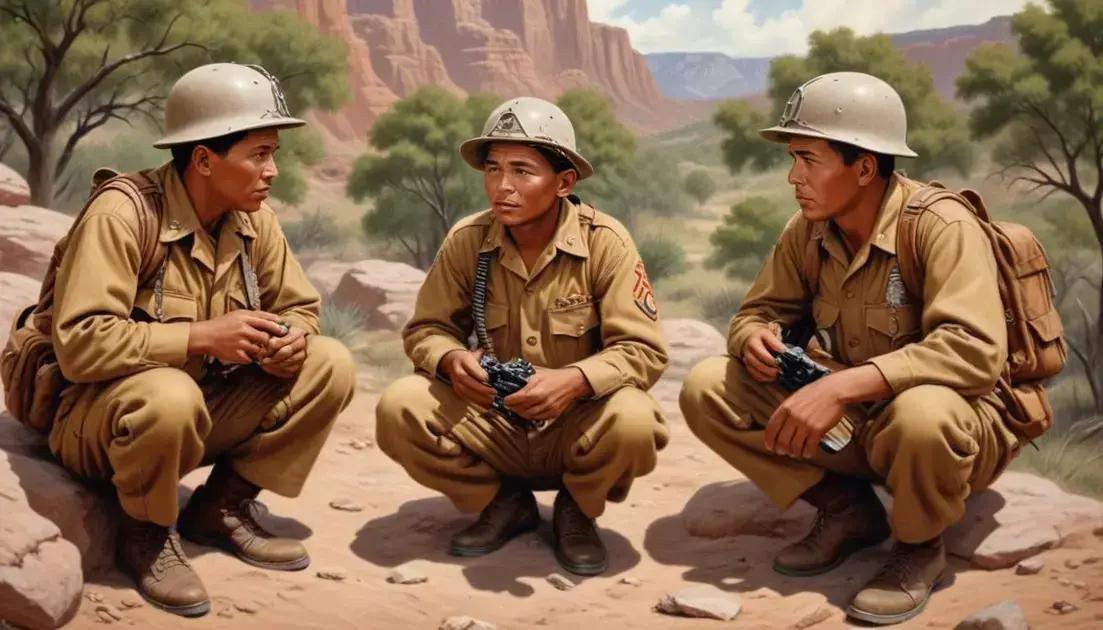
The Navajo Code Talkers used their native language to create a unique code during World War II. This code was nearly impossible for enemies to break. It played a key role in several crucial battles. Not only did it keep American communications safe, but it also helped ensure victory in battle.
How the Code Worked
The code wasn’t just a direct translation of English to Navajo. Instead, it used Navajo words to describe military terms. For example, the word for “tortoise” represented a tank. This clever method made it hard for enemies to understand.
Training and Communication
Code Talkers trained together to ensure they communicated clearly under pressure. They practiced every day, honing their skills. When messages needed to be sent, they worked quickly and efficiently, sending information that was vital for victory.
The Impact of Their Work
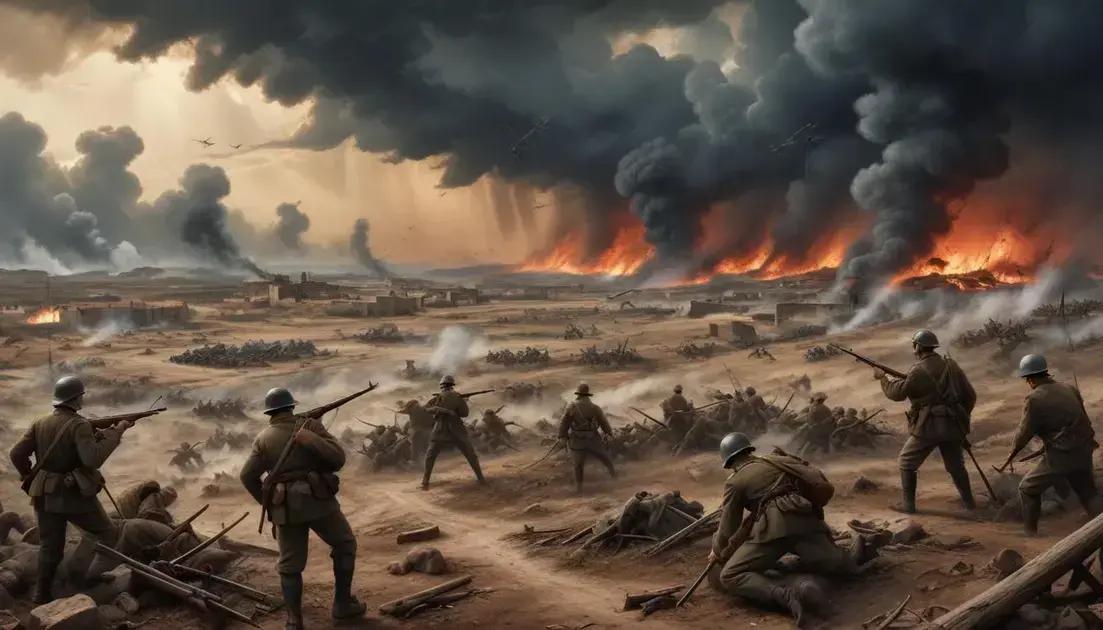
The success of the Navajo Code Talkers changed the tide of war. Their efforts helped American forces win key victories. Because of their unique code, they made a big difference and showcased the importance of Native American contributions to history. Today, we remember and honor their heroism.
The Role in WWII
The Navajo Code Talkers played a crucial role in World War II. They helped the U.S. military send messages securely. Their unique code was vital on the battlefield. It ensured that enemies couldn’t understand important communications.
Key Battles and Operations
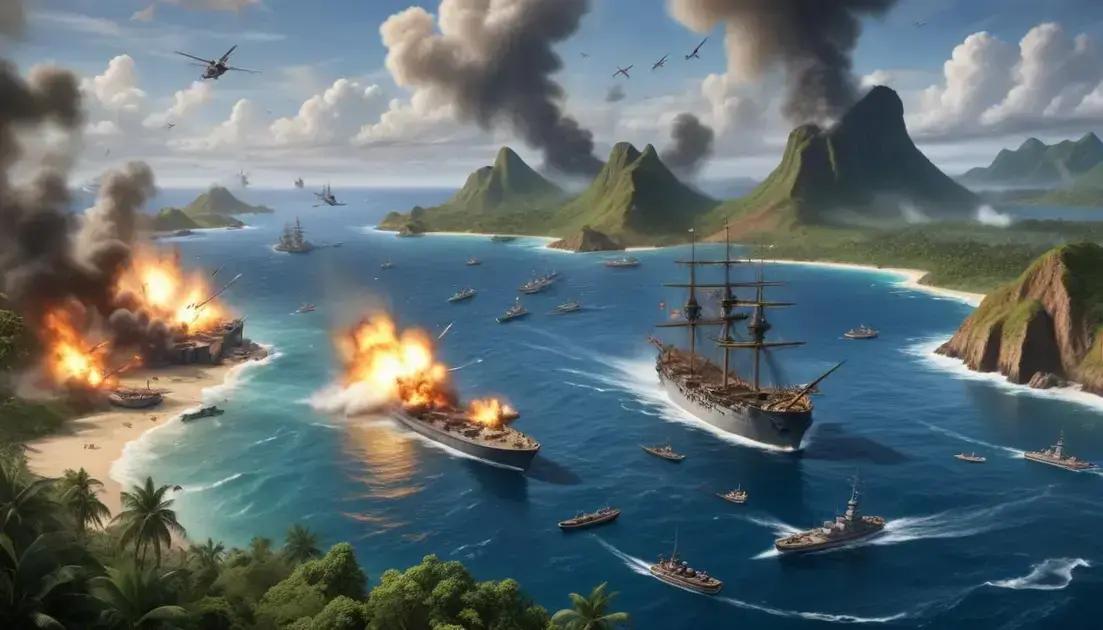
Throughout the war, Code Talkers contributed to major battles. They worked during the Battle of Iwo Jima and many others. Their language skills were essential in these intense moments.
Swift Communication
Code Talkers could send messages in minutes. This speed made a big difference. Quick communication helped troops work together effectively. Often, their messages were delivered faster than the enemy could act.
A Valuable Asset
The Navajo Code Talkers proved to be a valuable asset. They were not just soldiers but also crucial for strategy. Generals relied on their skills to gain an advantage. In a time of war, every second counts, and they delivered.
Legacy and Recognition
The legacy of the Navajo Code Talkers is profound and far-reaching. After World War II, their contributions were not widely recognized. It took many years for their stories to be told. Today, they are celebrated as heroes.
Honoring Their Service
In recent years, there have been many efforts to honor their service. The U.S. government awarded them medals for their bravery. They received the Congressional Gold Medal in 2000, a significant recognition of their work.
Educational and Cultural Impact
Their story has become an important part of American history. Schools teach about the role of Code Talkers in the war. Their contributions highlight the importance of Native American culture and languages.
Commemorative Events
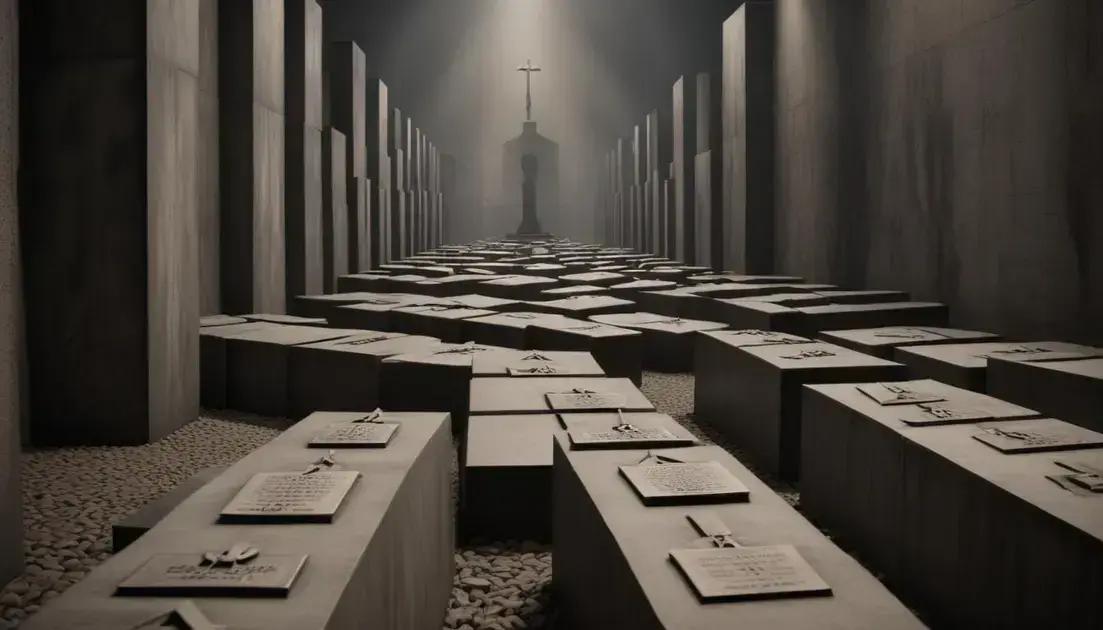
Various events celebrate their legacy. Tributes and memorials are held to remember their heroism. These events not only honor the Code Talkers but also educate younger generations.
Conclusion
In conclusion, the legacy of the Navajo Code Talkers is vital to understanding our history. Their unique language and skills were key during World War II. By recognizing their contribution, we honor their bravery and the cultures they represent.
Today, we celebrate their achievements and ensure that future generations learn from their story. It’s important to continue sharing their legacy. By doing so, we appreciate the sacrifices they made for our freedom and the strength of Native American cultures.